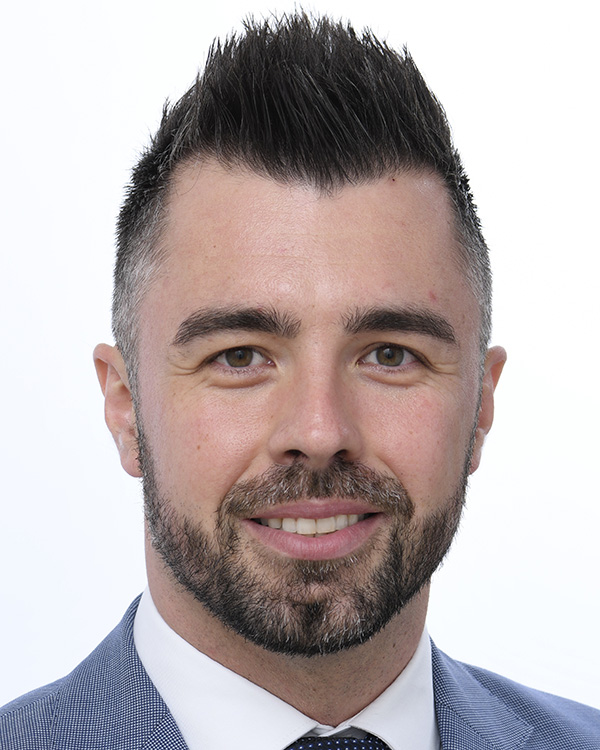
 Debate contributions by András Tivadar KULJA
| Rank | Name | Country | Group | Speeches | |
|---|---|---|---|---|---|
| 1 |

|
Lukas SIEPER | Germany DE | Non-attached Members (NI) | 321 |
| 2 |
|
Juan Fernando LÓPEZ AGUILAR | Spain ES | Progressive Alliance of Socialists and Democrats (S&D) | 280 |
| 3 |
|
Sebastian TYNKKYNEN | Finland FI | European Conservatives and Reformists (ECR) | 247 |
| 4 |
|
João OLIVEIRA | Portugal PT | The Left in the European Parliament (GUE/NGL) | 195 |
| 5 |
|
Vytenis Povilas ANDRIUKAITIS | Lithuania LT | Progressive Alliance of Socialists and Democrats (S&D) | 183 |
All Contributions (41)
 Framework for strengthening the availability and security of supply of critical medicinal products as well as the availability of, and accessibility of, medicinal products of common interest (debate)
Date:
19.01.2026 17:56
| Language: HU
Madam President, I'm sorry. Tomorrow we will vote on a proposal that affects the health of millions of people in Europe. Millions of lives depend on access to their vital medicines every day, while drug shortages are on the rise. The European Union's new proposal on critical medicines is a step that can save the lives of many Europeans. This new regulation could help millions of people access the medicines they need. The aim is to help citizens, to provide them with care and to protect smaller Member States so that they do not suffer from disadvantages vis-à-vis larger Member States. Geopolitical changes in recent years have shown that Europe cannot remain vulnerable in this area. That is why we, together with the Commission, have developed a new regulation on critical medicines that will help Europe and help European patients. It strengthens pharmaceutical production in Europe so that people can safely access their medicines and reduce vulnerability. It ensures equitable care and gives Member States the tools to cooperate, because at the end of the day, the only thing that really matters is: whether European patients have access to the medicines they need.
Presentation of the EU Cardiovascular Health Plan (debate)
Date:
16.12.2025 16:36
| Language: HU
Thank you very much for the question, and yes, it is very important to involve both the profession and patients when it comes to such a comprehensive action plan. I understand that significant steps have been taken and consultations have been held with both medical and patient organisations, and I believe that we, the European Parliament, have a huge role to play in ensuring that the views and knowledge of both patients and medical and nursing organisations are truly reflected in this plan, because only together can we set up a working and sustainable plan.
Presentation of the EU Cardiovascular Health Plan (debate)
Date:
16.12.2025 16:34
| Language: HU
No text available
Impact of the geopolitical situation on European patients and their access to medicines (debate)
Date:
15.12.2025 20:30
| Language: HU
Mr. President, please. In recent years, we have all experienced that the world is changing rapidly and unpredictably. The pandemic and geopolitical tensions have clearly shown that Europe is too often dependent on distant countries for medicines and pharmaceutical raw materials. The safety of hospital care, insulin for diabetics, daily medications for heart patients or inhalers for children with asthma are vital issues for every family. We have also seen in Hungary the uncertainty caused when there was a shortage of medicines for children with asthma or for heart patients. We are talking about lives, about the lives of European citizens, so our responsibility is clear: we need to strengthen the safe production of medicines in Europe, to stabilise the supply chain and to cooperate on a solidarity-based basis between Member States in the supply of medicines. I am pleased to report that today we have taken a big step in this direction. In the Public Health Commission, all political party families today supported the draft Critical Medicines Act. The aim is to ensure affordable, timely and safe access to medicines for all European patients. Health is not a geopolitical issue.
Chemicals (joint debate)
Date:
20.10.2025 16:14
| Language: HU
Mr. President, please. Chemicals surround us, without them we would have no phones, no buildings, no colorful clothes. Some of them we know are safe, others we know are dangerous. However, there are a lot of things that we don't know exactly how they affect our bodies. To protect people in Europe and children in Europe, we need up-to-date and science-based data on the risks posed by chemicals. The Tsiodras reports clearly show that Europe needs up-to-date, reliable, publicly available data to assess the risks of chemicals. Strengthening the role of the European Chemicals Agency and effectively redistributing scientific tasks are key to basing our decisions on evidence rather than on storytelling or momentary lobbying interests. This approach is on the side of innovation, health and safety. Such a system has the potential to put the interests of the European people first and to encourage the chemical industry to look for and apply safe alternatives. It is clear to the Tisza Party: transparency, professional development and the protection of citizens' health are non-negotiable. We need a direction that puts knowledge, responsibility and security first, while maintaining Europe's competitiveness.
World Mental Health Day - addressing the socio-economic factors (debate)
Date:
09.10.2025 08:58
| Language: HU
Dear Mr President, Mental health affects not only ourselves, but society as a whole. For young people, the situation has become critical. In recent years, the number of young people who consider themselves lonely has quadrupled, many of whom are anxious every day, as my fellow Members who have spoken earlier have said. Suicide rates have also increased dramatically. However, I would like to mention those that society often forgets. Children living in children's homes, with tens of thousands without families, would be the last chance to get help to deal with the terrible traumas they have experienced, and yet we see that they are often abandoned by society, let down by governments. That is why I think it is very important to launch the Year of Mental Health in the EU, as part of which we are developing an EU mental health strategy to help our citizens and the most vulnerable in our society.
Intergenerational fairness in Europe on the occasion of the International Day of Older Persons (debate)
Date:
06.10.2025 17:24
| Language: HU
Dear Commissioner, October 1 is World Older Persons Day. This day reminds us that we can only speak authentically about the future if we turn with respect and responsibility to those who have laid the foundations for the present: towards the elderly. They are the pillars of Europe and my country, Hungary, the guardians of knowledge, experience and community values. More than 95 million people over the age of 65 live in the European Union. Many of them are in financial uncertainty. The value of pensions varies from one Member State to another. In Austria, for example, the average pension is close to 740,000 forints, while in Hungary the average pension is just over 230,000 forints. Moreover, 400,000 people live on a pension of less than HUF 150,000 per month, which amounts to EUR 385. The situation is even worse for women across Europe, and in Hungary women receive significantly fewer pensions, who often take care of their family members even in old age. This is not just a social issue; it is also a question of fairness and social justice. And Europe must stand up for older people, set an example, and the TISZA government will do the same from 2026, putting the respect of pensioners at the heart of government work. We will increase pensions and introduce a 200,000 HUF SZÉP card to help pensioners invest in food, medicine and health care, and set an example in Europe. Just like we're going to increase the number of nursing homes by 20,000. Europe must set an example for the world. A person who has worked for a lifetime cannot live in uncertainty. We need not aid, but security, not alms, but respect for pensioners.
European strategy for addressing Alzheimer’s and other types of dementia (debate)
Date:
11.09.2025 13:24
| Language: EN
Mr President, dear Commissioner, dear colleagues, my grandmother lived with Alzheimer's disease. At first, the signs were almost invisible: a little more sensitivity, tears over small things. But the illness advanced, slowly but relentlessly. Even as a doctor, I can say that nothing could truly prepare me to watch the person I had loved since childhood slowly fade away. After a while, she no longer knew my name, but at times her smile and the way she held my hand reminded me that she was still there. Those moments were both precious and painful. This is not just my story. Today, 7 million Europeans live with dementia, and by 2050 that number will double. That means 14 million families will face this challenge. Dementia not only strikes individuals – it reshapes entire families. When a parent or grandparent loses cognitive abilities, children must take on daily care. Families give up jobs, face financial strain and too often collapse under the emotional and economic weight while they're trying to fill the gap between healthcare and social care systems. This is not sustainable. Demographics are against us, which is why Europe must act together. We need a strong European strategy on dementia. Supporting research and ensuring equal access to innovative treatments across Member States. Investing in social institutions, housing and rehabilitation so that people can live with safety and dignity. Preparing our healthcare systems for early detection, integrated care pathways and family support, and strengthening health literacy and tackling stigma. If we defend dignity, health and brain capital, we defend our European values.
Summer of heatwaves in the EU: addressing the causes and providing adequate housing and health policies to address record-breaking temperatures (debate)
Date:
11.09.2025 08:07
| Language: HU
Dear fellow Member, You've said some very nice things here, but you're masking reality. According to all public data, Hungary's housing stock is one of the worst in the European Union in terms of energy efficiency and health. Hospitals are in worse shape. This is because they wasted money on the GINOP, KEHOP, TOP programmes in 2014, 2020 and now people are paying the price. Why do Hungarians have to pay for this while spending billions on stadiums?
Summer of heatwaves in the EU: addressing the causes and providing adequate housing and health policies to address record-breaking temperatures (debate)
Date:
11.09.2025 07:40
| Language: HU
Dear Mr President, Dear Commissioner, Like geopolitics, Europe's climate has changed. The difference is that while it has changed over the last few decades, it has changed over the last few millennia. That's not what we're seeing right now. Thirty years ago, Europe's climate was predictable, and now there are heatwaves and sudden coolings. This not only destroys the economy and agriculture, but also affects people's lives. In 2022 alone, more than 60,000 people died from heatwaves. The human body, especially the elderly and the sick, is not prepared for these changes. Therefore, as the Commission emphasises, we need to address both causes and consequences. In addition to climate protection, housing and health policies should also include protection against heatwaves. We need to tackle housing and climate change together. In addition to affordable rental housing programmes, specific EU funds should be provided for the comprehensive preparation of residential buildings, social institutions and hospitals. Heatwave protocols should be introduced in health and social institutions and climate change should be promoted, on which the lives of patients may depend. But we know: What cools outside produces heat outside. The microclimate in cities will thus become even hotter, and alternative passive solutions, such as the use of lighter colours for buildings and roofs, which alone can significantly reduce temperature and energy use, should therefore be promoted. There is not one perfect solution, but together we can find the best solution.
Endometriosis: Europe’s wake-up call on the gender health gap (debate)
Date:
10.07.2025 13:05
| Language: HU
Dear Mr President, Dear Commission, Endometriosis affects one in ten women. Hundreds of thousands of women suffer in Hungary and millions in other member states of the European Union. A disease that is a serious blind spot in health policy. Endometriosis is not just painful menstruation. Reality is much more alarming. Endometriosis means that uterine tissue appears in the abdominal cavity or other points in the body, which menstruates in the same way as the uterus. In doing so, it causes tremendous pain to those affected and, in the long run, severe damage to their bodies. It often takes six to eight years for the diagnosis to be made, while those affected are constantly living with the knowledge that the pain is returning from month to month. It hinders the education of thousands of young girls because they are absent from school. Adult women's equal employment and sex life are ruined by the disease. It also causes daily anxiety for those who want to have a family or a child, as late recognition means infertility, serious damage to other organs in the long run, while therapeutic options are scarce, often involving surgery. Several Member States of the European Union have recognised the importance of acting at the right time. Yet we see that some are only verbally active. The Hungarian government has repeatedly promised to help those affected, but has not provided any real support other than tax relief. And, as in many other Member States of Europe, we lack early detection education and screening programmes, access to modern diagnostics, and in many cases it takes years for patients to reach the right doctor. This can lead to serious social inequality. A true family-centric policy is based on the promotion of women's health. And the European Union has a duty to stand up for the women concerned and to help them with early detection and access to care, so that they have equal opportunities in life in whatever Member State they live in.
Improving mental health at work (debate)
Date:
21.05.2025 20:21
| Language: HU
Mr. President, please. In Parliament, we closed our two-day Mental Health Conference yesterday, with 30 experts and over 300 participants. We focused on the mental health of young people, women and vulnerable people affected by the war. The psychological effects of the environment and working conditions have also been affected. This plenary session is about mental health at work, and if we are talking about this topic, we should be one of the first to mention workers in the health and social sectors. According to a publication by the European Commission, during the COVID-19 outbreak, nearly half of healthcare workers suffered from post-traumatic stress and nearly a third showed symptoms of depression. We are talking about very serious things, because after the end of the epidemic the situation has not improved. More than 1 million healthcare workers are missing in Europe, more than a third of doctors are over the age of 55, while many people leave this profession every day due to mental exhaustion, and those who remain are under increasing mental strain. That is why I believe it is important that Parliament, in its report on the shortage of health workers, prioritises the protection of the mental well-being of social and health workers. By listening to them and involving them, we need to find EU and national solutions together, because it is our duty to take care of those who care for others.
EU action on treating and preventing diseases such as cancer, cardiovascular neurological diseases and measles (debate)
Date:
08.05.2025 13:36
| Language: EN
Madam President, dear Commissioner, dear colleagues, I'm a bit disappointed to see so few of us here in person for this debate, especially as we are talking about diseases that pose an increasing burden on our ageing society across Europe. Cancer, cardiovascular diseases and neurological conditions cause the death of more than 3 million Europeans each year. In the case of cardiovascular diseases alone, 1.3 million of these deaths could be avoided with better prevention, early detection and access to modern, affordable healthcare. That's why, along with the European Beating Cancer Plan, we also need strong support and funding for the European Cardiovascular Health Action Plan. To achieve our goals, we must have a truly holistic approach to recognise how physical, mental and brain health are deeply connected. We have a great responsibility: people are counting on us to act on healthcare, and we also see that where healthcare is declining, extremism is growing. Strengthening healthcare not only helps people, it also protects democracy.
The European Water Resilience Strategy (debate)
Date:
06.05.2025 17:33
| Language: HU
Madam President, I'm sorry. Water is a condition of life, we all know that. Yet we are faced with a growing shortage of them in Europe. The ambition of the WFD was clear, but many Member States, including Hungary, used the right of national discretion to ignore hazards and do nothing to conserve natural waters. In fact, by throwing aside impact studies, it gave the green light to build huge water-intensive battery factories in China. The consequences of irresponsible water management are already tangible. The area of the Homokhátság between the Danube and Tisza is in a state of complete dehydration. The natural waters are gone, the groundwater is falling, the farmers and inhabitants are useless. That is why I am in favour of the new strategy strictly requiring transparency in water use, strengthening the protection of natural water retention systems and ensuring that local residents and communities are involved in water management. Water is a national and community treasure, the future of our children, which we cannot sacrifice for short-term goals.
European Action Plan on Rare Diseases (debate)
Date:
03.04.2025 08:02
| Language: HU
I am sorry that your party is engaging in such personal attacks. I would like to clarify that the Tisza does not support illegal migration. We are arguing in favour of strengthening Europe's borders, and this is why we are fighting, and we have also raised our voices when people smugglers were released in Hungary. The Hungarian government released 2,000 smugglers on Viktor Orbán's orders. I'm sorry if you may have received other information from Fidesz, you have been led, but the Tisza Party and I have never personally... (The Chair withdrew the floor from the speaker)
European Action Plan on Rare Diseases (debate)
Date:
03.04.2025 07:47
| Language: HU
I am pleased that, here in the European Parliament, there is at least verbal support for people suffering from rare diseases. At the same time, I would like to ask, if it is really important for your government to help patients with rare diseases, then why was the assessment of individual fairness outsourced from a public body to an opaque foundation? Why was he outsourced to a foundation that does not have to comply with the legal requirements that applied to these applications so far? And why is it that so many families have already received negative responses from this foundation? Why did they do that?
European Action Plan on Rare Diseases (debate)
Date:
03.04.2025 07:21
| Language: HU
Dear Mr President, Two names: Zente, Adin. Two Hungarian children whose stories have been circulated in the Hungarian media. They also suffer from a rare disease, like their 30 million counterparts in Europe. They were lucky: Through community collaboration, they have access to a life-saving cure. However, not everyone is so lucky. Beni, Dominik: young, cheerful, five-year-old children suffering from lethal muscular dystrophy. It's something that has therapy, but it's still unattainable in Hungary. And their parents get up every day in such a way that if they do not manage to collect hundreds of millions of forints, their child will not live to adulthood. The Hungarian government will not help them. Not only does he not help, but he has outsourced the licensing of life-saving, uniquely equitable drugs to a foundation, in order to escape the law and save children's lives. Coordinated action is therefore needed, a common solution. Even if a Member State cannot or does not want to help children and adults with rare diseases, we should help them. Building on the European Reference Networks, we need to ensure that research and drug development are accelerated, that professionals are trained, that centres are built and that cross-border treatments are provided. This requires a Commission action plan, the dedication of Parliament and the joint work of the Member States. Let the new stories tell us about the lives of the children who were saved together.
Recent legislative changes in Hungary and their impact on fundamental rights (debate)
Date:
02.04.2025 15:25
| Language: HU
You are talking about child protection, while according to the Ministry of the Interior, there are already 300 babies in hospital who cannot be accommodated in child protection. These children are 2-3 months old and have already forgotten to cry, because they know that no one cares about them. Do you talk about this? You who appointed a president of the republic whose first act was to pardon a pedophile's criminal assistant? And I haven't even talked about Bese's father, who consecrated Viktor Orbán's office while attending gay orgies, videotaping them and posing with you. She was supported, and the children were left alone.
Social and employment aspects of restructuring processes: the need to protect jobs and workers’ rights (debate)
Date:
12.03.2025 16:00
| Language: HU
Madam President, I'm sorry. Ladies and gentlemen, allow me to ask you a question. How many people would feel safe if they lost their jobs tomorrow? All over Europe, especially in Central and Eastern Europe, this is not a theoretical issue, this is everyday reality. Uncertainty in the workplace is growing. Unpredictable contracts, excessive bureaucracy and outdated registration systems leave many people without work or assistance. And remember, these are not mere statistics, we are talking about real people, families and the future of their children. Workers deserve stability, fair wages and adequate protection. And to do that, we need to act. First, we need to modernise employment services. Office systems are needed to better match the skills and needs of jobseekers with forms of employment, while developing modern and dynamic retraining systems. We need to invest in rural infrastructure so that workers feel safe and do not have to choose between their work and the modern education of their children. New frameworks are needed to strengthen local economies, develop transport networks and create jobs where people live. If we want a truly competitive Europe, we need to look not only at economic indicators, but also at people's quality of life.
Presentation of the proposal on Critical Medicines Act (CMA) (debate)
Date:
11.03.2025 14:14
| Language: HU
Madam President, I'm sorry. We all remember the darkest moments of the pandemic, when our Member States and their hospitals desperately tried to get medicines and people died because of shortages in supply chains. With a fragmented regulatory environment, without cross-border strategies, we lose valuable time in times of crisis, while Member States compete with each other. It is clear to all of us that we need to work together to ensure the provision and equitable distribution of life-saving and critical medicines. The EU must take the lead in providing accessible and affordable medicines to our citizens. To this end, it is essential to harmonise regulation and create an environment conducive to innovation, including antibiotic research. We need to preserve and strengthen pharmaceutical production in Europe to reduce our vulnerability. For critical medicines, we need to set up a common contingency reserve to ensure that there are no temporary shortages of medicines in the Member States. And we need to pay special attention to orphan drugs and the treatment of rare diseases. This requires coordinated action and funding programmes across Member States. The Critical Medicines Act guarantees these and ensures that shortages of medicines experienced during the pandemic will no longer occur in Europe. Because at the end of the day, the only thing that matters is whether the medicine is available to save the patient's life or not.
Silent crisis: the mental health of Europe’s youth (debate)
Date:
12.02.2025 20:06
| Language: HU
Dear Mr President, As a doctor and a fresh parent, I watch with concern as a silent epidemic sweeps across Europe. It is not spectacular, but it puts an enormous burden on young people and families. Social media crawling into every moment of our lives, the increasing availability of age-restricted content and online harassment pose new, unknown challenges for all of us. One in five young people in Europe suffers from mental health problems. In Hungary, nearly 16% of young people suffer from psychiatric disorders. The number of young people aged 15 to 25 who claim to be lonely has quadrupled in recent years, while one in five deaths in the same age group is self-inflicted. The care system is overwhelmed, and families often only get help in private care if they can afford it. Early detection of problems requires not only private care, but also well-trained professionals and an appropriate school environment. We need to speak openly and honestly about these problems, and we need European-level cooperation and modern methods for solving them. Because every child deserves to be helped and become a healthy, happy adult.
The need to address urgent labour shortages and ensure quality jobs in the health care sector (debate)
Date:
11.02.2025 12:40
| Language: HU
Dear Mr President, The European health and social system lacks 1.5 million professionals. In five years, that number will rise to 4 million. With 600,000 doctors, 2.3 million nurses and 1.1 million social workers, Europe will have less than it needs. The shortage of nurses and doctors is particularly acute in the Central and Eastern European region, including Hungary, where 1000 general practitioners are missing from the healthcare system. 1.5 million people do not have access to primary care of sufficient quality and quality, while the number of remaining general practitioners is approaching 60 years of age with their average age. Rural hospitals and paediatric surgeries are closing, while doctors, nurses, patient carriers and assistants are overwhelmed, overachieving to the extreme and trying to keep the healthcare system together. Under the Treaty, Member States are responsible for their own health systems, including ensuring the number of health workers. However, it is clear that some Member States are unable or difficult to cope with this. European doctors, nurses and, above all, patients need more attention. The challenges are similar across Europe. We must therefore act together at EU level, because if we do not, it could cost patients their lives and lead to disaster.
Heat record year 2024 - the need for climate action to fight global warming (debate)
Date:
20.01.2025 18:43
| Language: HU
Dear Mr President, 2024 was one of the hottest summers in history. Climate change is no longer just a distant threat, it is part of our daily lives, and it is taking lives within the walls of hospitals. In Hungary, summer heatwaves have created life-threatening conditions. As a doctor, I've seen elderly patients in a 30-35-degree ward fight for their lives on countless occasions. Doctors and nursing colleagues reported that they are extremely burdened and endanger patients' recovery from high temperatures. High temperatures put an extreme strain on the cardiovascular system, slow wound healing, increase the risk of infection, and lead patients and doctors to mental and physical exhaustion. We need to fight climate change together, which is why I was a member of the European Parliament delegation to the COP-29 climate summit. At the same time, Member States need to prepare their economies and social systems for the effects of climate change. Hungary has failed in both areas, and the Hungarian government has failed. They limit the use of green energies and play out hospital renovations as oligarchs instead of tailoring the hospital care system to patients' needs on a professional basis. We need to act urgently and together. Climate change is part of our daily lives, and every moment we waste puts people's lives at risk.
Need to update the European strategy for the rights of persons with disabilities (debate)
Date:
19.12.2024 08:39
| Language: HU
My fellow Member, I believe that I have provided the facts and precise figures, which continue to show that those who take care of their relatives at home receive between EUR 100 and 200 per month, an unjustly low amount. If you, your government, really care about the situation of persons with disabilities and the situation of their families, then as a first step your support should be increased, because your relatives give their lives to help their relatives with disabilities, and you do not take this into account, you do not support them.
Need to update the European strategy for the rights of persons with disabilities (debate)
Date:
19.12.2024 08:37
| Language: HU
Madam President, I'm sorry. The current Hungarian government has abandoned people with disabilities, their families and the relatives caring for them at home. The support they receive is unjustly low. Home nurses receive between €100 and €200 gross per month, which is below the minimum subsistence level in net terms. This is not only a human but also a national failure. Equal opportunities for young people with disabilities also paint an alarming picture: 30-40% of 18-24 year olds are forced to drop out of school prematurely, compared to only 10% of non-disabled people. The situation in the labour market is also appalling: the employment rate of people with disabilities is 30% lower than that of non-disabled people. This means that there are tens of thousands of people who cannot use their skills and knowledge. As a doctor, I have also seen that healthcare management and the healthcare system in Hungary do not support or provide them with adequate care. I therefore call on the Hungarian Government to pay attention and take care of people with disabilities and, as a first step, to increase the home care allowance to a level worthy of living.