| Rank | Name | Country | Group | Speeches | |
|---|---|---|---|---|---|
| 1 |

|
Lukas SIEPER | Germany DE | Non-attached Members (NI) | 239 |
| 2 |
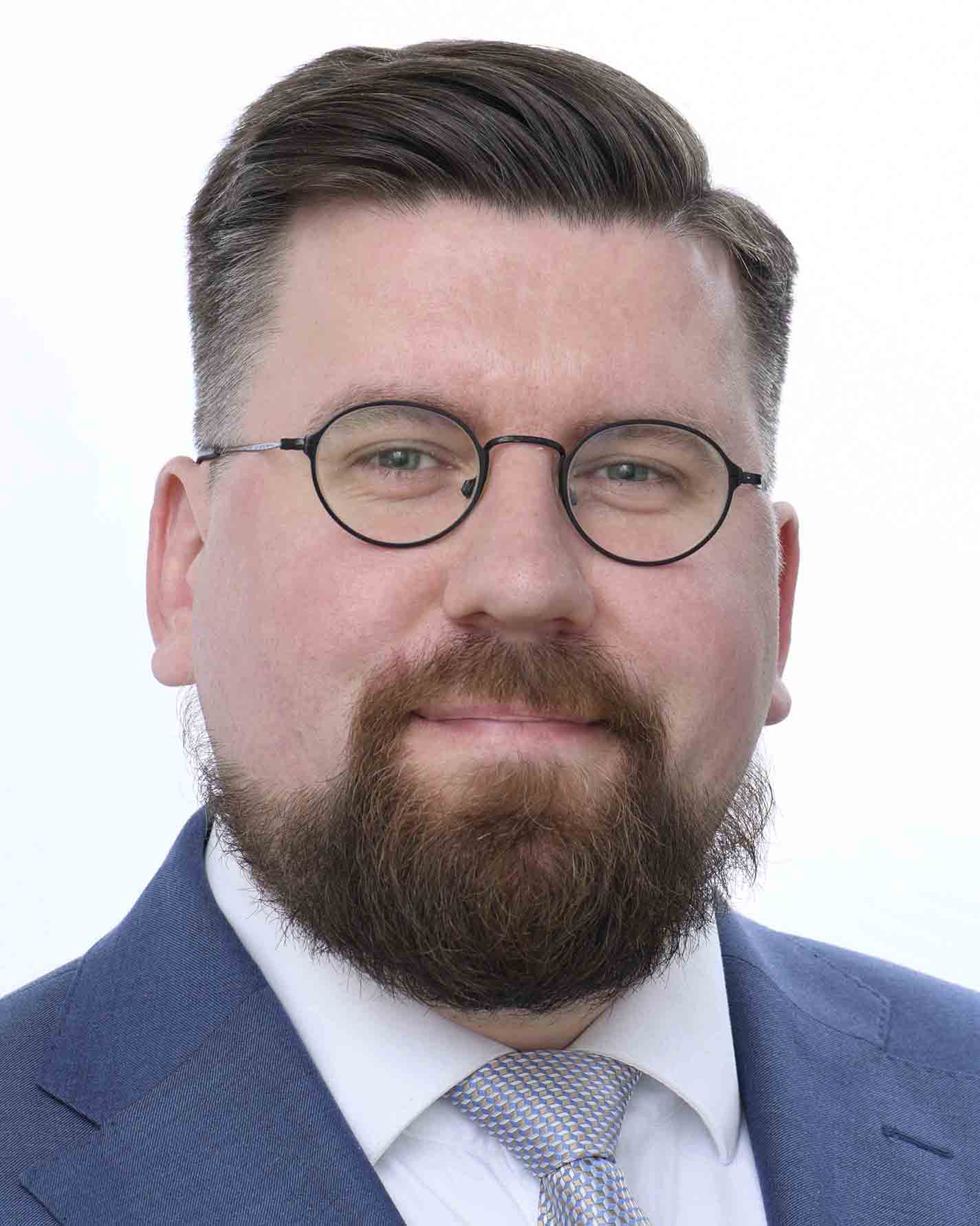
|
Sebastian TYNKKYNEN | Finland FI | European Conservatives and Reformists (ECR) | 216 |
| 3 |
|
Juan Fernando LÓPEZ AGUILAR | Spain ES | Progressive Alliance of Socialists and Democrats (S&D) | 191 |
| 4 |
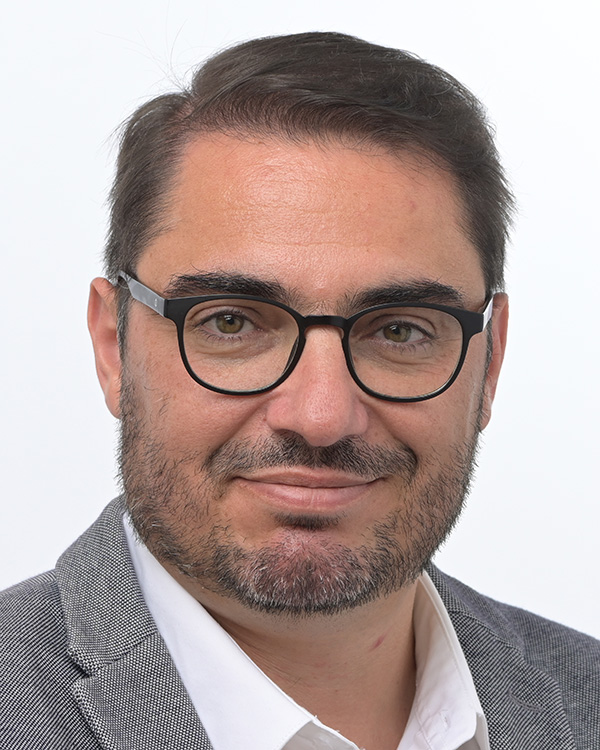
|
João OLIVEIRA | Portugal PT | The Left in the European Parliament (GUE/NGL) | 143 |
| 5 |
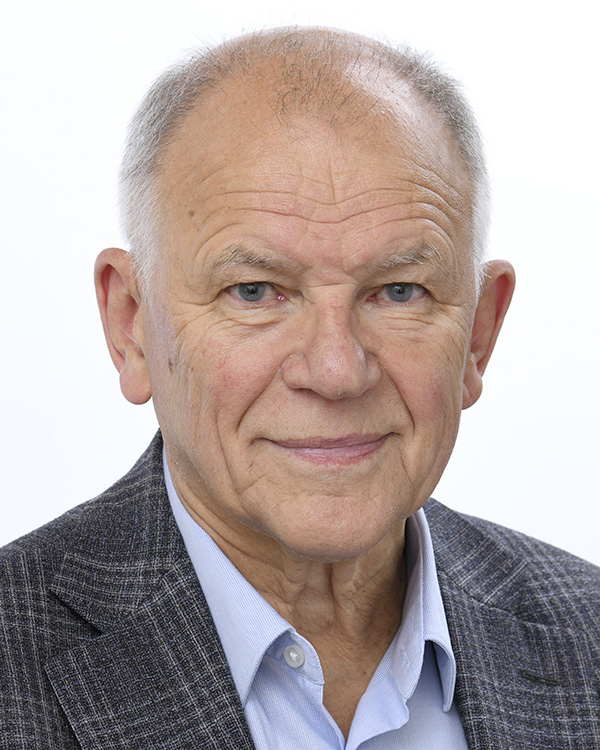
|
Vytenis Povilas ANDRIUKAITIS | Lithuania LT | Progressive Alliance of Socialists and Democrats (S&D) | 140 |
| 6 |
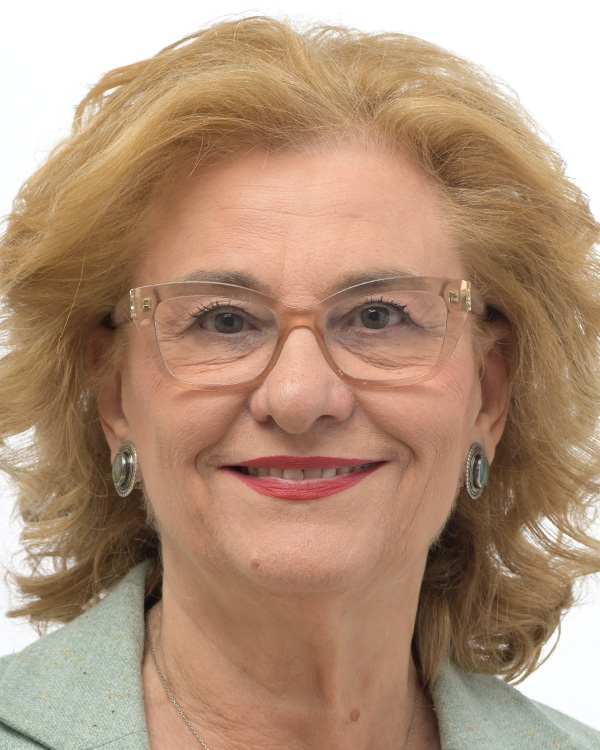
|
Maria GRAPINI | Romania RO | Progressive Alliance of Socialists and Democrats (S&D) | 117 |
| 7 |

|
Seán KELLY | Ireland IE | European People's Party (EPP) | 92 |
| 8 |
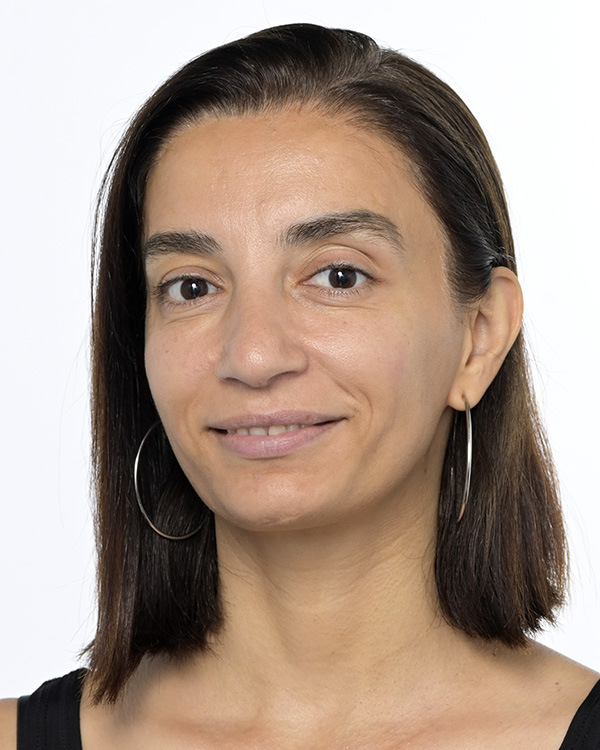
|
Evin INCIR | Sweden SE | Progressive Alliance of Socialists and Democrats (S&D) | 88 |
| 9 |

|
Ana MIRANDA PAZ | Spain ES | Greens/European Free Alliance (Greens/EFA) | 82 |
| 10 |
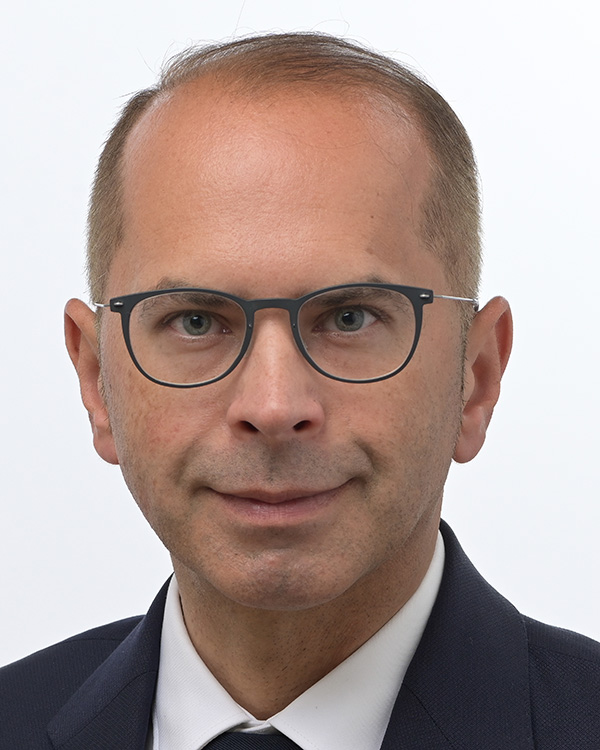
|
Michał SZCZERBA | Poland PL | European People's Party (EPP) | 78 |
All Contributions (194)
 Managing migration in an effective and holistic way through fostering returns (debate)
Date:
23.10.2024 08:29
| Language: ES
Madam President, a ghost haunts Europe: the spectre of denial and rejection of migration, which we can only manage if we do it together and in accordance with European law. We have worked very hard for a legislative pact, which now requires fair and rigorous enforcement, incompatible with the outsourcing of borders and the outsourcing of asylum applications. Von der Leyen's letter "melonizing" European politics is a serious mistake, a strategic concession to the far right, contradictory to the facts and the interests of the European Union. And to those who are obsessed with returns I say that the priority is inclusion, the priority is to fight mafias and illicit trafficking and, of course, open legal and safe pathways. And so I tell the Commission that it is time to demand that Member States faithfully fulfil their obligations under the Pact, with shared responsibility and binding solidarity.
One-minute speeches (Rule 179)
Date:
21.10.2024 19:47
| Language: ES
Mr President, Commissioner, solidarity and cohesion are the European social model and if there is a threat hanging over that model, it is the difficulty of access to housing that runs throughout Europe. This last weekend in the Canary Islands, again, thousands of people have taken to the streets again to protest against what they consider to be an excess of tourist pressure, because in the Canary Islands there has been a population increase of 30% in the last twenty years and because, in addition, 60,000 extra-hotel accommodation offers have been declared in recent years, which is equivalent to twelve hotels with 250 beds each. But the corresponding investments have not been made either in hospitals, or in residences, or in electricity networks, or in airports, or in maritime connections, or in the water cycle and in relation to discharges into the sea. And we have our hopes set on the next von der Leyen Commission, in which there is finally going to be a Commissioner in charge of housing, the Danish Dan Jørgensen, who will be able to mobilise European funds against investment funds, against vulture funds, to finally generate an offer of housing for rent or for sale that will allow the emancipation of young people and access to housing for the working class. That will mean an opportunity to restore the European social model with a European housing policy.
The rise of religious intolerance in Europe (debate)
Date:
10.10.2024 07:44
| Language: ES
Madam President, Vice-President Schinas, this is 2024, isn't it worrying that we are talking about the growth of intolerance and religious hatred in the European Union? The diagnosis is made: It is put on the table by the European Union Agency for Fundamental Rights and we have heard it exposed in choral polyphony here in this debate in the European Parliament. The point is to act, because, since the Framework Decision on combating racism, xenophobia and hate speech of 2008 and the European Commission's Strategy, there is no place for hatred in Europe. There is a decisive legislative initiative by this European Parliament to incorporate into the criminal codes of the Member States – with the coverage of Article 83 of the Treaty on the Functioning of the European Union – crime that incites hatred and therefore also incites violence against entire categories of people based on their membership of a cultural, ethnic or religious community. What is needed, moreover, is to tackle the problem of the proliferation of hate crimes online, to mobilise the European Security Fund to protect threatened people and places of worship and to incorporate all levels of government: Member States, local authorities and regional governments. But lastly, President, it is not just about protecting the victims – which, of course, is also the case; It is also about protecting European society as a decent, open and pluralistic society.
2024 Annual Rule of law report (debate)
Date:
09.10.2024 17:58
| Language: ES
Mr President, Madam Vice-President Jourová, fifth annual report on the rule of law in the European Union. We struggled to move it forward, but there it is, examining all Member States on judicial independence, corruption, pluralism of information and separation of powers. And it has taught us to distinguish those situations where there is something worth commenting on, even if they are criticisms as unfair and delirious as those heard from the Spanish PP with respect to the situation in Spain – where there is a minority coalition government that, in no way, can be equated with any autocracy –, against situations where there is a systemic violation of the rule of law, such as the one we discussed this morning with Prime Minister Orbán, with an overwhelming absolute majority through a truncated electoral system, with a majority prize that gives him a two-thirds support – without having him at the polls – with which he restricts pluralism, persecutes minorities, harasses disses dissidence and ends information pluralism and academic freedoms. These situations must therefore be individualised and, in no case, confused with those issues dealt with in the Rule of Law Report and which point out – of course – that all democracies of the rule of law in the European Union must be constitutional and guarantee their own diversity, respect for individual rights protected by a judiciary and guaranteed the protection of minorities and media pluralism.
Prevention of drug-related crimes, their effect on European citizens and the need for an effective European response (debate)
Date:
09.10.2024 16:56
| Language: ES
Madam President, Vice-President Schinas, those of us who love the freedom enshrined in the Charter of Fundamental Rights know that it is enshrined in the same article as the right to security of European citizenship. When we are discussing here the EU Drugs Strategy, of course, we look at the reports of the European Union Drugs Agency in Lisbon, which tell us that tons and tons and tons and tons of synthetic drugs are reaching the ports of Belgium and the Netherlands also hidden in the fruit that we import from third countries. But we must also look at the Europol reports, which show us that global cross-border organised crime is the crime of our time and is all interlinked, that drug trafficking is connected with the illicit trafficking of human beings and with money laundering, hence the European commitment to fight in a common way against money laundering from illicit businesses. However, I would like to stress that no strategy for the prevention of drugs and the harm they do in the European Union, which assures Europeans, can do without their social dimension, health aspects, including mental health, and the human rights and inclusion considerations that need to be promoted in order to combat all the marginalisation and harm caused by drug trafficking.
Strengthening the security of Europe’s external borders: need for a comprehensive approach and enhanced Frontex support (debate)
Date:
09.10.2024 15:00
| Language: ES
Mr President, Mr Vice-President Schinas, yesterday we were discussing Schengen in this very rostrum. But the other side of the coin of the free movement of persons is the mandate of an integrated management of the external borders of the Union, respecting European law and laws. For that we launched Frontex, which has turned out to be the largest agency, with a budget of nine hundred million euros and staff targeting thirty thousand agents from all over the European Union. This Parliament has been instrumental in strengthening its mandate in 2019 and wants to strengthen it again to make it more a guarantor of fundamental rights and of the legislation of the Pact on Migration and Asylum. But this Parliament has also demanded that the Commission finally take the initiative to set up a European mechanism, a European rescue and rescue framework, because the European Ombudsman says goodbye, after ten years in office, regretting the gap between Frontex's mandate and rescue and rescue. Frontex cooperates with Member States, but there is something else Frontex can do and the Commission needs to take the lead. It is to have cooperation with countries of origin and transit to supply precisely those who, like Spain, are making an enormous effort to save lives at sea and need that, for example, to the effort that Spain makes in the countries of the African cornice, the presence of Frontex also joins.
Presentation of the programme of activities of the Hungarian Presidency (debate)
Date:
09.10.2024 10:15
| Language: ES
Madam President, Prime Minister Orbán, this European Parliament is not a foreign power, it is a directly elected Parliament of 450 million people, including 10 million Hungarians, who want to remain European despite the contempt of the government you preside over for the European institutions. I heard him talk about the European motto: "United in Diversity". It does not apply only to the Union, it also applies to each of the Member States. We are therefore talking about open societies that are incompatible with xenophobia and the contempt of migrants. That is why, under the Presidency, Hungary is under the Article 7 procedure and under the rule of law conditionality procedure, which restricts access to funds. This will continue until Hungary complies with European law, until Hungary complies with the rulings of the Court of Justice of the European Union and until Hungary fully understands what it is to be European.
Outcome of the Summit of the Future: transforming global governance for building peace, promoting human rights and achieving the sustainable development goals (debate)
Date:
08.10.2024 17:47
| Language: ES
Mr President, the Summit of the Future is a work of maturity for the United Nations system, whose founding charter will be 80 years old next year, and, three years later, will be fulfilled by the Universal Declaration of Human Rights. And it is true that, so long after the Second World War, its most obsolete piece is precisely the Security Council, which gives permanent veto rights to the five great Member States of the United Nations, which were victorious on that occasion. Yet the United Nations remains irreplaceable. It is the expression of the international community and the resolutions of its General Assembly are the expression of international legality. That is why it is worth continuing to defend the Sustainable Development Goals, particularly against those who demonize them as if they were a diabolical anti-democratic invention to oppress and that has no legitimacy. No, betting on human rights, the fight against climate change, the fight against poverty and equality, particularly gender equality, continues to make sense, as does continuing to defend the Secretary-General of the United Nations against those who attack him from positions contrary to international order and world peace.
Preparation of the European Council of 17-18 October 2024 (debate)
Date:
08.10.2024 08:17
| Language: ES
Mr President, Commissioner Šefčovič, on the preparation of the October European Council, chapter on migration, I see no higher priority than requiring Member States to raise their implementation plans for the Pact on Migration and Asylum, with a loyal commitment to fulfilling their obligations on solidarity and offers of solidarity with the external borders. The Canary Islands is by far the deadliest route of migration to the European Union, with tragedies such as the waters of El Hierro, which I was able to comment on in plenary yesterday. But today we have heard demagogy from the Popular Party, pretending that the responsible European and humanitarian policy of the Government of Spain generates a so-called effect. If the Partido Popular wants to help in the Canary Islands, let it begin by demanding from its autonomous communities the solidarity redistribution of unaccompanied minors, who saturate the reception capacity; to approve the reform of the Law on Foreigners promoted by the Government in order to achieve this objective, and to demand that the majority of governments of the People's Party in the European Union raise these offers of solidarity, which will make a difference with respect to the border regions, which are currently saturated.
One-minute speeches on matters of political importance
Date:
07.10.2024 21:19
| Language: ES
Madam President, European Commission, last 28 September a tragedy took place in the waters of El Hierro (Canary Islands, European Union). While Salvamento Marítimo was rescuing a boat full of migrants, the boat capsized and, in a few frantic minutes, only a few operators managed to save twenty-seven people and rescue nine corpses. But, according to all the testimonies, another sixty-three people sank into the darkness of the bottom of the sea. This is the deadliest migration route to the European Union, which is the Atlantic route, via the Canary Islands, and which has its most dramatic expression in unaccompanied minors who at the moment saturate the reception capacity of the Autonomous Community of the Canary Islands. We have put in place the Pact on Migration and Asylum, with significant solidarity in border regions, but that does not exempt the solidarity of the autonomous communities, governed by the Popular Party in Spain for the most part, from also providing support in the redistribution of these unaccompanied minors by the whole of Spain. Because, yes, the solidarity of the European Union is an absolute priority, but the solidarity of the autonomous communities with the Canary Islands in Spain is imperative and unpostponable, as is also the legal reform that allows it.
Facing fake news, populism and disinformation in the EU - the importance of public broadcasting, media pluralism and independent journalism (debate)
Date:
07.10.2024 19:38
| Language: ES
Madam President, Madam Vice-President Jourová, in a democratic society, freedom of expression and freedom of the press have their corollary in pluralism of information. But no democratic society can allow media pluralism to be rendered inane and helpless in the face of the proliferation of bots, trolls and pseudo-media that spread lies, defamation, slander and hatred. And, therefore, those who from this rostrum pretend to be scandalized by the transposition of the European Regulation on Freedom of the Media of this European Parliament to the Member States are actually hiding that they defend these pseudo-media and these lies in the service of their interests. For this reason, the Government of Spain is doing the right thing by promoting an Action Plan for Democracy, which introduces transparency in the financing of the media and in the audit and monitoring systems of these media. And, of course, also when he defends that against artificial intelligence, which violates the right to one's own image, there can be efficient defenses, in addition to a right of rectification that restores truthfulness when deliberately lying in pseudo-media.
The reintroduction of internal border controls in a number of Member States and its impact on the Schengen Area (debate)
Date:
07.10.2024 17:36
| Language: ES
Mr President, Commissioner Johansson, Schengen is the metaphor of the free movement of persons without internal borders within the European Union, a fundamental right enshrined in the Charter and most appreciated by the more than 400 million citizens who enjoy it. This Parliament has worked very hard to put in place a Pact on Migration and Asylum, but also to put in place a Schengen Borders Code, which clearly states that any restrictive measure introducing internal controls has to be adopted by and in coordination with the Commission. It has to be proportionate. It must also serve the objective of ensuring security in the face of serious internal threats. And it has to be, above all, delimited and limited temporarily. Therefore, whenever there is a criminal, tragic and condemnable act, whose perpetrators have to be brought to justice, the first thing the Member States do is suspend, for no less than six months, the movement of people across their borders, launches a wrong measure, because, firstly, it pretends that the threat to security comes from free movement, which is false, but, secondly, it serves the discourse of the enemies of Europe, that nationalist ultra-right that repeatedly attacks free movement and tries to reintroduce borders. It is therefore necessary to comply with the Pact on Migration, but also that all Member States comply with their obligations under the Schengen Borders Code.
The severe situation of political prisoners in Belarus
Date:
18.09.2024 17:59
| Language: ES
(start of the intervention out of microphone) ... the intolerable situation of political prisoners in Belarus: the longest dictatorship in Europe with the tyranny of Lukashenka for more than 30 years, the only country of the former Soviet Union excluded from the Council of Europe, and we do so by focusing on opponents of Lukashenka who challenge the electoral fraud of August 2020 and are in prison, some of them winners of the Sakharov Prize with which this European Parliament distinguishes freedom activists. But it is particularly worrying, and that is within the scope of the European Parliament, that there are arrest warrants supported by Interpol: in the resolution we must prevent this from continuing and demand the extradition of a political prisoner, Andrei Hnyot, to be detained in Serbia, a candidate country for accession to the European Union. Similarly, it is intolerable that Belarus and Russia have benefited from the green card scheme of a government of a Member State of the European Union holding the rotating Presidency at the moment, as is the case with Hungary, which we discussed in an earlier point in the European Parliament. That is not only worrying, but rejectable.
The Hungarian “National Card” scheme and its consequences for Schengen and the area of freedom, security and justice (debate)
Date:
18.09.2024 14:06
| Language: EN
All threats against security, all threats against internal security in a Member State of the European Union, are a threat to the European Union as a whole, and to the security of European citizens. We have made that point very strongly in the European Parliament, and that, of course, includes golden visas and golden passports that have been put in practice by many Member States through the so-called Great Recession. That was the case of Spain under a conservative government. It's been a progressive government, the government that has taken the decision, has made the choice, of putting an end to it precisely on the grounds not only of fighting against money laundering and the risks that are entailed and involved, but also securing the integrity of the Schengen Area, fighting all forms of inequality when it comes to access of residence and European citizenship, because residence is the gateway to European citizenship.
The Hungarian “National Card” scheme and its consequences for Schengen and the area of freedom, security and justice (debate)
Date:
18.09.2024 14:02
| Language: ES
Mr President, Commissioner, representative of the Hungarian Presidency, the issue is geopolitical, more so than its wording seems: an examination of the system of national cards established by the Hungarian government of Viktor Orbán for citizenship of Russia and Belarus, allowing them to enter and reside in the Schengen territory of the European Union. It therefore raises two problems that deserve an answer. The first is the risk of circumvention of hard-won restrictive measures and sanctions against Russia and Belarus after Putin’s war of aggression against Ukraine. And secondly, the integrity of the Schengen area itself, which has to be immune to money laundering, illicit financial flows and threats to our internal security. So we must resolve these doubts, which have to do, in fact, with the surprising decision of the Orbán government to establish the privileged entry and residence of citizens of Russia and Belarus in the European Union, with the argument of the labour market, when we are talking about a government that has distinguished itself by its radical opposition to all forms of shared responsibility and solidarity in migration matters, despite the laborious pact that we managed to carry out in the last legislature, which is based precisely on these pillars: shared responsibility and solidarity. But, in addition, it connects with a problem that this European Parliament has pointed out and denounced: the generalization of the Golden Visas and the golden passports. This is an absolutely execrable practice, and we therefore call on the Commission not only to bring order but to put an end to it. The Government of Spain has distinguished itself by repealing the Golden Visas, They were established by the previous Conservative government in relation to the crisis of the Great Recession, because it saw in it a threat not only to the strategy against money laundering, but to generate inequality in terms of access and residence. The Commission must therefore answer two questions. First, what measures do you consider to address all the risks, no longer potential but current, to the security of the European Union of the national cards established by the Hungarian Government? And secondly, what is the Commission's strategy for fulfilling the European Parliament's mandate to repeal in all the Member States that still have them? Golden Visas and the golden passports, as the Government of Spain has done.
Organised crime, a major threat to the internal security of the European Union and European citizens (topical debate)
Date:
18.09.2024 10:57
| Language: ES
Madam President, Commissioner, in the first thematic debate of this European Parliament legislature, we discussed organised crime as a major threat to the security and citizenship of the Union. A statement with which we can agree. And, of course, no alarmist speech - as has been heard in this rostrum - that tries to generate panic in the citizens and then exploit it electorally, let alone using false and misinterpreted data, contributes. No, let us be serious, security is a fundamental right of European citizenship, on par with freedom, and security is threatened by the organised crime that is crime in our time of globalisation. And it turns out that Europol shows that organised crime produces profits of €140 billion a year, or 1% of GDP. It does so in areas fully covered by European criminal law (Article 83 of the Treaty on the Functioning of the European Union). Organized crime is the laundering of money from illicit businesses, it is corruption, it is illicit trafficking, whether of people or weapons, it is cybercrime and, of course, it is drugs. And for that, a stronger and more effective European Union than we are at the moment is essential. In the last legislature we put in place some major European laws in this area: the Anti-Trafficking Directive, which, incidentally, mandates the criminalisation in Member States of the labour or sexual exploitation of victims of trafficking, but also the Asset Recovery and Confiscation Directive and the Anti-Money Laundering Package. We also have a specialised unit at Europol: the European multidisciplinary platform against criminal threats, the so-called Empact, according to which 15 000 investigations, 20 000 arrests and the seizure of EUR 800 million and 200 tonnes of drugs were carried out last year. What can we do to improve? Strengthen cooperation with third parties. Interpol. Strengthen police and judicial cooperation (EU Mandate, Articles 82 and 88 of the Treaty on the Functioning of the European Union). And, of course, a better relationship of the institutions and agencies currently available. CEPOL, in addition to Interpol, is engaged in specialized police training, which deserves all means and attention. In addition, we must fight against money-laundering and terrorism. And we have the European Public Prosecutor's Office. All this so that we really honor that freedom and security are fundamental rights in parity.
Global measures towards social media platforms - Strengthening the role of DSA and protecting democracy and freedom in the online sphere (debate)
Date:
17.09.2024 11:30
| Language: ES
Mr President, Commissioner, why is the extreme right rising in Member States of the European Union with a history of social cohesion? Part of the answer lies in the ancestry of those social networks whose algorithms are designed not only to spread hoaxes and lies, but machismo, denialism, all forms of discrimination. It is not freedom of expression, it is a business model that puts social networks as a tool of political communication and the language with which it is done at the service of the ideology of its owners. That is why the Digital Services Regulation that we approve in this European Parliament is so relevant, but, above all, a Commission that guarantees its compliance by imposing obligations and sanctions on digital platforms that practice that form, no longer of disinformation, but of direct attack on the founding values of the European Union, on the coexistence and pluralism of which the European Union is composed. Therefore, the essential thing is that digital services ensure that social networks are at the service of European values and legislation.
One-minute speeches on matters of political importance
Date:
16.09.2024 20:17
| Language: ES
Mr President, Commissioner, I am talking about the Canary Islands, an external border territory of the European Union subject to an incessant flow of rescue and rescue operations for desperate people coming from the African continent and with pressure from unaccompanied minors that saturates its response capacities and that requires the mechanism of shared responsibility and mandatory solidarity that we approve in the European Pact on Immigration and Asylum. By the way, something that must have its correspondence also in Spain and that, however, finds the opposition of the right in the Congress of Deputies and the autonomous communities governed by the right in Spain. But that is the right answer, not to suspend Schengen, not to restrict the free movement of people, not to confront an abject approach. insurance, migration with European citizenship in the enjoyment of the most cherished freedom, which, without a doubt, is that of free movement. That is the right strategy and, unfortunately, it is the response we have seen in Germany to the criminal attack in Solingen that, without a doubt, deserves condemnation, as its victims deserve solidarity. But the right response is the implementation of the European Pact on Migration and Asylum.
Persistent problems of anti-Semitism in Europe and of other forms of hate speech and hate crimes (debate)
Date:
16.09.2024 19:41
| Language: ES
Mr President, Commissioner, this Parliament has done everything in the last legislature to put on the agenda the European strategy adopted by the Commission for the period 2021-2030 against hate speech and against all forms of discrimination between categories of Europeans. It is the strategy to fight anti-Semitism – because we are talking about the Jewish communities that are an integral part of the European Union – but also anti-Gypsyism and anti-Muslim hatred. Moreover, we in this Parliament approve of extending the legal basis of Article 83 of the Treaty on the Functioning of the European Union to make hate crime and hate speech – which is undoubtedly incitement to criminal violence – a European crime to be incorporated into the criminal codes of all Member States. And it is the Council that now has the task of fulfilling the resolution and the mandate of the European Parliament. But it is the Commission, the guardian of the Treaties, that must be at the forefront of this legislature. It is the first useful plenary session, the first legislative plenary session of the European Parliament in this new legislature, and we already have on the agenda nothing less than a debate on the rising tide of anti-Semitism, hate speech and hate crime. But I put it in connection with a debate that we will have tomorrow: the regulation of digital platforms with the new Digital Services Act, because it is in the algorithms of networks, in the algorithms of digital platforms, where hate is fed that leads to hate crime that has to become a European crime.