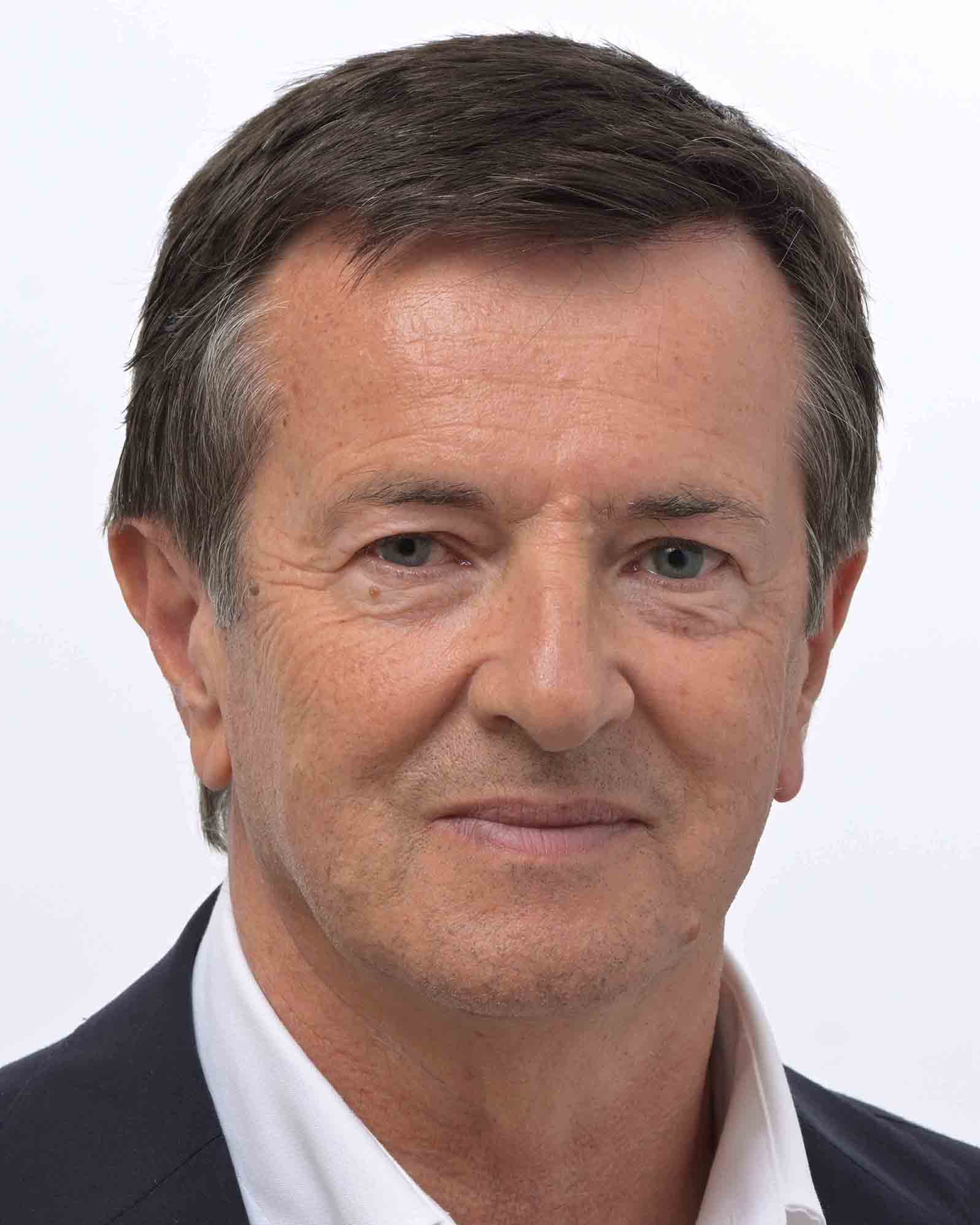
 Debate contributions by Giorgio GORI
| Rank | Name | Country | Group | Speeches | |
|---|---|---|---|---|---|
| 1 |

|
Lukas SIEPER | Germany DE | Non-attached Members (NI) | 321 |
| 2 |
|
Juan Fernando LÓPEZ AGUILAR | Spain ES | Progressive Alliance of Socialists and Democrats (S&D) | 280 |
| 3 |
|
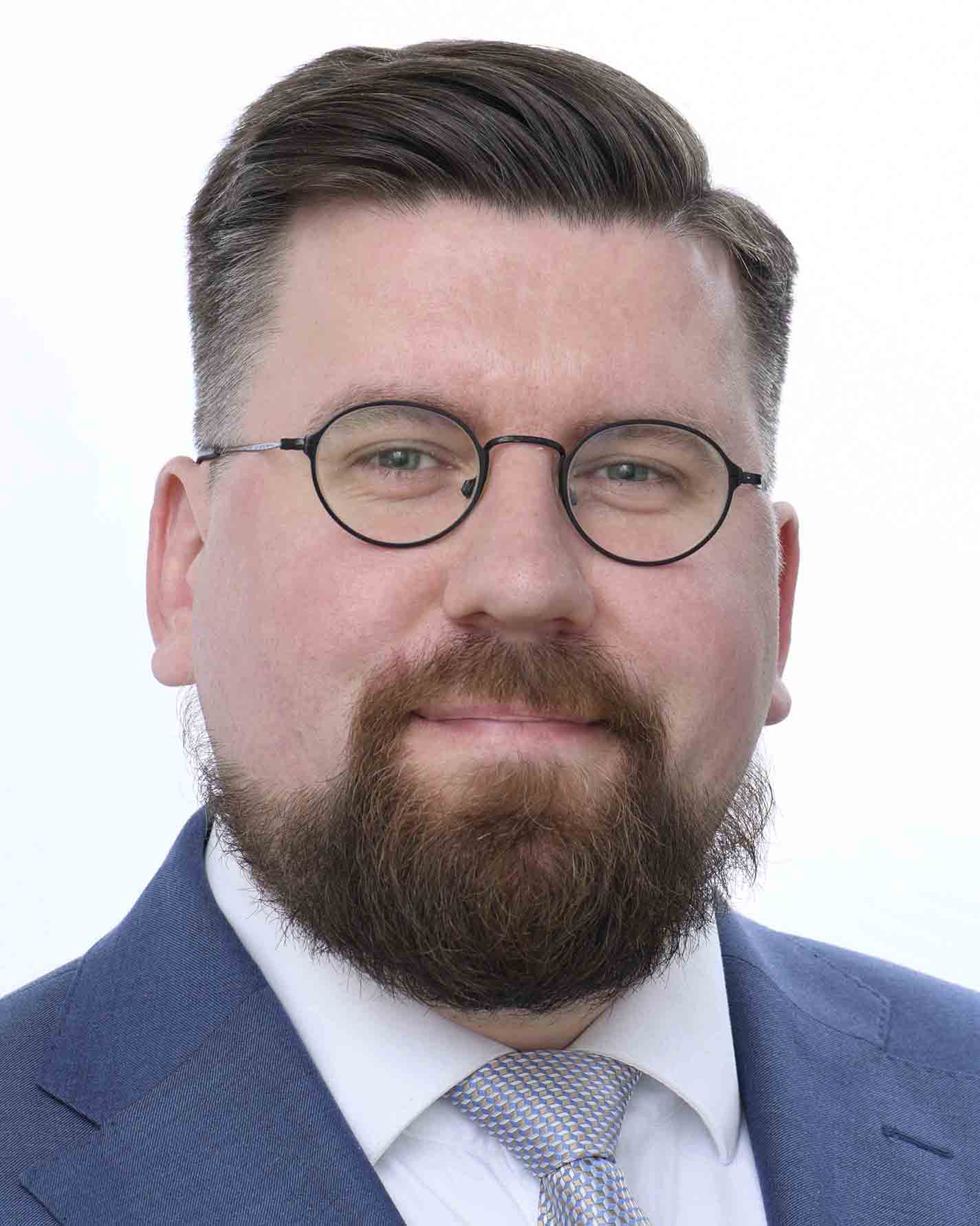
Sebastian TYNKKYNEN | Finland FI | European Conservatives and Reformists (ECR) | 247 |
| 4 |
|
João OLIVEIRA | Portugal PT | The Left in the European Parliament (GUE/NGL) | 195 |
| 5 |
|
Vytenis Povilas ANDRIUKAITIS | Lithuania LT | Progressive Alliance of Socialists and Democrats (S&D) | 183 |
All Contributions (20)
 Grids package and tackling raising energy prices through robust infrastructure (debate)
Date:
16.12.2025 10:23
| Language: IT
No text available
Rule of law and human rights situation in Tunisia, particularly the case of Sonia Dahmani
Date:
26.11.2025 20:01
| Language: IT
No text available
Escalation of the war and the humanitarian catastrophe in Sudan (continuation of debate)
Date:
25.11.2025 16:32
| Language: IT
Madam President, Commissioner, ladies and gentlemen, talking about Sudan today means facing one of the most serious humanitarian crises of our time. In recent weeks in El Fasher and Bara we have seen the horror: After months of siege, in these cities civilians were massacred, children killed by hunger and weapons. The medical and humanitarian emergency now affects more than 25 million people, and while famine is advancing, the UN humanitarian plan is only 25% funded. This is not acceptable. We need targeted sanctions, immediate humanitarian access, the extension of the arms embargo, but we also need a credible political path that involves all parties and that puts the dignity and security of the Sudanese people at the center. The news of the unilateral three-month truce, announced in recent hours by the rapid support forces, if confirmed, if verified, must be welcomed and used as a window of opportunity to restart the dialogue between the parties, as well as to help the population. The European Union has a duty to favour any instrument that can put an end to this terrible conflict.
European Defence Industry Programme and a framework of measures to ensure the timely availability and supply of defence products (‘EDIP’) (debate)
Date:
25.11.2025 09:22
| Language: IT
Madam President, Commissioner, ladies and gentlemen, the rapid geopolitical changes and ongoing conflicts, since Russia's aggression against Ukraine, remind us of the fragility of peace and require the Union to adopt a strategy to defend its security. However, this strategy cannot only translate into increases in national spending; If we want to defend Europe effectively, we must encourage greater integration of the industrial base and strengthen ourselves in terms of technology. We need to spend better and together. The agreement we are about to vote on with EDIP is an important first step in this direction. Is that enough? No, it's not. The resources available are limited – we are talking about only one and a half billion – but the programme has the merit of including the "consortium" and "collaboration" requirements, which are further strengthened for European projects of common interest. They are the first concrete elements of that European Defence Union that we aim to achieve.
Humanitarian and security situation in Haiti, in particular the rising power of criminal gangs and the recent massacre in Cabaret
Date:
08.10.2025 18:32
| Language: IT
Madam President, ladies and gentlemen, there are humanitarian tragedies of which little or no mention is made. One of them is the ongoing tragedy in Haiti. A few weeks ago, in Cabaret, criminal gangs killed forty people, including children and entire families. Sixteen thousand people have been killed since 2022. The violence of gangs, with murders, kidnappings and rapes, is fueled by the collapse of institutions and the judicial system. One million three hundred thousand people are homeless. Half of the population is hungry. Humanitarian aid is hampered and the UN plan is chronically underfunded. We therefore call on the European Commission and the Member States to act urgently to ensure immediate humanitarian support, providing food and medicines first and foremost. Supporting the gang-suppression force and reforming justice and ending impunity requires targeted sanctions against gang leaders and stopping the flow of weapons to Haiti. The situation is very serious and we cannot look the other way.
Need for the EU to scale up clean technologies (debate)
Date:
08.07.2025 12:45
| Language: IT
Mr President, Commissioner, ladies and gentlemen, with the Net-Zero Industry Act and with the Clean Industrial Deal The European Union has put in place a regulatory framework to strengthen its competitiveness in the field of decarbonisation technologies. The Union has taken the right path, but is it moving at the right speed and with the right resources? The restrictions on the export of rare earths recently introduced by China remind us how dependent and vulnerable we are on this and other fronts, because we depend on materials, processes and technologies of which others have firmly the keys. We must succeed in diversifying the supply of raw materials and in the meantime develop the investments, the large investments that are necessary to translate the European primacy in the patenting of technologies into effective production capacity. Hundreds of billions of euros are needed to scale these technologies, and that is why – as you know – the single market for capital is needed. From here, from the implementation of the Savings and Investment Union, the path of decarbonisation and strategic autonomy of our continent passes.
Choose Europe for Science (debate)
Date:
22.05.2025 07:11
| Language: IT
Madam President, Commissioner, ladies and gentlemen, in recent months the Trump administration has attacked the autonomy of the US education and university system, reduced funding for universities and restricted academic freedom. These choices weaken the U.S.'s attractiveness to global researchers and talent. The journal Nature found that U.S. scientists' overseas job applications grew 32 percent between January and March 2025 compared to the previous year. The European Commission has seized this opportunity by announcing a €500 million plan, for the period 25-27, to attract international researchers. Among the planned measures, a seven-year super grant managed by the European Research Council offers doubled stability and incentives for people moving to Europe. This initiative is a step in the right direction to strengthen Europe's position in global scientific research. However, it is essential to do more. Over the last 20 years, Europe has lost a lot of ground compared to other regions of the world – above all China and the United States – in terms of attracting investment in research and nurturing talent and projects in the most advanced innovation sectors. And this is one of the causes of the decline in European competitiveness. The Commission's initiative is therefore not enough: the Member States must be encouraged to build a legislative framework that can make the most of and sustain the capacity of researchers, those who have emigrated and we want them to return, those we want to attract and, above all, those who have remained but who live and work in precarious conditions. National funding and salaries for researchers must be increased, sound and transparent career paths must be designed and visa procedures simplified for those who choose to come to Europe. Only in this way can research flourish in Europe, becoming an engine of innovation and research.
Winning the global tech race: boosting innovation and closing funding gaps (topical debate)
Date:
07.05.2025 12:26
| Language: IT
Mr President, ladies and gentlemen, in order to regain ground in the global technological race, Europe needs critical mass in the dimension of market and business investment, while fragmentation and small scale prevail today. I am talking about public investment and above all private investment from European savings, which must be geared towards innovation and more promising sectors, beyond technologies.mid tech" on which Europe is focused today. 70% of the new value that will be created in the world economy in the next ten years will be digital. That's where we need to go if we want to free ourselves from dependence on American tech giants. Theexploits of DeepSeek It tells us that it is possible even without huge resources out of our reach. And we must focus on scientific talent, on the excellence of research centers much more than today, because they are the basis of technological competitiveness. Maybe we won't win the game but we have a responsibility to play it to the end.
Energy-intensive industries (debate)
Date:
02.04.2025 08:38
| Language: IT
Madam President, Commissioner, ladies and gentlemen, energy-intensive industries are fundamental to the autonomy and competitiveness of the European Union. They provide millions of jobs and are strategic for decarbonisation. These industries – steel, chemicals, cement, glass, ceramics, wood, paper, the heart of European manufacturing – are in great difficulty today. Energy plays a decisive role in their production costs and costs two to three times more in Europe than in the United States or Asia. Firstly, because of the weight of fossil fuels, whose high prices also influence the price of electricity, and because of the poor integration of the energy market. The growth of renewables is too slow and the benefits of their low cost do not reach consumers. The resolution for which I am rapporteur contains some proposals that we hope the Commission will take on board, from public guarantees to increase the spread of long-term contracts to forms of demand aggregation and joint purchasing. The technological innovation required to accelerate the decarbonisation of these sectors also requires significant investments, which the European Union has the task of encouraging and accompanying with public resources. In the meantime, these sectors must be protected. Dumping, tariffs, unfair competition, subsidised overcapacity of other countries, also to avoid relocations and carbon leakage. Safeguards are needed, and it is essential that instruments designed for this – such as the CBAM – are truly effective. Finally, decarbonisation and competitiveness must go hand in hand. For this reason, however, it is necessary that the green and circular products of European industries have a market, and this market must be created, it must be encouraged, so that the green transition is not only just but also convenient. European industry can stand up and protect its jobs, but we have no time to waste.
Clean Industrial Deal (debate)
Date:
11.03.2025 20:22
| Language: IT
Mr President, Commissioner, ladies and gentlemen, the Clean Industrial Deal highlights well how the decarbonisation of European industry must reconcile sustainability, competitiveness and strategic autonomy. But we would have expected more ambition, particularly on what can be done in the short term: First of all, I am talking about the price of energy. In order to ensure that long-term contracts become a widespread practice also for small businesses, there is a need for de-risking and public guarantee. It is not enough to suggest that Member States lower taxes. The point is how the price of energy is formed and how the benefits of the deployment of renewables are passed on to users. This is why the impact assessment on energy markets needs to be brought forward in the short term, not least because the competitor European industries, in addition to paying less for energy, can count on huge subsidies. On unfair competition, on how to deal with theovercapacity, the answers of the Clean Industrial Deal They don't seem to be enough to date.
Threats to EU sovereignty through strategic dependencies in communication infrastructure (debate)
Date:
13.02.2025 11:11
| Language: IT
Mr President, Commissioner, ladies and gentlemen, one of Europe's technological delays is that of satellite communication infrastructure. If all goes well, the 290 satellites of the IRIS constellation2 They will be available in 2030. Meanwhile, the more than 6 000 Starlink satellites already in orbit and a further 30 000 under authorisation are a fact. The competitive gap is macroscopic and needs to be bridged. In the meantime, bridge solutions can be imagined, but with two clear conditions. The first concerns the protection and security of communication data, which must remain with the Member States. The second is that every industrial agreement should be enshrined in an institutional framework, involving the European dimension. There is an urgent need for a European investment plan combining industrial, defence and research policies, as well as greater coordination of public spending. The structural weakness in this area makes us vulnerable and dependent and puts at risk the technological and democratic sovereignty of the European Union.
Escalation of violence in the eastern Democratic Republic of the Congo (debate)
Date:
11.02.2025 16:54
| Language: IT
Mr President, ladies and gentlemen, the horrors and violence in the eastern part of the Democratic Republic of Congo continue in all their brutality and it is the entire population that pays the highest toll in terms of human lives and suffering. To date, more than 700 000 people have been displaced. It is also our responsibility to counter the predatory aims of neighbouring countries. Rwanda must unconditionally withdraw its support for rebel forces, which have been plundering Congo for years. The European Commission can push in this direction by requiring Rwanda to fully implement the Memorandum of Understanding signed just one year ago, and in particular to comply with the provisions on traceability of materials and the fight against illegal trafficking, failing which it will be suspended and sanctioned. These rare materials are important for the energy transition of Western economies, but for no reason can they turn into conflict minerals. This is an issue in which the European Union can play an important role and has a responsibility to do so as soon as possible.
Humanitarian crisis in Sudan (debate)
Date:
21.01.2025 19:58
| Language: IT
Mr President, Commissioner, ladies and gentlemen, an unprecedented humanitarian emergency is taking place in Sudan. In the country everything has been destroyed, from schools to hospitals, and diseases that we thought eradicated, such as cholera, added to a deep famine, claim as many victims as war. The few humanitarian organizations present operate under extreme conditions. Operators in Cesvi, MSF, Save the Children, Emergency and Caritas – to name a few – face attacks, restrictions and intimidation. A few days ago, an ambulance of Médecins Sans Frontières was attacked and in December three operators of the World Food Programme were killed during a bombing. In addition to joining the call for an immediate ceasefire and an arms embargo, we urgently call on the Commission and the Member States to increase financial support and strengthen the humanitarian response, as well as to ensure the protection of civilians and humanitarian organisations, so that they have the necessary resources and means to bring aid to a population exhausted by conflict and hunger.
Rise of energy prices and fighting energy poverty (debate)
Date:
27.11.2024 15:00
| Language: IT
Madam President, ladies and gentlemen, rising energy costs, inflation and the shrinking purchasing power of millions of European households have led to a sharp increase in energy poverty. We expect the Commission to take this issue as a priority, while also making the most of civil society initiatives. The Energy Bank, for example, is an organization non-profit Italian born in 2016 on the initiative of the A2A group, in which important companies in the energy sector and third sector entities participate. These companies contribute to the Energy Bank with donations in cash o in kind to support people and families and combat energy poverty. In recent years, the Banco dell'energia has collected and donated over 12 million euros, helping 13,000 families and promoting 150 projects: from the payment of utilities to the replacement of obsolete appliances, from training to the support of new renewable energy communities. We hope that the Commission will make the most of experiences like this and help to multiply them alongside the public initiative.
Georgia's worsening democratic crisis following the recent parliamentary elections and alleged electoral fraud (debate)
Date:
13.11.2024 19:03
| Language: IT
Mr President, ladies and gentlemen, the images of thousands of Georgian citizens taking to the streets with European flags to protest against the results of the last elections confirm the population's attachment to the path of European integration. Unfortunately, on 26 October voters did not have the opportunity to express themselves without conditioning and there were many irregularities reported during the voting procedures. Added to this was Russia's violent disinformation campaign. Meanwhile, laws of clear pro-Russian inspiration – such as those on the transparency of foreign influences, the protection of family and child values, and the amendment of the Electoral Code – conflict with the fundamental norms and values of the European Union and distance Georgia from the path of accession to the European Union that began last year. Fighting this interference is crucial to ensuring a stable and democratic future for the country. Georgia, among the candidate countries, is one of the most pro-European in the aspirations of citizens, especially among young people. With regard to this driving force, which sees Europe not only as a prospect of economic development but above all as an opportunity to affirm democratic principles and civil rights, we have a great responsibility. It is up to us to use all the tools at our disposal to support, nurture and protect these aspirations, so that the Georgian people can live in a country free from corruption, which respects fundamental freedoms, rights and democracy.
Tackling the steel crisis: boosting competitive and sustainable European steel and maintaining quality jobs (debate)
Date:
23.10.2024 09:28
| Language: IT
Madam President, ladies and gentlemen, Commissioner, the crisis that the European steel industry is going through calls for our attention. The problems are clear: the first is unfair competition resulting from Chinese overproduction, which is largely subsidised. To counter this, there is an urgent need to strengthen our trade defence instruments, curbing all evasive practices. The price of energy is also a key factor in the current competitiveness gap. To reduce it, structural measures are needed, starting with guarantee instruments that promote long-term energy supply contracts. Finally, if we are to decarbonise this sector, it is crucial to preserve the availability of ferrous scrap, which is essential for the production of low-emission steel. Iron scrap must be recognised as a critical raw material and its export to third countries must be combated. We therefore call on the Commission to present as a matter of urgency an action plan on steel, containing these measures to safeguard a key sector for the European economy and its workers.
Empowering the Single Market to deliver a sustainable future and prosperity for all EU citizens (debate)
Date:
21.10.2024 17:05
| Language: IT
Madam President, ladies and gentlemen, thank you Enrico, your report deals concretely with the problem of Europe's decline in comparison with the great global powers. Not only: obliges the European Union to come to terms with the distance that, in the absence of courageous and urgent choices, separates our ambitions from reality. The main weakness of the European Union is its fragmentation. This is why the relaunch of the single market, together with mechanisms for governance ensuring greater cohesion for the European institutions, takes on the character of an indispensable necessity. Fundamental is the reference to the importance of the Union of savings and investments and its role as an enabling condition for the Green Deal. Why the green transition costs: We need common investment, but we need a strong pillar of private investment first. For this reason, your suggestions on the development of new financial instruments that mobilize private savings and attract the investments necessary for innovation are valuable. We need to know that, without resources, processes risk being blocked and that the window of opportunity to intervene is already very narrow.
The crisis facing the EU’s automotive industry, potential plant closures and the need to enhance competitiveness and maintain jobs in Europe (debate)
Date:
08.10.2024 12:28
| Language: IT
Madam President, Commissioner, ladies and gentlemen, the difficulties of theautomotive The European Union is in front of our eyes and we have a duty to deal with it, given the importance of this sector for employment and for European GDP. However, those who propose to slow down the transition are wrong. green or to change the target 2035: This is not what companies are asking us, which have invested more than 250 billion euros in electricity. China and the United States go in that direction and go there very quickly, accompanying innovation with huge public resources. It is therefore not a question of slowing down the path but of accelerating knowing that competitiveness derives from all the components of the electric car ecosystem: reduction of energy costs and upgrading of electricity grids, supply of critical raw materials, production and recycling of batteries, microprocessors, European software standards, training of workers, demand incentives to reduce energy consumption gap price relative to China, orientation of company fleets. Yes, therefore, to the request to anticipate theassessment planned for 2026. But above all, we call on the Commission to urgently launch a Automotive Action Plan that embraces all components of the ecosystem and supports its evolution with adequate resources.
The deteriorating situation of women in Afghanistan due to the recent adoption of the law on the “Promotion of Virtue and Prevention of Vice”
Date:
18.09.2024 17:06
| Language: IT
Mr President, ladies and gentlemen, this is my first speech in this House and I am happy to spend it to give a voice, together with the colleagues who have spoken, to the millions of Afghan women and girls whom the Taliban Islamist regime is trying to erase, erase from social, cultural and political life through inhuman laws, which deprive them of their right to exist and relegate them to the role of slaves within the home. The Taliban regime is undisturbedly completing its plan to eliminate women's rights in the country in the almost total silence of the international community. We cannot be complicit in this silence. Let us not abandon Afghan women and girls to their fate, let us make their and our voices heard loudly in this House. Gender apartheid and any other act of persecution against them is a form of crime against humanity, and as such we must fight it with every tool at our disposal. The future of millions of Afghan women and girls also depends on us.