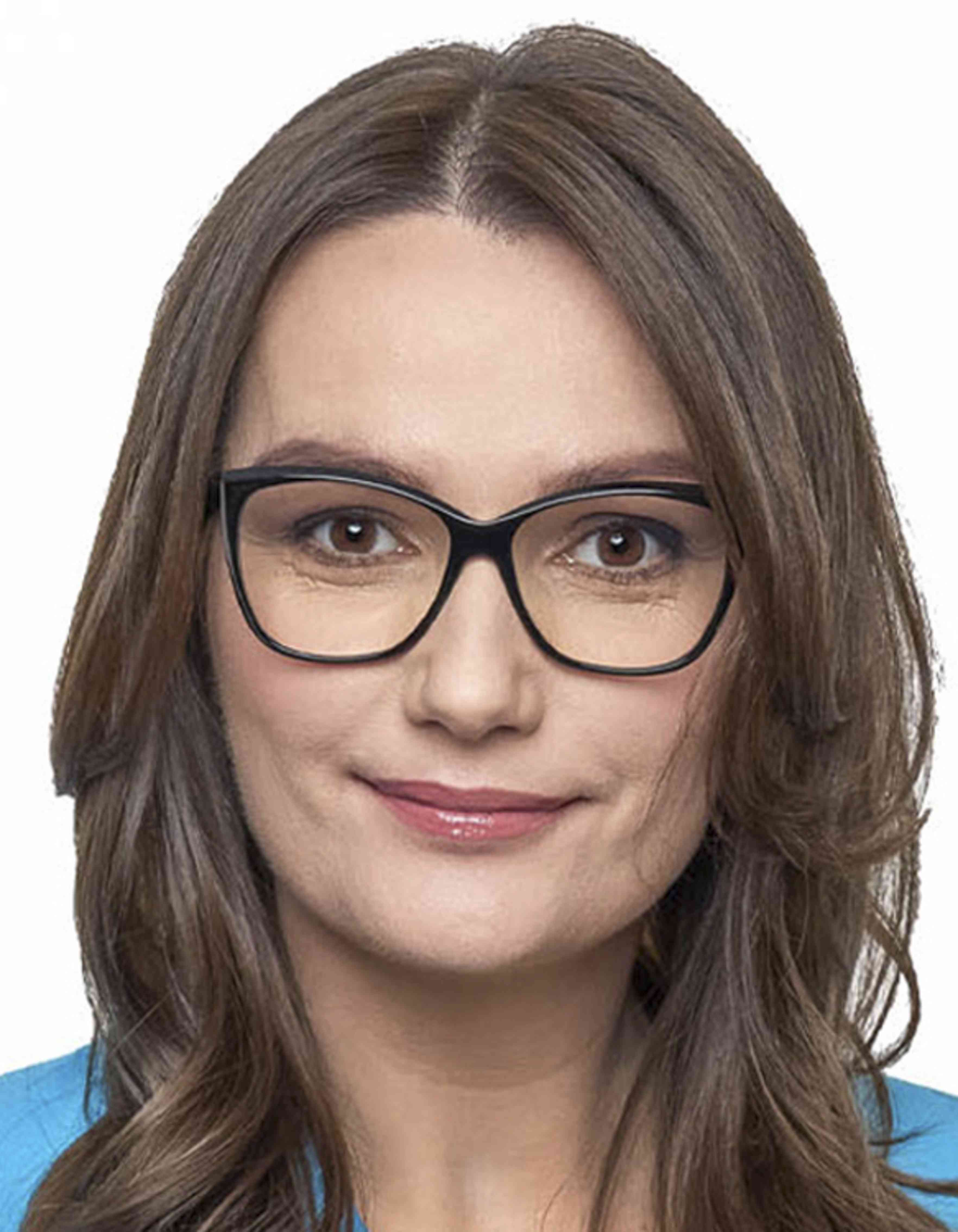
 Debate contributions by Jagna MARCZUŁAJTIS-WALCZAK
| Rank | Name | Country | Group | Speeches | |
|---|---|---|---|---|---|
| 1 |

|
Lukas SIEPER | Germany DE | Non-attached Members (NI) | 321 |
| 2 |
|
Juan Fernando LÓPEZ AGUILAR | Spain ES | Progressive Alliance of Socialists and Democrats (S&D) | 280 |
| 3 |
|
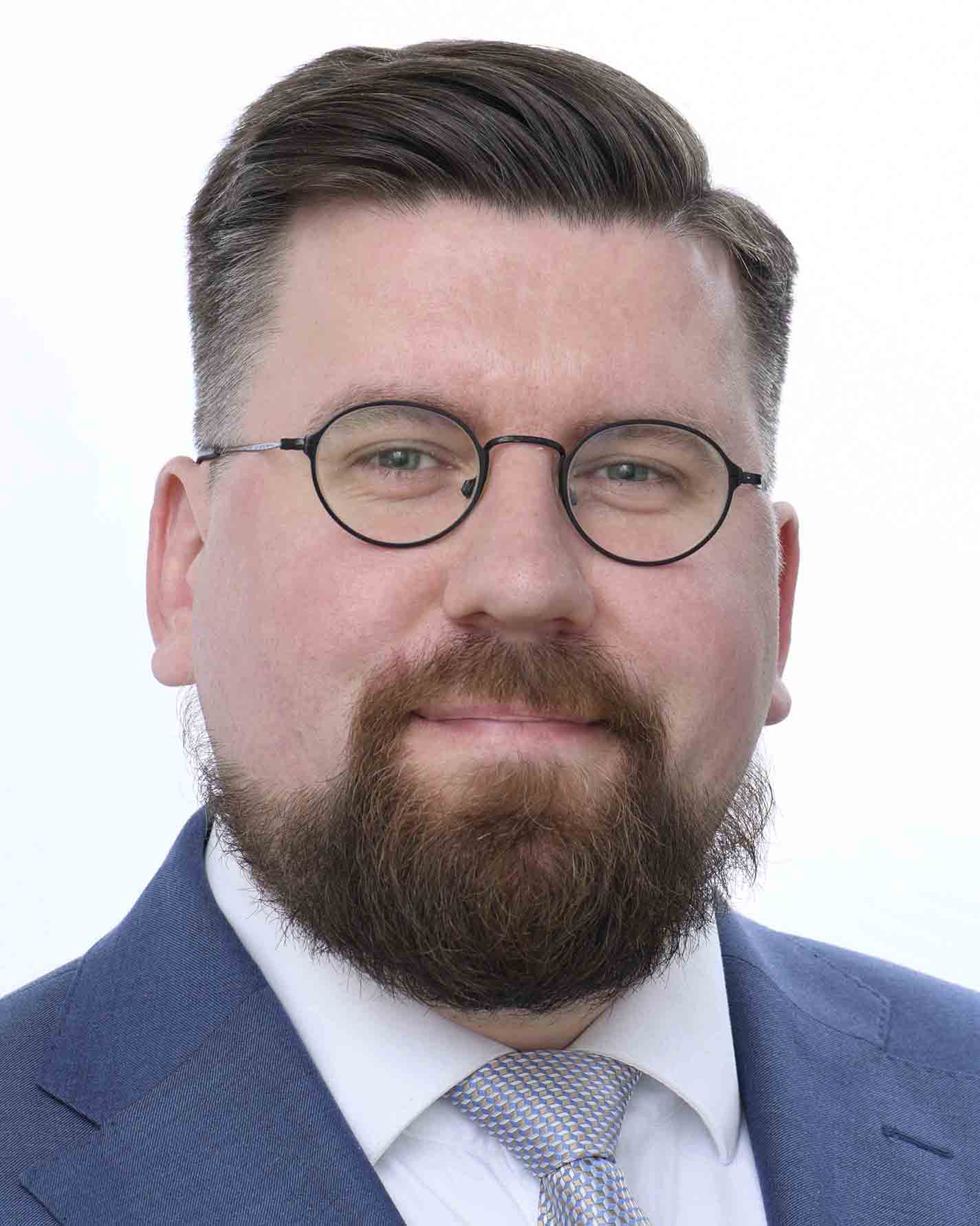
Sebastian TYNKKYNEN | Finland FI | European Conservatives and Reformists (ECR) | 247 |
| 4 |
|
João OLIVEIRA | Portugal PT | The Left in the European Parliament (GUE/NGL) | 195 |
| 5 |
|
Vytenis Povilas ANDRIUKAITIS | Lithuania LT | Progressive Alliance of Socialists and Democrats (S&D) | 183 |
All Contributions (9)
 EU strategy for the rights of persons with disabilities post-2024 (debate)
Date:
26.11.2025 16:35
| Language: PL
No text available
EU strategy for the rights of persons with disabilities post-2024 (debate)
Date:
26.11.2025 16:19
| Language: PL
No text available
Role of EU policies in shaping the European Sport Model (debate)
Date:
06.10.2025 16:39
| Language: PL
Mr President, thank you very much. As a former athlete and three-time Olympic athlete, I am very happy that in the European Parliament we take up the subject of sport, but also as a mother of three children I believe that sport will defend itself, but above all we should pay attention to sport, or rather the activity and physical culture of our children from an early age. Our biggest challenge is the decrease in physical activity among children and adolescents. Physical activity, physical fitness gradually decreases. Lifestyle and therefore physical condition have changed. This is mainly influenced by technologies, modern technologies. Children today spend more time in front of screens and in front of a computer than in the open air, leading to overweight, obesity and often mental illnesses such as depression. And physical activity is the cheapest and simplest preventive measure. According to a 2023 study by the Academy of Physical Education in Poland, as many as 94% of children do not have basic motor skills. In the era of constant development of technology, sports must therefore become an attractive alternative for the youngest, so that they do not spend whole hours in front of computer and telephone screens, which means the urgent need to develop physical education programs. The European Sport Model is a proud system based on values such as education, social development and health. But the sound alone is not enough. We need concrete actions, adequate financial resources and qualified staff of trainers who will not only teach movement, but above all instill a passion for sport, counteracting growing obesity and other diseases. In addition, sport and physical culture should be accessible and attractive to young people, because it is not only a competition, but above all an opportunity for integration, support for the development of every human being. Commissioner, are we ready for this challenge and can we reverse this worrying trend?
From institution to inclusion: an EU action plan for deinstitutionalisation, family- and community-based care (debate)
Date:
07.07.2025 18:55
| Language: PL
Dear Commissioner, Dear Mr President, Deinstitutionalization is not a theory, it's concrete. Instead of putting people in an institution, organise a supportive apartment. Instead of a children’s home, a foster family. Socialization instead of isolation. These are courageous decisions to create assisted housing, where people with disabilities can enjoy the independence of choice, at which time they can have dinner, or with whom to meet. It is also direct support for their families, who will be sure that their family member lives on their own terms, with adequate support, and will not worry about what will happen to their child after their death, after the death of their parents. I call on all the countries of the European Union: implement Article 19 of the Convention on the Rights of Persons with Disabilities. Let us build together systemic services, social services based on respect, accessibility and freedom of choice. Because each of us deserves to live among people, not behind closed doors. Because each of us can be from day to day a person with a disability requiring support in the future.
Union of Skills: striving for more and better opportunities to study, train or work in the EU and to bring our talents back home (debate)
Date:
12.03.2025 15:21
| Language: PL
Dear President, Dear Commissioner, The implementation in the Member States of the Convention for Persons with Disabilities, the Convention on the Rights of Persons with Disabilities, and in particular the provision of independent living through personal assistance, will result in the return of their parents and carers to the labour market. Such people want to work, but after many years of caring for their, often already adult children, in order to return to the labour market, they will need appropriate support, appropriate training, which will make them able to work again normally. Such caregivers deserve our special support. We must not waste their potential, because their work is a real relief for social welfare systems in the Member States. Their return to the labour market will pay off for all of us. That is why I am pleased with this proposal, which the European Commission has put forward, and I hope that we will implement solutions that will effectively support carers.
Addressing EU demographic challenges: towards the implementation of the 2023 Demography Toolbox (debate)
Date:
22.01.2025 14:16
| Language: PL
Mr President, thank you very much. Dear Commissioner, thank you very much for your report on the state of play of the implementation of demographic tools in the Member States of the European Union in 2023. It is already January 2025 and the motto of the Polish Presidency is "Security, Europe". I'm going to talk about demographics as well. The de facto support of European demography is a systemic approach to motherhood, so that women, when deciding on the first or the next child, feel safe, know that they are guaranteed to return to work, have available care for a small child in their immediate area. And if a child is born with disabilities, they will also have support for him and their families, regardless of where they come from and where they live. That is why I call on the European Commission and the governments of the Member States to work together and cooperate, which are key to systematically ensuring women's social security. Your joint action and cooperation are crucial to systematically ensure greater safety for women in Europe and to support them in their motherhood.
International Day for the Elimination of Violence against Women (debate)
Date:
25.11.2024 17:56
| Language: PL
Mr President, thank you very much. Ladies and Gentlemen, Friends and colleagues! The International Day for the Elimination of Violence against Women is a day when we should remember, but above all, also ask for women, for girls who also experience violence in sport. Yes, in a sport that we associate every day with glory, victory, positive emotions. Sport is health, but sport is also the dark side – it is violence. Physical, psychological, sexual violence. Violence is also present there, in the world of sport. We cannot ignore this problem. Violence against women in sport is not a matter of individual cases. Therefore, by introducing relevant EU or national legislation, we must work together to eliminate violence and discrimination in sport. We need to create an environment where every athlete feels safe, supported and respected both in training, in competitions and beyond. What solutions are needed? Comprehensive victim support, legal protection and enforcement mechanisms, training, education and awareness-raising. I would ask you, honourable Members, not to meet here every year and only to talk, but also to take action. I would ask the European Commission to present us with concrete actions on this issue.
Closing the EU skills gap: supporting people in the digital and green transitions to ensure inclusive growth and competitiveness in line with the Draghi report (debate)
Date:
24.10.2024 07:22
| Language: PL
Mr President, thank you very much. Commissioner, thank you very much. The skills gap in the European Union is a very complex issue. Workers' skills and education systems, on the other hand, labour market expectations do not coincide at one point. This is a multifaceted problem. First, rapid technological change generates new, demanding skills that many people cannot keep up with. Secondly, in many countries of the European Union, education systems and curricula need to be made more flexible. Thirdly, skills gaps also stem from regional inequalities. Local employers are often unable to find suitably qualified staff in their area. Fourthly, another important issue is the issue of an ageing population. This is a challenge, but also an opportunity to build better and accessible care and rehabilitation systems. Let us support the learning of care professions that are invaluable to our family members and that will one day be invaluable to us. We need action on many fronts, but the most important thing is to understand correctly the problem that undoubtedly exists.
Ensuring sustainable, decent and affordable housing in Europe - encouraging investment, private property and public housing programmes (debate)
Date:
09.10.2024 13:53
| Language: PL
Dear Mr President, Dear Colleagues, Housing is also a very important topic for the inhabitants of my region. Those living in large cities, such as Krakow or Kielce, but also for residents of tourist destinations such as Zakopane or Krynica. Real estate prices are so high today that buying or even renting an apartment charges an average of 40% of the household budget per month. This is a huge expense that Polish women and men face every day. The greatest burden of the lack of affordable housing concerns young people, for whom the decision to enlarge the family is directly related to the housing situation. When working on the Commission's proposal, I call on you not to forget the elderly and people with disabilities who are waiting for assisted housing to develop, because their independent lives are also dependent on access to such housing. I thank the European Commission for its commitment and, as Vice-Chair of the Committee on Employment and Social Affairs, I count on good cooperation to ensure decent and accessible housing for everyone. Here in Parliament, we need to work out comprehensive and viable solutions supported by cohesion funding. Only in this way can we reverse the current demographic trends in the European Union.