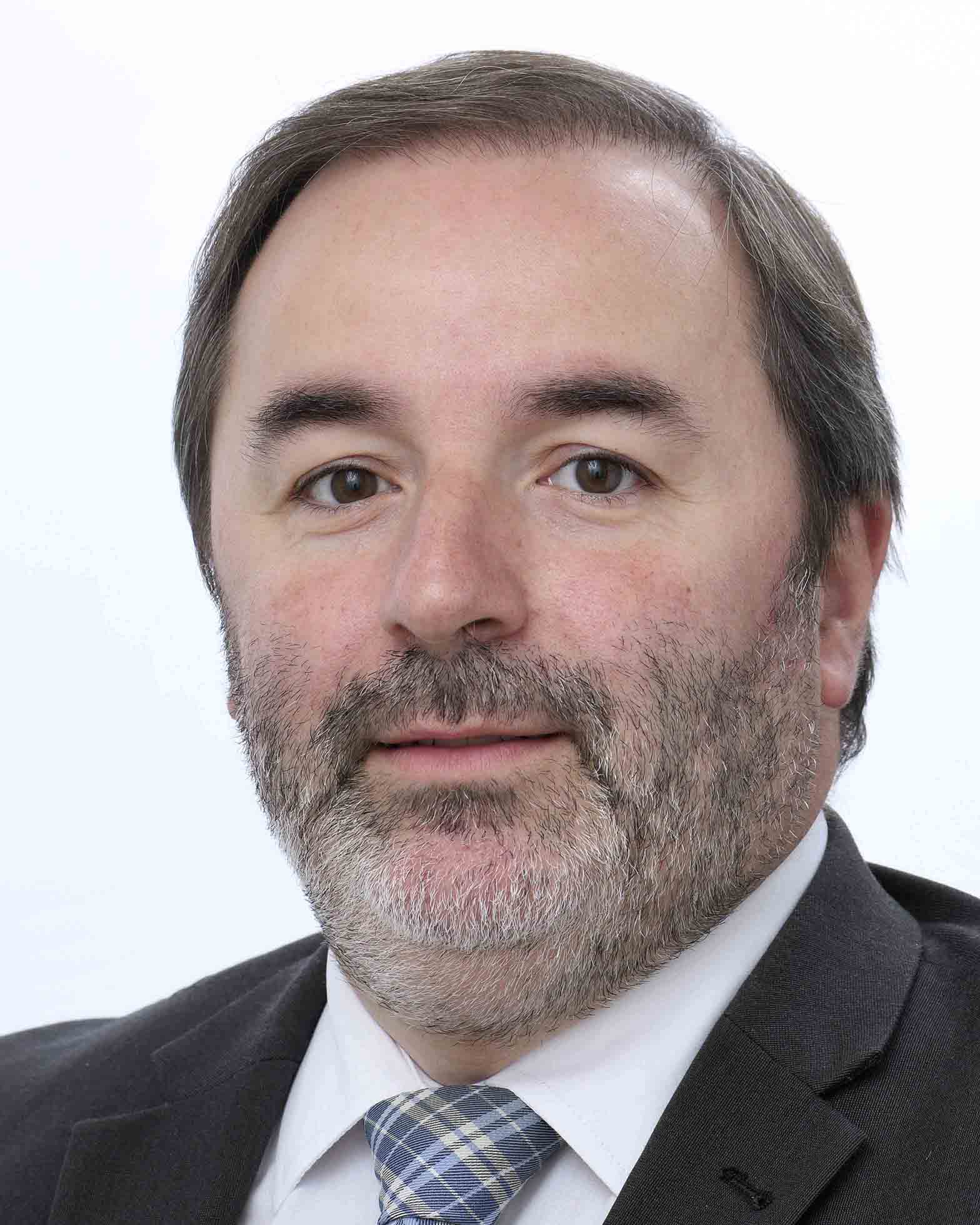
 Debate contributions by Paulo DO NASCIMENTO CABRAL
| Rank | Name | Country | Group | Speeches | |
|---|---|---|---|---|---|
| 1 |

|
Lukas SIEPER | Germany DE | Non-attached Members (NI) | 239 |
| 2 |
|
Sebastian TYNKKYNEN | Finland FI | European Conservatives and Reformists (ECR) | 219 |
| 3 |
|
Juan Fernando LÓPEZ AGUILAR | Spain ES | Progressive Alliance of Socialists and Democrats (S&D) | 200 |
| 4 |
|
João OLIVEIRA | Portugal PT | The Left in the European Parliament (GUE/NGL) | 148 |
| 5 |
|
Vytenis Povilas ANDRIUKAITIS | Lithuania LT | Progressive Alliance of Socialists and Democrats (S&D) | 146 |
| 6 |
|
Maria GRAPINI | Romania RO | Progressive Alliance of Socialists and Democrats (S&D) | 121 |
| 7 |
|
Seán KELLY | Ireland IE | European People's Party (EPP) | 92 |
| 8 |
|
Evin INCIR | Sweden SE | Progressive Alliance of Socialists and Democrats (S&D) | 91 |
| 9 |
|
Ana MIRANDA PAZ | Spain ES | Greens/European Free Alliance (Greens/EFA) | 87 |
| 10 |
|
Michał SZCZERBA | Poland PL | European People's Party (EPP) | 79 |
All Contributions (38)
 A Vision for Agriculture and Food (debate)
Date:
13.03.2025 09:08
| Language: PT
Mr President, Commissioner, this vision has put in writing what we in the PSD and the farmers out there have advocated so much. We have finally been heard, and thank you for that, Commissioner. The CAP needs to be strengthened, because agriculture is also cohesion, security and defence. What is the point of having territories if we do not develop them, or armies if we cannot feed them and depend on third countries? I welcome the strategy for generational renewal, and the figures are impressive: the average age of a farmer in the European Union is 57 and in Portugal 64. In five or ten years, who will produce what we eat? It is crucial to preserve the two pillars of the CAP, enhance transparency in price formation and a fair distribution of value in the food supply chain. The price on supermarket shelves is too far from what farmers get. Water resilience, and Portugal with the ‘Water that unites’ action plan, is an excellent example: simplification, replacing obligations with incentives, digitalisation and innovation, promotion and reciprocity, and mental health, among others, represent new hope for farmers. I will end by acknowledging its defence of agriculture in the outermost regions and of POSEI, which needs to be strengthened and updated. The outermost regions face unique challenges and are supported.
Stepping up international action to protect whales following Iceland’s decision to extend commercial whaling until 2029 (debate)
Date:
22.01.2025 19:31
| Language: PT
Madam President, Commissioner, we see with deep concern the extension until 2029 of Iceland's authorisation for whaling, one of the last three countries in the world still resisting the ban on commercial whaling, which was initiated in 1985-86 through a moratorium by the International Whaling Commission. The European Union has adopted measures to protect whales, but as whales are migratory species, their protection will only be effective if equivalent conservation measures are adopted at international level. That is why, Commissioner, I welcome this constructive vision and the dialogue that I will engage with the Icelandic authorities. In view of the fact that we have only one ocean, I also challenge the Commission to include the defence of whales in a future ocean pact. It is a responsibility of all of us. Nearly four decades after the moratorium, large whales continue to face serious and growing threats, from climate change to accidental capture, pollution, collision with vessels and lack of available food. It is estimated that large whales today store 9.1 million tonnes less carbon than was stored by the large whale population before the start of whale hunting. In addition to the admiration and respect that we must all have for these majestic mammals, preserving them, I also highlight the value estimated by the International Monetary Fund that each whale is worth more than two million euros, and the entire existing population is equivalent to one trillion euros. They can individually capture an average of 33 tonnes of carbon, and when they die naturally, they descend to the seafloor, capturing carbon for hundreds of years. It was with this environmental awareness that many countries chose to transform the whaling activity, so present and characteristic of so many European coastal areas, into whale watching. Let me mention here the success of the case of the Azores, in which around 60 000 people observe cetaceans every year, generating more than EUR 200 million in revenue per year, a figure greater than that achieved by hunting them. We must increasingly move forward with a non-lethal global approach to these marine animals, as this is the only way we will bring valuable socio-economic and scientific benefits. We also contribute to ocean literacy, as it motivates the public's interest in protecting marine life and ecosystems and the environment in general. And I will conclude, Madam President, by saying that it is time to put an end to whaling for good. Iceland, Japan and Norway: Follow the example of the Azores.
Recommendation to the Council on the EU priorities for the 69th session of the UN Commission on the Status of Women - EU priorities for the 69th session of the UN Commission on the Status of Women (joint debate - EU priorities for the upcoming session of the UN Commission on the Status of Women)
Date:
19.12.2024 10:28
| Language: PT
Honourable Member, what we have to bet on is precisely the achievement of these rights, through education and training, not only thinking about what women's education is, but also about what education for the sensitivity and, above all, the awareness of men and the male sector is. It is essential to have this increased care in promoting and, I would even say, in creating conditions so that women can effectively enter the labour market and not depend financially on other personalities or other people to ensure their empowerment and, above all, guarantee their rights. That's what we stand for and that's what we want: access to education in order to have a more inclusive society.
Recommendation to the Council on the EU priorities for the 69th session of the UN Commission on the Status of Women - EU priorities for the 69th session of the UN Commission on the Status of Women (joint debate - EU priorities for the upcoming session of the UN Commission on the Status of Women)
Date:
19.12.2024 10:26
| Language: PT
Mr President, Commissioner, there are still many challenges to achieving gender equality in some parts of the world. At this rate, in the European Union, we are 60 years away from this goal and, in the rest of the world, we still need more than 300 years. It's impressive! The participation of the European Union in the 69th Session of the UN Commission on the Status of Women is crucial. We need to defend our priorities and lead by example, contributing in our external action with policies and adequate funding, to achieve this which is one of the objectives of the sustainable increase of the 2030 Agenda. Thirty years after the implementation of the Beijing Platform for Action and after reviewing the results of the 23rd Special Session of the General Assembly, we recognise the progress, but regional disparities are still very evident. We must be uncompromising in opposing issues such as child marriage and female genital mutilation, just to give a few examples. The socio-economic context and accessibility to regions are categorical in achieving gender equality and it is only by ensuring opportunities for all these regions, including access to resources and education, healthcare and employability, that we can remove barriers that disproportionately affect women and ensure effective equality.
Challenges facing EU farmers and agricultural workers: improving working conditions, including their mental well-being (debate)
Date:
18.12.2024 16:54
| Language: PT
Mr President, Commissioner, studies indicate higher suicide rates in the European Union among farmers and farm workers compared to other professions, concluding that about 20 % of farmers have already had suicidal thoughts. Risk factors include long working hours during all 365 days of the year, financial uncertainty with changes in incomes and subsidies, regulatory pressures, dysfunctional social relationships, climate change, farmers' prejudice and stigma associated with the public belief that farming practices are harmful to animals and the environment. bullying children in schools and access to lethal means. Agricultural work is also ranked as one of the most dangerous occupations in Europe, with the sector among those with the most fatal accidents in 2021. Stress, fatigue, depression, burnout Anxiety is the most common problem. Mental health has a financial, but above all a personal and social cost. And this is all that we will have to decide again in the future common agricultural policy, Commissioner. The social conditionality introduced in the current CAP strengthens protection for farm workers, but we need to do much more. In a sector undergoing profound transformation, we need to facilitate access to mental health care and focus on stabilising and predicting farmers’ incomes and regulations, reducing the psychosocial risks of the activity. But let me highlight one point that I consider fundamental: European public recognition of the value of agriculture and farmers. This is also a responsibility of all of us and we must make peace with European farmers. I will end by launching the challenge for the new CAP to once again finance the early retirement of our farmers and agricultural workers and genuinely promote generational renewal, given the rapid and sharp wear and tear of the profession.
The situation in Mayotte following the devastating cyclone Chido and the need for solidarity (debate)
Date:
17.12.2024 19:49
| Language: PT
Madam President, Mr Executive Vice-President, I express my solidarity and deep sorrow to the bereaved families and people affected by the horror and devastating passage of Cyclone Chido, in the outermost region of Mayotte and also in Mozambique. As has already been done by the president of another outermost region, the Regional Government of the Azores. Human tragedy and the trail of destruction are overwhelming. Mayotte's vulnerabilities also indicate the need to strengthen cohesion policy, decentralised and with increasing involvement of regional and local authorities in its design and management. Unfortunately, these kinds of phenomena are becoming more and more frequent. Today, we are talking about Chido, but I could also talk about Dorothea, which is affecting the Azores and has caused huge damage on the island of São Miguel, Lorenzo, Isaac, Kirk, Leslie and Gaston, among many others, which leads to us no longer being able to speak in exceptional situations, but in a new reality, with human losses, destruction of infrastructure and housing, which seriously undermine the local economies and the future of their communities. Local and regional authorities often struggle with no means to restore normality, so the European Union must ensure that resources reach affected communities quickly and directly. However, Mr Vice-President, I cannot fail to note that the Solidarity Fund is exhausted and quickly needs to be adapted, in its financing, eligibility criteria and definition of emergency situations, to the specific reality of the outermost regions and to unexpected phenomena other than those related to natural disasters. Commissioner, the people of Mayotte need us now. We must rise to the occasion and show European solidarity with this outermost region. And I support the principle you mentioned that we need to rebuild better, thanking you for your swift intervention in this whole process. My sympathy to Mayotte.
Need to adopt an ambitious international legally binding agreement on plastic pollution, including in the marine environment
Date:
28.11.2024 14:26
| Language: PT
Yes, nothing to oppose, the point here is that I come from an outermost region, an oceanic region, the Azores, and we there suffered well what is the impact of plastics and microplastics. We've got our dive sites under threat. We also have here the plastic that drifts and floats with the currents, which affects our own biodiversity. That is why, more than just talking about the consequences here, I am also talking about the causes and, of course, that is why I highlighted here, in my speech, the need to involve the whole sector, all sectors, from the outset also the producers themselves, in solutions that are obviously appropriate to our need.
Need to adopt an ambitious international legally binding agreement on plastic pollution, including in the marine environment
Date:
28.11.2024 14:23
| Language: PT
Mr President, Commissioner, around 11 million tonnes of plastic and microplastic waste flow into the oceans each year, contaminating our coasts and diving sites, and these are one of the greatest threats to the conservation of ocean marine biodiversity and ecosystems. And we all remember the tide of pellets that washed up on our shores recently. More than 800 marine and coastal species are affected by this pollution through ingestion and entanglement, but humans can also be affected as their exposure can harm their health. In Portugal, we recently adopted the National Action Plan for Marine Litter and our electoral manifesto includes the creation of the Marine Litter Observatory, which results from synergies with several non-governmental environmental organizations, which have done a fantastic job in the defense of our ocean and coastal areas. But I also welcome the collaboration and commitment of fishermen and maritime operators, who often fish literally for plastics, helping to clean up our Atlantic Ocean and saving many of our marine species. We must invest in the reduction, reuse and recycling of plastics, in international cooperation, in this collective effort that must have mandatory and ambitious targets, involving the producers of plastic polymers themselves, who must finance their collection and also be held accountable for their use and transport.
Prison conditions in the EU (debate)
Date:
26.11.2024 18:56
| Language: PT
No text available
Prevention of drug-related crimes, their effect on European citizens and the need for an effective European response (debate)
Date:
09.10.2024 16:35
| Language: PT
Madam President, trafficking networks are not looking at ways to increase the number of consumers, destroying families and lives. The use of highly addictive drugs results in craving and the need to buy more and more, leading to the exhaustion of financial costs and, inevitably, to the entry into the world of crime, either by the practice of small thefts to buy these substances, or by the fact that they become completely oblivious to reality, in a parallel world in which nothing and no one can stand between themselves and access to drugs. In particular, I would like to highlight the new psychoactive substances known as synthetic drugs and their impact on the outermost regions of the Azores and Madeira. The low cost and easy access to these substances, which are designed in home laboratories, coupled with their highly additive characteristics, are devastating these communities. Added to this are the obvious consequences for consumers and their families, the increased feeling of insecurity in communities and the number of people begging. Local, regional and national authorities cannot and cannot respond to this scourge on their own. Recognizing the complexity of this issue, I believe that the intervention involves the creation and improvement of policies and legal instruments that, in collaboration with the pharmaceutical industry, police and border authorities, in ports and airports, aim to limit access, but also by preventing and promoting measures aimed at the rehabilitation of consumers at the level of mental health, since the levels of debilitation are evident, in particular of cognitive functions, but also the bet on the monitoring of families and the recapacitation of communities. I welcome all the professionals who work every day to combat this scourge that affects all Member States. And I will end with an appeal, Commissioner: we need a European strategy on synthetic drugs.
Droughts and extreme weather events as a threat to local communities and EU agriculture in times of climate change (debate)
Date:
19.09.2024 07:47
| Language: PT
Mr President, Commissioner, if in one part of Europe we have floods that leave a wide trail of destruction, in Portugal fires and drought threaten human lives and destroy forests and fields. Such events put enormous pressure on farmers, who experience significant drops in production, ever-increasing costs and put their own animal feed at risk. In many cases, reserves for the winter have already been consumed and farmers look forward to the coming months with uncertainty. This is also the reality on the islands where I come from, the Azores, on islands such as Graciosa, Pico, São Jorge, among others, despite the constant support of the Regional Government. The consequences are severe: less food production, prices will rise and we will have to increase imports, putting food sovereignty in the European Union at risk. There is an urgent need to create new crisis management tools in agriculture and to increase the agricultural reserve allocation, which is insufficient to cope with the quantity and severity of the extreme events we have witnessed. The Union’s food security and sovereignty depend on sound water management, science and innovation, precision farming and digitalisation, in order to increase water efficiency and develop plant species and varieties that are better adapted to the new soil and climate conditions. Water abstraction and storage must also be increased, because there is a lot of water flowing into the sea. Studies by the Joint Research Center indicate that if nothing is done, grain corn yields will contract by 22 percent and wheat by 49 percent by 2050. Let me end with a word of encouragement and hope for our farmers.
The devastating floods in Central and Eastern Europe, the loss of lives and the EU’s preparedness to act on such disasters exacerbated by climate change (debate)
Date:
18.09.2024 10:03
| Language: PT
Mr President, at this painfully difficult time, I express my sorrow to all the bereaved families and communities affected by the devastating fires raging in Portugal. I also express a deep appreciation for the tireless and even heroic work of our firefighters and operatives. I express, of course, my solidarity with the victims of the floods affecting Central and Eastern Europe. In Portugal, more than 102 000 hectares were burned and are still burning in just four days, with 25 municipalities affected, more than 40 injured and seven deaths. The unpredictability and frequency of these events require rapid responses and adequate funding from the European Union. That is why we must make the use of the European Union Solidarity Fund more flexible and increase it already, and work on its vision, because situations such as floods in the Azores, fires in Madeira and on the mainland and floods in various Member States cannot be denied aid.
Outcome of the Strategic Dialogue on the Future of EU Agriculture (debate)
Date:
16.09.2024 16:53
| Language: PT
Mr President, Commissioner, in this first speech I would like to highlight dialogue as a positive point. It is crucial that we decide with farmers, in partnership with farmers, and not on their backs. A second note to strengthen the reference to a strategic pillar on the issue of food security, but also agriculture itself. There can be no strategic autonomy for the European Union without a strong and robust agri-food sector. That is why I also welcome the creation of the Just Transition Fund for the agricultural sector as a way to maintain the level playing field. I would also like to highlight the need to improve farmers' incomes and recall that, in 20 years, the average income of farmers has always been well below the average of the other sectors of the economy. This has to be changed. But I also highlight the appreciation of the position of the farmer in the food supply chain, the reduction of bureaucracy, the improvement of transparency in price formation, the fight against unfair trading practices and the increase of the attractiveness of the sector, which promotes the entry of young people. In this regard, I would point out in particular that, in recent years, the European Union has lost one third of its farmers and 57% of our farmers are over 55 years old. In Portugal, my country of origin, the average age of a farmer is 64 and only 6.5% of farmers are under 35. We will certainly not have a future on this path. But this report does not say that the European Union, in the last three decades, has been the only one to reduce net greenhouse gas emissions, when it accounts for only 7% of global emissions. Nevertheless, the sustainability of the agricultural sector must be a priority. This result, also of European agriculture, should be disseminated to Europeans so that they know what has been done. The service that farmers provide to the environment should also be properly remunerated. The report also does not say that about 98% of European agricultural products show traces of pesticides below zero...