 Debate contributions by Idoia MENDIA
| Rank | Name | Country | Group | Speeches | |
|---|---|---|---|---|---|
| 1 |

|
Lukas SIEPER | Germany DE | Non-attached Members (NI) | 321 |
| 2 |
|
Juan Fernando LÓPEZ AGUILAR | Spain ES | Progressive Alliance of Socialists and Democrats (S&D) | 280 |
| 3 |
|
Sebastian TYNKKYNEN | Finland FI | European Conservatives and Reformists (ECR) | 247 |
| 4 |
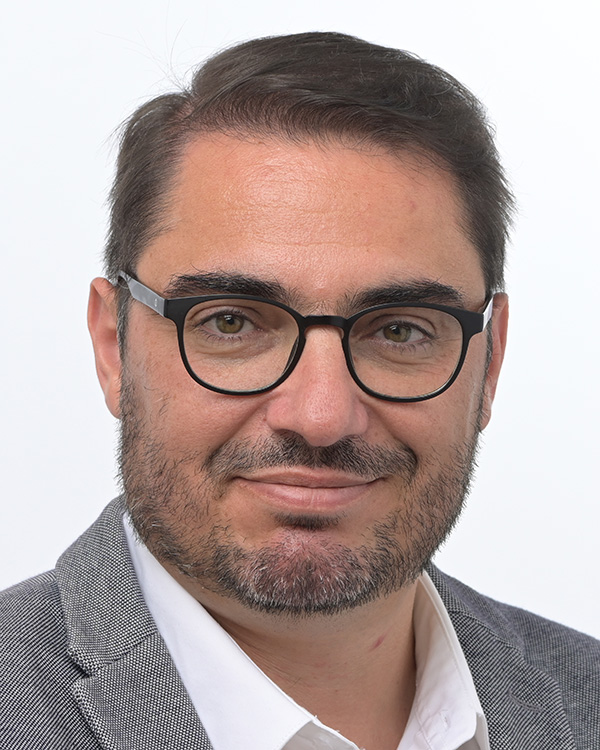
|
João OLIVEIRA | Portugal PT | The Left in the European Parliament (GUE/NGL) | 195 |
| 5 |
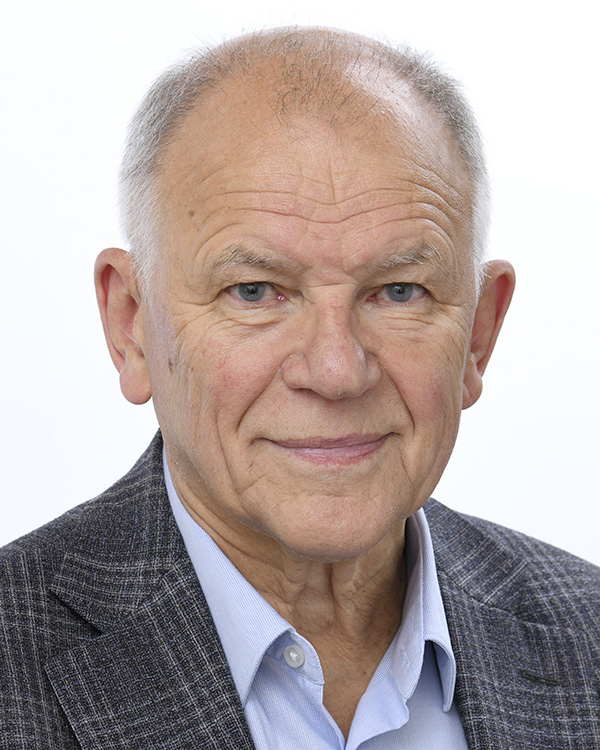
|
Vytenis Povilas ANDRIUKAITIS | Lithuania LT | Progressive Alliance of Socialists and Democrats (S&D) | 183 |
All Contributions (35)
 A new action plan to implement the European Pillar of Social Rights (debate)
Date:
22.01.2026 10:12
| Language: ES
Madam President, Madam Vice-President, I want a Europe that protects, that offers living wages, that guarantees housing and in which children are not condemned to poverty. The new action plan should serve to correct errors and reinforce it. It cannot be a catalogue of good intentions. We need guaranteed rights and sufficient funding to achieve the results. Just this week, the International Monetary Fund warned of a tsunami in the labor market. 40% of posts are already affected by artificial intelligence; in advanced economies, up to 60%. Without rules and guarantees, this change does not mean progress or better wages, but precariousness, inequality and insecurity. The new plan should ensure inclusive employment. We need to fight ageism and age discrimination; a plan that strengthens solidarity between generations and improves the working conditions of carers. The care economy is essential. This new action plan should be a qualitative leap forward: move from big words to clear commitments. Without cohesion there is no Europe, Madam Vice-President.
Preparations for the EU-India summit (debate)
Date:
21.01.2026 17:13
| Language: ES
Madam President, I take this turn to make a wake-up call to all those colleagues who voted today to weaken Europe, sending a message of weakness to our trade and political allies. To paraphrase Canadian Prime Minister Carney, the question for Europe is not whether we adapt to this new reality, the question is whether we adapt by building higher walls or whether we try to do something much more ambitious and novel. The EU-India Summit is about that, it is an opportunity to close the fringes of the trade agreement that we have been working on for years. But above all, it is the opportunity to send a powerful message that we can build a different world in parallel to the United States, Russia or China. We must build bridges between everyone else, seeking what unites us and putting aside everything that has separated us so far. We Europeans are a reliable partner and loved by many countries. We must take advantage of it. Let's have self-confidence and vision for the future. And, above all, let's not waste time.
The urgent need to combat discrimination in the EU through the horizontal anti-discrimination directive (topical debate)
Date:
17.12.2025 13:23
| Language: ES
Madam President, Commissioner, the rise of intolerance and extremism is leading to a rise in discrimination. Hate speech and prejudice are the order of the day. We are certainly living in very dark times, and Europe is the only hope for many people, that is why the need for the horizontal anti-discrimination directive. Women, migrants and people with disabilities, among many other groups, deserve Europe to resolutely combat all discrimination. Most of these groups – it is true – already have specific anti-discrimination strategies in place by the Commission, except for one: the elderly. They remain unprotected: their voices don't count and their lives don't matter. This Directive is a guarantee for older people to have more protection of their human rights. I therefore call on the forthcoming Council Presidencies and the Council as a whole to listen to this Parliament and put all their efforts into unblocking this proposal. Delaying their approval is denying equality to millions of people, and we can't wait any longer.
Fishing opportunities 2026: ensuring the sustainability of fish populations, marine ecosystems and coastal communities
Date:
26.11.2025 19:05
| Language: ES
No text available
EU strategy for the rights of persons with disabilities post-2024 (debate)
Date:
26.11.2025 16:54
| Language: ES
No text available
Implementation of the EU-UK Trade and Cooperation Agreement (debate)
Date:
26.11.2025 14:52
| Language: ES
No text available
Political situation in Myanmar including the humanitarian crisis of the Rohingya (debate)
Date:
25.11.2025 21:34
| Language: ES
Madam President, Commissioner, we must condemn the continuous and permanent violation of human rights that the Junta has been carrying out since the coup d'état in 2021: against the Rohingya especially, but also against other ethnic and religious minorities. We must reject an illegitimate electoral call of the Junta, made in clear violation of democratic principles, with persecutions, massive displacements and continuous arbitrary detentions. We must denounce it because the Board, with these elections, what it seeks is to legitimize itself, and there are countries willing to help it. And the only credible path to peace and democracy is through an end to violence and the devolution of power to a transitional civilian authority that restores democratic institutions and legitimate civilian leaders. To recognize these elections would be to betray our values and abandon the people of Myanmar. That is why the international community must stand firm. Without freedom, without rights and without guarantees there is no legitimate choice possible.
Establishment and functioning of European Works Councils - effective enforcement (debate)
Date:
08.10.2025 15:54
| Language: ES
Madam President, in these uncertain times, workers need guarantees to protect their jobs. And the proposed reform is going in the right direction. Above all, I would like to thank the rapporteurs for their excellent work. This new business culture, which should prevail in these times, must have the voice of the workers, with the role of the unions to succeed in the disruptive transitions we face. Unfortunately, the Spanish PP, once again, does not understand what democracy is and in my opinion I do not think it knows very well what the work that day-to-day entrepreneurs and workers face. And in my opinion, and in my experience, it is much more successful to navigate crises – be they digital transitions, green transitions or company crises – with a sincere and accurate dialogue between employers and trade unions to address this success. And I also find regrettable the attitude of the employment spokesperson of the Spanish Popular Party, who, being president of the Intergroup on Social Economy and Services of General Interest, I think should step aside because she does not believe in the participatory democracy of workers in companies. Because the social economy, cooperatives, precisely go from that and have demonstrated their success and resilience in a time of crisis that they have had so far.
Time to complete a fully integrated Single Market: Europe’s key to growth and future prosperity (debate)
Date:
07.10.2025 08:18
| Language: ES
Madam President, Europe must move forward, Commissioner. As Letta says, with more market integration, yes. But also with more common public policies that guarantee social Europe. Therefore, more integration, yes. But also more social Europe. We must combine the risks and opportunities to advance the competitiveness of our economies and our businesses. But it cannot be done at the expense of Europeans' rights, of labour rights. The commissioner quotes Jacques Delors. Well, follow their example: economic growth with social progress. Because, if we do not do so, the enemies of the European project will win; the external ones, but above all the internal ones. Populists and the far right. Because we cannot ignore our European citizens in this advance of Europe in the integration of markets and their policies.
Intergenerational fairness in Europe on the occasion of the International Day of Older Persons (debate)
Date:
06.10.2025 17:26
| Language: ES
Mr President, Commissioner, we all know someone who lost his job after fifty years and, today, with more than sixty, he has not found another. And we also know young people who are denied a decent first job opportunity because they lack experience. Ageism affects both and we still live life in thirds: third of training, third of work and third of retirement. But now we live longer. Therefore, we must be permanently trained, because jobs are transformed and cannot be set aside simply because we are years old. We must defend healthy and active longevity. We must combat ageism, which is also the only discrimination that does not have a European strategy. In employment, ageism drives out adults and young people when we should bet on intergenerational teams in companies. In housing, young people cannot afford a first home and many older people are isolated in their homes due to lack of adaptation. In caregiving, many young families do not reconcile work because they have to take care of their elders or their little ones. Many older people suffer from a lack of access to complete health, as seen in the pandemic, where many were evicted simply because they were older. We must unite young and old: their political participation and voice are key to building a stronger European democracy. Commissioner, with the International Day of Older Persons at the heart of this debate and with your strategy of intergenerational equity as a framework, we can work to ensure that this is a guarantee of rights for older people and, at the same time, also serves as an intergenerational pact uniting and creating networks of solidarity between generations.
Implementation report on the Recovery and Resilience Facility (debate)
Date:
17.06.2025 12:15
| Language: ES
Madam President, I thank the rapporteurs for their work and for taking into account the opinion of the Committee on Employment and Social Affairs. We are at a crucial moment for the future of Europe and it is essential to take stock, but also to project towards the future. The Recovery and Resilience Facility has been our European response to an unprecedented crisis, based on European values of justice, equality and territorial cohesion. It has therefore worked: it has prevented the fragmentation of our internal market and has helped to reduce economic and social divergences between states. Inclusive reforms, such as those in Spain, have reduced poverty and created quality jobs in strategic and emerging sectors like never before. It has helped mitigate the social impact of the pandemic, protecting jobs and businesses and improving the situation of the most vulnerable, including young people and people in rural areas. Therefore, another Europe is possible: has taught everyone that public investment is not an expense, but a competitive investment for the future of Europe. Recovery and resilience mechanisms are proof that, when we act together, we are much stronger.
European Ocean Pact (debate)
Date:
17.06.2025 09:45
| Language: ES
Madam President, Commissioner, vague promises are not worth it, because it is the future of future generations of our sons and daughters that is at stake. The Pact is a step in the right direction to address threats, but it needs to contain more concrete measures for fishermen. It is important that the Pact puts small-scale fishermen at the centre, addressing their real challenges, which are none other than generational renewal, fishing capacity and overfishing by third countries. The aim is to protect, promote and provide fishermen with sufficient means to improve the competitiveness of the sector, betting on fishing activity, increasing the sustainable production of fishery products, while protecting the oceans and supporting the economic development of our coastal communities and their traditional way of life. For socialists it is an opportunity, but only if we provide it with concrete measures and with sufficient funding. This issue should not have ideologies because it is a matter of survival: It is the future of Europe that is at stake.
Preparation of the EU-UK summit (debate)
Date:
05.05.2025 16:24
| Language: ES
No text available
Topical debate (Rule 169) - Social Europe: making life affordable, protecting jobs, wages and health for all
Date:
02.04.2025 12:37
| Language: ES
Mr President, Commissioner, the social Europe that makes us unique and that we must preserve has been built as a safety net for people. But today we have a key challenge: how to respond to the loss of purchasing power and the increased risk of exclusion in Europe? One hundred and twelve million people are at risk of poverty or social exclusion. Too many people today face difficulties to reach the end of the month, suffer from job insecurity and low wages and cannot access housing. And those who suffer most are young people, women and migrants. And for people to live safely we don't need survival kits with matches and batteries. We need decent work with fair wages, housing and strong public services such as public health and education, which allow us to revive the social elevator and give equal opportunities to all people in Europe.
Union of Skills: striving for more and better opportunities to study, train or work in the EU and to bring our talents back home (debate)
Date:
12.03.2025 14:43
| Language: ES
Mr President, Madam Vice-President, the dispute over attracting talent is today the big battle, because talent is a strategic priority of the European Union if it wants to remain globally competitive. Investing in people means investing in our future and in the competitiveness of our companies in a world full of threats. Vice-President Mînzatu has clearly pointed out the task: we need to develop a strong lifelong learning system that ensures that workers always have the right skills and thus guarantee quality jobs. We must improve reskilling and upskilling, driving the green and digital transitions. This task requires a strong commitment to social dialogue, betting on a Just Transition Directive to be able to anticipate changes in a constantly changing environment. We must also ensure the free movement of workers within the single market, recognising their qualifications, and be able to attract and retain talent in Europe. We will achieve this by offering good jobs, decent working conditions, good wages and professional development. But for this initiative to succeed, it is crucial that the European Commission proposes a Directive on the right of workers to training in order to ensure that right to paid training and education related to work and during working hours. Our future – the future of the European Union – is ensured through quality training and education. Let's invest in our citizens to build a fairer, more sustainable and more competitive future.
European Semester (joint debate)
Date:
12.03.2025 08:34
| Language: ES
Mr President, Madam Vice-President, what we are adopting today is not just another report because we are at the beginning of the new multiannual financial framework and, at this critical moment for Europe, we need a clear vision combining economic prosperity and social justice. I would like to stress the importance of further developing the European Pillar of Social Rights. This must be our compass, the One Who Guides all our policies. It is essential to move forward in a framework that allows for greater protection of workers' rights, better working conditions and a commitment to social dialogue. If the green and digital transitions are to be successful, retraining and upskilling of workers is necessary, with a particular focus on young people, women, the elderly and people with disabilities. We must fight poverty, especially child poverty, and ensure affordable housing because we need to take care of people's physical and mental health. All these aspects are fundamental. The signal we must send as a Parliament is a clear commitment to social Europe.
Clean Industrial Deal (debate)
Date:
11.03.2025 20:24
| Language: ES
Madam President, people are the key to the success of any European industrial action plan. Investing in people is investing in the competitiveness of our economic and industrial model. Our goal must be to continue working for quality jobs, with fair wages and good and safe working conditions. Last week we met the proposed Union of Skills, called to ensure a European citizenship trained and prepared through reskilling and upskilling to respond successfully to the digital and green transitions. We need funds to support workers and businesses in their transition to a clean and digitized industry. And if this process is to be carried out successfully, it must be done through social dialogue with the social partners. It would therefore be necessary to have a Just Transition Directive to anticipate these transition situations.
Boosting vocational education and training in times of labour market transitions (debate)
Date:
11.02.2025 14:05
| Language: ES
Madam President, Madam Executive Vice-President, in this Parliament lately we have only heard about the competitiveness of companies and productivity, and they forget what is important: The key is the people, those we all represent. And I also want to tell you that training is a right. Investing in people, a dual vocational training more oriented to the economic reality, a first decent work experience - I am thinking above all of young people and the quality of their first job - ... is the key to making Europe more competitive because its companies will be, and productivity always increases with training. We need a commitment from employers to the training of their workers, which increases their productivity, but avoids future layoffs when they have to face changes in their businesses. Agile public-private dialogue in the design of appropriate retraining and upskilling is the key to ensuring decent jobs, with good wages and good working conditions. The best guarantee for people is that we can offer training for the green and digital transitions especially to those with low educational levels and particularly vulnerable groups, with a special focus on women.
The need to address urgent labour shortages and ensure quality jobs in the health care sector (debate)
Date:
11.02.2025 13:22
| Language: ES
Mr President, Commissioner, we are having a crisis of health and care workers in Europe, and this is mainly due to the ageing of staff and also the abandonment of the profession. To cope with this situation it is necessary to recruit new professionals and also be able to retain those we have. To do this, it is clear, it is necessary to improve their working conditions and manage the workload much better, with greater flexibility so that they can reconcile their work life and their personal life, and this will review the working hours, because professionals are working more hours than they are supposed, and it also goes from salaries. A fair salary is another key to retaining and attracting new professionals. And today, which we will also talk about mental health later, I do not want to forget the fact that about 70% of European health workers suffer from symptoms of poor mental health, deal with depression and anxiety, and let us not forget that many also suffer violence and aggression in their workplace. That is why I call on the Commission and the Member States to ensure a sufficient budget so that health and care workers can provide care...
Addressing EU demographic challenges: towards the implementation of the 2023 Demography Toolbox (debate)
Date:
22.01.2025 14:47
| Language: ES
Mr President, demographic change is the result, above all, of the success of public health. But Europe today is not prepared for the impact of ageing on employment, housing, health, long-term care and the social, economic and political participation of older people. So far, this issue has been addressed in a piecemeal way, in watertight compartments, and with well-intentioned documents, strategies or sets of proposals, but which have proven ineffective in achieving our objectives. That is why, in addition to the fact that we must review the strategies we have and that we must continue to fight against this inequality and against the ageism that nests between us, it is time that we seriously, from this Parliament, demand that the new European Commission draw up a comprehensive ageing strategy, which guarantees us that we will be able to respond successfully to the tremendous challenge before us and that, in addition, we can do so with an intergenerational view of young and old for a European Union with a future.
Need to update the European strategy for the rights of persons with disabilities (debate)
Date:
19.12.2024 09:06
| Language: ES
Madam President, Commissioner, at Disability Week we discussed and analysed the situation in Europe and concluded that we can actually do much better. We all recognise as a major step forward the adoption of the European Strategy in 2021, with all its actions and objectives, but we have also seen that it has not been possible to implement concrete actions that really transform the lives of people with disabilities as regards access to accessible housing, easy mobility, real non-discrimination and, above all, decent employment that guarantees them an independent life. Therefore, it would not be understood that the Commission does not propose new concrete actions for the remainder of the Strategy and does not review some of the existing actions that have not yielded the desired result. We must guarantee equal opportunities to the more than 100 million people with disabilities living on our continent, with proposals such as the creation of a European disability agency, a guarantee of training and employment for people with disabilities in the way that exists as a Youth Guarantee, and so many other proposals. I ask the Commission, please, to move the record, to be courageous in setting up the necessary measures.
Challenges facing EU farmers and agricultural workers: improving working conditions, including their mental well-being (debate)
Date:
18.12.2024 17:18
| Language: ES
Mr President, Commissioner, it is clear that working conditions, health and mental health are closely linked. The primary sector is under a lot of stress. It suffers from aging, seasonality and temporality. And it has – we also know – very difficult generational renewal, and this threatens its long-term viability. We must therefore be able to guarantee good working conditions if we want to make it attractive. The Socialists have already taken a very important step in the last reform of the CAP by including social conditionality to access this aid. However, from the public we must offer and demand training in the prevention of occupational risks and psychosocial risks, and we must recognize occupational diseases in this sector. If farmers do not feel cared for or cared for by institutions, tensions will continue to arise and the gap between rural and urban areas will continue to widen. Agricultural activity needs to be enhanced and public employment services should promote the creation of pockets of workers trained to cover seasons, sick leave, maternity and paternity leave, and holidays. Because, yes, workers in the agricultural sector also have labor rights.
Tackling abusive subcontracting and labour market intermediaries (debate)
Date:
18.12.2024 15:25
| Language: ES
Mr President, mobile and migrant workers are essential for the proper functioning of our internal market. But experiences such as COVID and labour market schemes, involving undeclared work or abusive subcontracting, clearly point to the vulnerability of these workers. The number of infringements detected demonstrates the value of the European Labour Authority, but also the need for further stronger actions to make this agency more recognised and more effective. Therefore, in this mandate we must prohibit abusive subcontracting and limit subcontracting chains, establish joint and several liability of the main companies, regulate intermediaries in a transparent European register and also strengthen the role of the Authority, that is, expand the rights of workers and their social protection, especially those who are mobile and posted.
Promoting social dialogue and collective bargaining and the right to strike in the EU (debate)
Date:
18.12.2024 14:30
| Language: ES
Mr President, Commissioner, this Parliament is committed to promoting social dialogue, collective bargaining and the right to strike. Trade union action is always complicated, but today we have new difficulties added. There is a fierce campaign of attack on the trade union movement that is taking place from economic, political and media sectors. And don't be distracted. Behind these discourses, the subtle legislative changes that are suggested, the objective is clear: to eliminate the role of trade unions as collective representatives of workers. It is done from different fronts, from those who question the representativeness or the financing of the unions, or the very existence of people dedicated to unionism exclusively. And I go back to the beginning: We must not lose sight of things. We are suffering an attack on the waterline of the last trench they have left to take down the big ones. lobbies economic.
Urgent need to tackle the gender pay gap (debate)
Date:
26.11.2024 20:03
| Language: ES
No text available