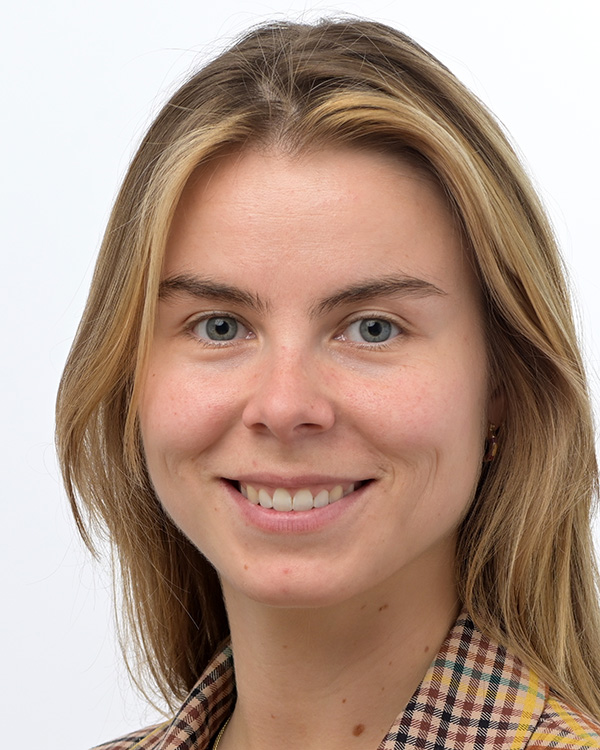
 Debate contributions by Anna STROLENBERG
| Rank | Name | Country | Group | Speeches | |
|---|---|---|---|---|---|
| 1 |

|
Lukas SIEPER | Germany DE | Non-attached Members (NI) | 321 |
| 2 |
|
Juan Fernando LÓPEZ AGUILAR | Spain ES | Progressive Alliance of Socialists and Democrats (S&D) | 280 |
| 3 |
|
Sebastian TYNKKYNEN | Finland FI | European Conservatives and Reformists (ECR) | 247 |
| 4 |
|
João OLIVEIRA | Portugal PT | The Left in the European Parliament (GUE/NGL) | 195 |
| 5 |
|
Vytenis Povilas ANDRIUKAITIS | Lithuania LT | Progressive Alliance of Socialists and Democrats (S&D) | 183 |
All Contributions (33)
 Recommendation to the Council on the EU priorities for the 69th session of the UN Commission on the Status of Women - EU priorities for the 69th session of the UN Commission on the Status of Women (joint debate - EU priorities for the upcoming session of the UN Commission on the Status of Women)
Date:
19.12.2024 10:18
| Language: EN
Mr President, last year, the UN reported that it would take around 300 years before we reach gender equality. That would mean that I will never experience it. If I have a daughter, she won't experience it. Her daughter neither. It will mean that only my great-great-great-great-great-great-great-great-granddaughter would experience gender equality, and I think that's ridiculous. We can change this. We stop in this way – three things that we can do. First, let's invest in training and education for our women and girls so they can become the future leaders of the green and digital transition. Second, let's invest in women's health, because women are too often misdiagnosed, and we should make sure that they have access to sexual and reproductive health rights. Three: let's fight gender‑based violence both offline and online. Social media platforms should take their responsibilities. We can only do so if we have the support of civil society organisations, so they should receive sufficient funding. Commissioner, I count on your support.
Challenges facing EU farmers and agricultural workers: improving working conditions, including their mental well-being (debate)
Date:
18.12.2024 16:53
| Language: EN
Mr President, dear colleagues, I want to talk about a too often neglected group of farm workers: migrant workers. At least 2.4 million migrants work tirelessly to put the fruits and vegetables of Europe on our tables. Although a lot of farmers that I have talked to take good care of their people, research shows from Oxfam and the University of Comillas that many problems still occur. Migrant workers face systemic violation of both labour and human rights. They are paid below minimum wage. They are subjected to unsafe conditions, like being exposed to pesticides, and they often live in squalor. Women are especially vulnerable, earning less than men and sometimes enduring sexual harassment and violence. Exploitation spans across Europe, from Sweden to Spain. What can we do within Europe? We must enforce the directive on corporate social responsibility and we need to implement a stronger conditionality in the Common Agricultural Policy. This way, we can ensure that every worker is treated with the fairness and respect that they deserve.
Situation of female politicians in EU candidate and neighbouring countries facing harassment and cyber violence (debate)
Date:
17.12.2024 20:36
| Language: EN
Mr President, the freedom fighters of the 21st century are women. Take Moldovan President Maia Sandu and Georgia's president Salome Zourabichvili. Both leaders stand strong despite Russian disinformation attacks against them. And listen to the women of Afghanistan who refuse to be silent, risking imprisonment, violence and even death. Around the world, women are challenging authoritarian regimes and fighting for democracy. However, female leaders, journalists and activists, they face attacks based on their gender. And in Moldova, this information was used to undermine the presidency, the leadership of President Sandu, claiming she is too weak to lead and protect her country. These gendered attacks are often spread by pro-Kremlin actors. They argue that feminism oppresses men and destroys families. It is used to convince citizens to reject a Western European future, and to pull countries back into Russia's influence. This information against female politicians has become a weapon used to destroy the democratic process, and combating this is not just a women's issue, it is a fight for democracy itself. This fight requires action both online and offline. Social media platforms need to take responsibility, and we must protect and support all those female freedom fighters standing up for democracy.
International Day for the Elimination of Violence against Women (debate)
Date:
25.11.2024 17:20
| Language: EN
Mr President, 98 % of the deepfake videos nowadays are pornographic videos and 99 % target women. Online gender‑based violence is rapidly expanding, so if we talk about gender‑based violence, we sadly must talk about online gender‑based violence as well. But there are things we can do to change this. First of all, we must hold tech companies and social media platforms accountable. We need stronger content moderation. We need to make sure that when complaints are filed, we need transparency on how they are treated, and we need to rebalance the freedom of speech and avoiding harm. And I feel strongly about this because I don't want Musk to decide what is appropriate behaviour and what is not. But legislation alone is not enough. Online violence reflects deeper societal misogyny, sexism. Without tackling these problems, we will only apply temporary fixes for a systemic problem. Lastly, I want to address the men in the room. I have three colleagues that I want to thank because they stood up for the women, but in general, we miss your voices. You need to stand with us to fight this fight because it is a problem for all of us.
International Day for the Elimination of Violence against Women (debate)
Date:
25.11.2024 17:15
| Language: EN
I heard several times our colleagues here addressing that migrants are the problem of violence against women. Although we know, so often all the research shows, that violence is often caused by the people close to us. The European Institute for Gender Equality shows that 70 to 80 % of all the violence against women is caused by someone close to us. And also the case in France, the Pelicot case, shows this again. So how do you explain your logic in this?
Strengthening the security of Europe’s external borders: need for a comprehensive approach and enhanced Frontex support (debate)
Date:
09.10.2024 15:08
| Language: EN
I think there are two things we have to do. First, you have to make sure that asylum seekers always can enter here if they are in need of protection. So you need to have procedures for them to come. If we're going to make our borders tougher, people will find other routes; people that are in need. And it's going to only be more dangerous. We're going to push people in the hands of smugglers. On the other hand, we can work on more labour migration. All the visa procedures, everything we do on labour migration is so divided. So if we first harmonise that, then we can actually see how we can attract talent and make sure that people integrate well.
Strengthening the security of Europe’s external borders: need for a comprehensive approach and enhanced Frontex support (debate)
Date:
09.10.2024 15:06
| Language: EN
Mr President, this morning, Viktor Orbán addressed this Parliament and he said that we should stop migration because it causes violence against women, homophobia and anti-Semitism. My colleagues here on the right applauded him loudly. Honestly, it makes me sick to hear even more applause, and it makes me sick to hear the way that we talk about migrants nowadays, because Member States are so caught up in a race to make our borders tougher, with more surveillance, more detention centres and talk about opt‑outs. But instead, we should not ignore the fact that more people are dying. Last year was the deadliest year on record for migrants, with nearly 8 600 deaths. Pushbacks and human rights violations are at our border and they are becoming a routine also under Frontex's watch. Yes, we do have challenges, but making our borders more lethal won't help us solve them. Let's work on harmonised border management, legal pathways and a fair and efficient asylum procedure.
Need to prevent security threats like the Solingen attack through addressing illegal migration and effective return (debate)
Date:
16.09.2024 18:23
| Language: EN
Madam President, pushed by the far right, fear and anti-immigration rhetorics have once again dominated the political agenda. I understand the outrage following the brutal stabbings in Solingen. The anger is real. It is up to us Europeans to decide how will we react to this. Do we fall victim to populist narratives dominated by deportations and border controls, or do we create serious solutions? Depicting migrants as a threat to national security is not going to make us safer. Installing border controls is not going to make us safer. Instead, it will create cracks in our Union by growing distrust between our countries. So what can we do? Stand firm against the closure of our borders, improve integration policies and grant access to jobs, housing and education, and strengthen cooperation between our security services to keep our citizens safe. If we put aside personal interests, we can build a stronger, safer and more united Europe.