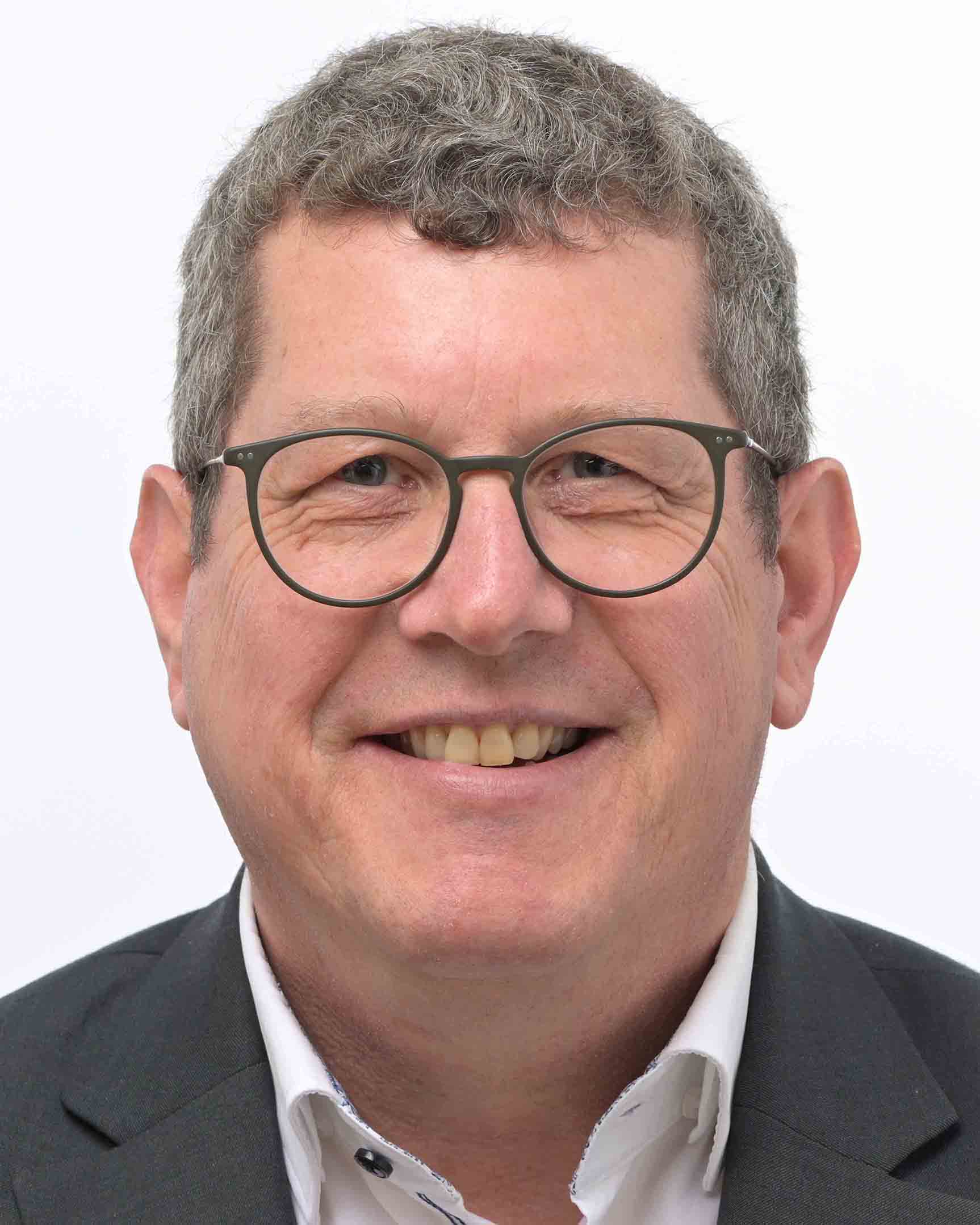
 Debate contributions by Stefan KÖHLER
| Rank | Name | Country | Group | Speeches | |
|---|---|---|---|---|---|
| 1 |

|
Lukas SIEPER | Germany DE | Non-attached Members (NI) | 321 |
| 2 |
|
Juan Fernando LÓPEZ AGUILAR | Spain ES | Progressive Alliance of Socialists and Democrats (S&D) | 280 |
| 3 |
|
Sebastian TYNKKYNEN | Finland FI | European Conservatives and Reformists (ECR) | 247 |
| 4 |
|
João OLIVEIRA | Portugal PT | The Left in the European Parliament (GUE/NGL) | 195 |
| 5 |
|
Vytenis Povilas ANDRIUKAITIS | Lithuania LT | Progressive Alliance of Socialists and Democrats (S&D) | 183 |
All Contributions (6)
 Common agricultural policy (joint debate)
Date:
07.10.2025 14:34
| Language: DE
Madam President, Commissioner, ladies and gentlemen, Today's joint agricultural debate holds light and shadow. On the one hand, I feel joy: I am positive that Parliament's positions on the common agricultural policy bus can be adopted. The content is good, and the flexibility in the regulation of permanent grassland is also important for us farmers in Bavaria. We must now quickly see that we come through the trilogue so that the simplification of the multiple application next year will also reach the farmers and that they will notice it. And above all, it is important that we continue with simplification, not just with the CAP. But I also see disillusionment and disappointment, because from the outset I was critical of the proposal to amend the common organisation of the market. Dear Christopher, your intentions are good. The situation of farmers needs to be strengthened. But it cannot be that we undermine existing systems such as the cooperative system in Germany with written contracts. For example, German dairy farmers currently have 2 to 3 cents higher milk prices than in France, where Article 148 is already being implemented. That's why we need to be careful that curbing abuse, which sounds so great, doesn't lead to bureaucracy so quickly. After all, the data for production costs must be determined and farmers must supply it again. That is why I am against the written compulsion of written contracts. I am against this coercion and will therefore vote against it.
Post-2027 Common Agricultural Policy (debate)
Date:
10.07.2025 08:33
| Language: DE
Madam President, Commissioner Hansen, dear Christophe! In less than a week it's time: Then you will present the proposal on the Common Agricultural Policy after 2027. Since last fall, the rumor kitchen has been buzzing about what your plans might look like. Our farmers are facing insanely great challenges – it has been mentioned here many times – and we simply cannot leave them alone. That is why I would like to underline once again that we absolutely need an independent, strong agricultural budget with sufficient resources. Agriculture, not defence, is at the heart of EU policy and we are working well together to simplify it. I was elected as a farmer to raise my voice aloud here in the European Parliament, and I do not want to be deprived of that voice by restructuring agricultural funds. I ask you to really take this to heart! As farmers, we have already shown: If we don't agree, there's no fun with us.
The European Water Resilience Strategy (debate)
Date:
06.05.2025 17:35
| Language: DE
Madam President, Commissioner! Water is our livelihood, without water humans and animals and nature cannot live. This makes a responsible and resource-saving handling of this valuable asset all the more important. I therefore welcome the active work on water resilience at EU level. However, this issue must not be seen from a single point of view alone. Considerations on this need to arise from both the environmental and agricultural perspectives. Agriculture, of course, consumes water – and it can, because our supply of good, safe food depends on it. But in my experience, farmers do their best every day to produce these products in a resource-saving and thus also water-friendly way. I hope that this valuable contribution will be recognised. I am convinced that agriculture lives a conscientious and responsible use of natural resources and can be a role model for all of us.
A Vision for Agriculture and Food (debate)
Date:
13.03.2025 09:38
| Language: DE
Mr President! Dear Commissioner, thank you very much for your vision, which provides very good approaches for the future and finally shows the appreciation that agriculture needs. But a vision, these are just ideas for the future. When I talk to farmers – and you said you have already visited many countries – they just want to see action now, they want to push for implementation: I'd like to encourage you. And what do we need for a strong implementation? We need a strong budget, as has been said many times today, but we also need innovation and research and, above all, facilitation, which you are about to launch; I am also grateful that we have a strong Commissioner for this. Let's quickly approach and implement the vision together! I assure you of my personal support, but also that of our group.
Challenges facing EU farmers and agricultural workers: improving working conditions, including their mental well-being (debate)
Date:
18.12.2024 17:21
| Language: DE
Mr President! Dear Commissioner, Financial worries, deadline pressure, too little sleep and a mountain of paperwork and bureaucracy, the stress level simply rises. Does that seem familiar to you? Stress is a major risk factor in the development of mental illness. In 2023, mental illness was the most common reason for farmers to receive a disability pension in Germany. Around 25% of farmers are at risk from anxiety and burnout, and one in three even struggles with depression. It is very important that we talk about it today. If farmers are looking for help at all, it is often very late. For many, business comes first. They engage in overexploitation of their own bodies. That can't go on like this! We need a concrete roadmap to improve working conditions in agriculture – for all stakeholders. Less reporting and reporting obligations, targeted financial support, but above all reasonable remuneration and, above all, social appreciation – all this must finally come to the table. This takes noticeable pressure, provides air to breathe again. Only in this way can we counteract this development.
Outcome of the Strategic Dialogue on the Future of EU Agriculture (debate)
Date:
16.09.2024 16:44
| Language: DE
Mr President, Commissioner, 2024 has started with a wake-up call that had it in it. In Bavaria, Germany and Europe, farmers took to the streets and had only one message: Enough is enough! And it is not just this environmental requirement, but it is the many shortcomings of the legislation. In some cases, we are required to specify when changeover times have to take place, how much has to be set aside or when seeding times have to be carried out – despite the fact that two thirds of our farmers in Bavaria have recognised vocational training and then still have state training. This has built up frustration and led to the protests. Thank God, the news has reached our Commission President von der Leyen. And the answer came very quickly, with the strategic dialogue on agriculture. It brought everyone involved and stakeholders to the table, and now the results are there. The report does indeed contain good solutions – no doubt – but Ms von der Leyen also said in her candidacy speech that competitiveness is important. This applies not only to the economy and industry, but also to agriculture. And for that we have to take our farmers with us. I would like to suggest that the Commission, together with the new Agriculture Department, do this with the farmers, that it is feasible, practicable and financially viable, and above all that it is voluntary and cooperative and that it is deposited with sufficient money. I would like to suggest that farmers should therefore be consulted, that we really know the problems of farmers and that we do not talk about agriculture in nice rounds with stakeholders. And at the very end, I really have to say: As a policy, we should not presume to suggest to the population how to eat – this is regulated by the market and not by politics.