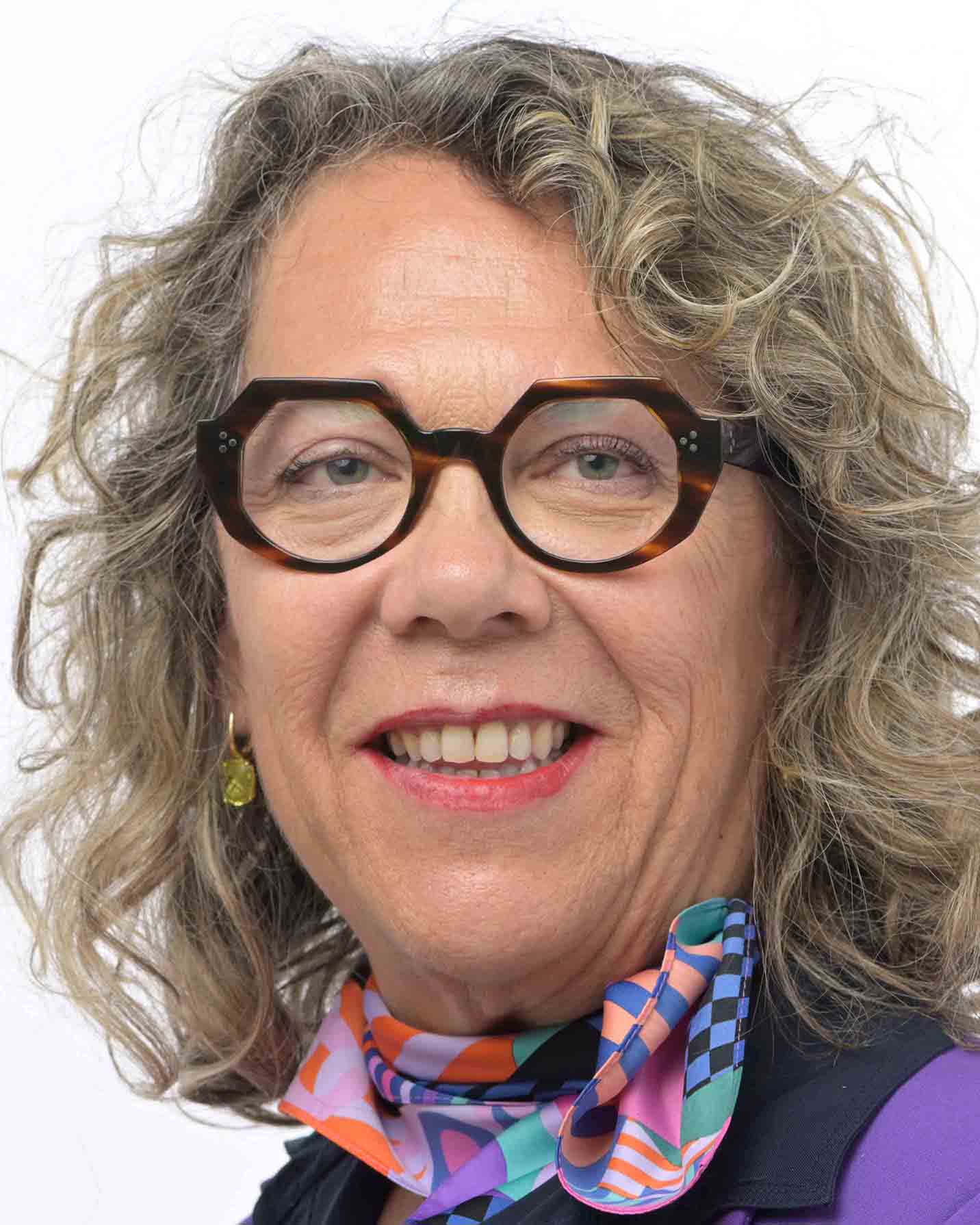
 Debate contributions by Valérie DEVAUX
| Rank | Name | Country | Group | Speeches | |
|---|---|---|---|---|---|
| 1 |

|
Lukas SIEPER | Germany DE | Non-attached Members (NI) | 321 |
| 2 |
|
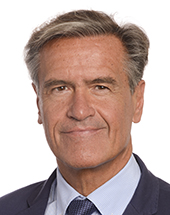
Juan Fernando LÓPEZ AGUILAR | Spain ES | Progressive Alliance of Socialists and Democrats (S&D) | 280 |
| 3 |
|
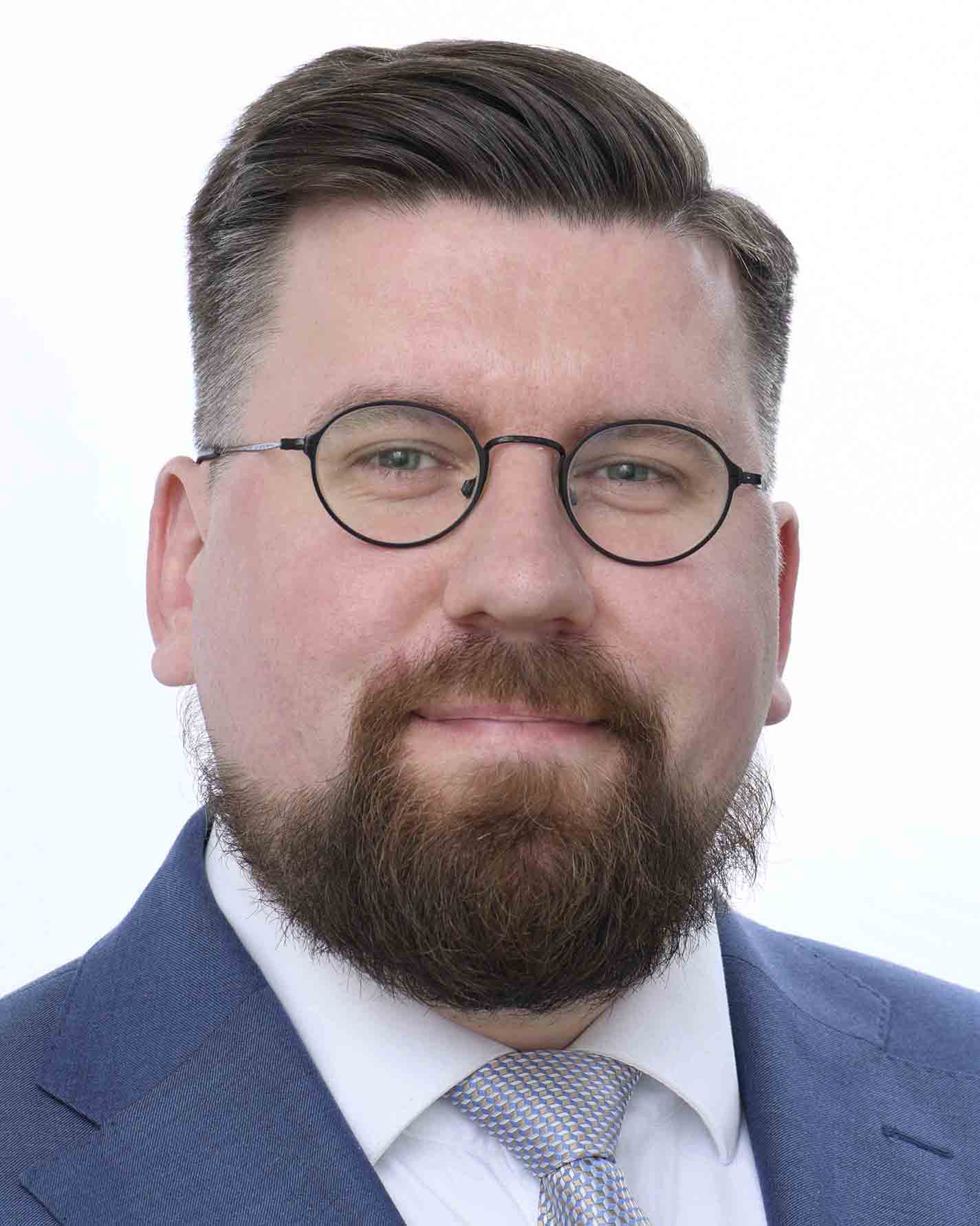
Sebastian TYNKKYNEN | Finland FI | European Conservatives and Reformists (ECR) | 247 |
| 4 |
|
João OLIVEIRA | Portugal PT | The Left in the European Parliament (GUE/NGL) | 195 |
| 5 |
|
Vytenis Povilas ANDRIUKAITIS | Lithuania LT | Progressive Alliance of Socialists and Democrats (S&D) | 183 |
All Contributions (10)
 European Citizens’ Initiative ‘My voice, my choice: for safe and accessible abortion’ (debate)
Date:
16.12.2025 19:26
| Language: FR
No text available
EU Defence Readiness (joint debate)
Date:
16.12.2025 12:52
| Language: FR
No text available
EU strategy for the rights of persons with disabilities post-2024 (debate)
Date:
26.11.2025 16:14
| Language: FR
No text available
Declaration of principles for a gender-equal society (debate)
Date:
09.10.2025 07:30
| Language: FR
Mr President, ladies and gentlemen, today's vote of approval does not mark the end of a process. On the contrary, it commits us to do more together to make concrete changes in women's lives and to oppose any setbacks or obstacles to the exercise of their rights, including the control of their bodies. I think of Gisèle Pelicot, back in court this week, and all the women victims of violence who dare to act so that shame changes sides. Their fight for justice must be reflected in our political decisions. I am also thinking of those who experience cross-discrimination, particularly women with disabilities. The next strategy for the rights of persons with disabilities will have to go hand in hand with this roadmap to ensure equal treatment. And I finally think of helping women who accompany a loved one by often putting their careers in parentheses. We expect an ambitious European care strategy that finally recognises their role and gives them the support they deserve. This roadmap sets a course. It is now up to us to make sure that it truly changes women's lives on a daily basis.
The importance of trans-European transport infrastructure in times of stalling economic growth and major threats to Europe’s security (debate)
Date:
02.04.2025 16:08
| Language: FR
Mr President, Commissioner, ladies and gentlemen, our transport infrastructure is the backbone of our economy. Our ports, our rails, our bridges, our roads are concrete links between Europeans, but our network no longer meets the challenges of the century. Member States are insufficiently connected, which is an obstacle for the mobility of Europeans and goods, but also for the green transition of transport. The European added value is strong with the CEF. In the context of the forthcoming budgetary negotiations, we must ensure both that it is maintained and that its allocation is ambitious. This applies more than ever to military mobility: the ability to deploy troops and equipment quickly is an element of credibility for the Union at a time when we are facing unprecedented threats. Ladies and gentlemen, today we are deciding on Europe's place in the world of tomorrow. Let us rise to the occasion and invest in our future.
Prevention of drug-related crimes, their effect on European citizens and the need for an effective European response (debate)
Date:
09.10.2024 16:30
| Language: FR
Madam President, Commissioner, the Mazan rape trial in France highlights the phenomenon of chemical submission. This scourge is not limited to GHB in nightclubs; it also includes the misuse of medicines. The aggressors are not always strangers; they are sometimes close people, or even very close. Faced with these attacks that too often leave victims, often women, in a state of deprivation, amnesia and loneliness, it is crucial to act. We need to share and deploy best practices to prevent these crimes and effectively support victims across Europe. This includes allowing access to toxicological analyses, without an immediate obligation to lodge a complaint, in order to preserve crucial evidence, as well as training all professionals concerned to detect signs of chemical submission and to quickly refer victims to medical experts. It is also imperative to maintain increased vigilance over online practices, as the Internet is often used to facilitate these crimes. We must provide a firm response to protect women, prevent these crimes and ensure that victims receive adequate follow-up.