 Debate contributions by Hannah NEUMANN
| Rank | Name | Country | Group | Speeches | |
|---|---|---|---|---|---|
| 1 |

|
Lukas SIEPER | Germany DE | Non-attached Members (NI) | 239 |
| 2 |
|
Sebastian TYNKKYNEN | Finland FI | European Conservatives and Reformists (ECR) | 219 |
| 3 |
|
Juan Fernando LÓPEZ AGUILAR | Spain ES | Progressive Alliance of Socialists and Democrats (S&D) | 200 |
| 4 |
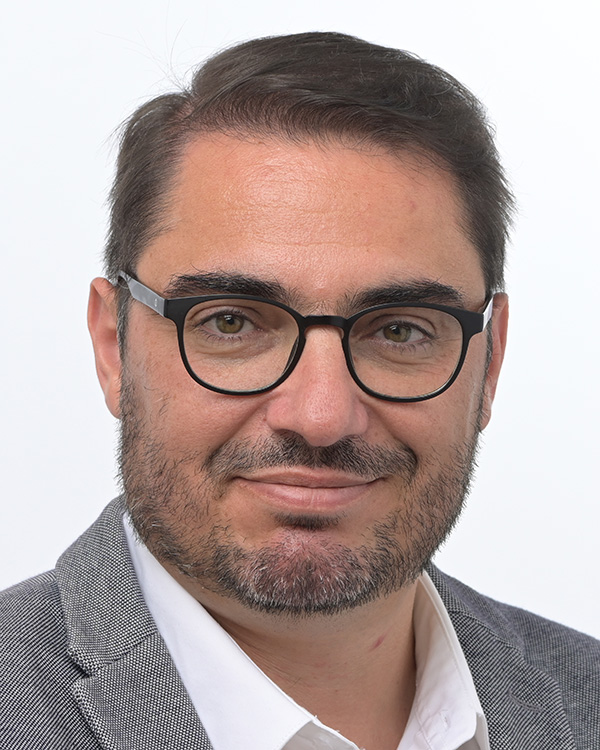
|
João OLIVEIRA | Portugal PT | The Left in the European Parliament (GUE/NGL) | 148 |
| 5 |
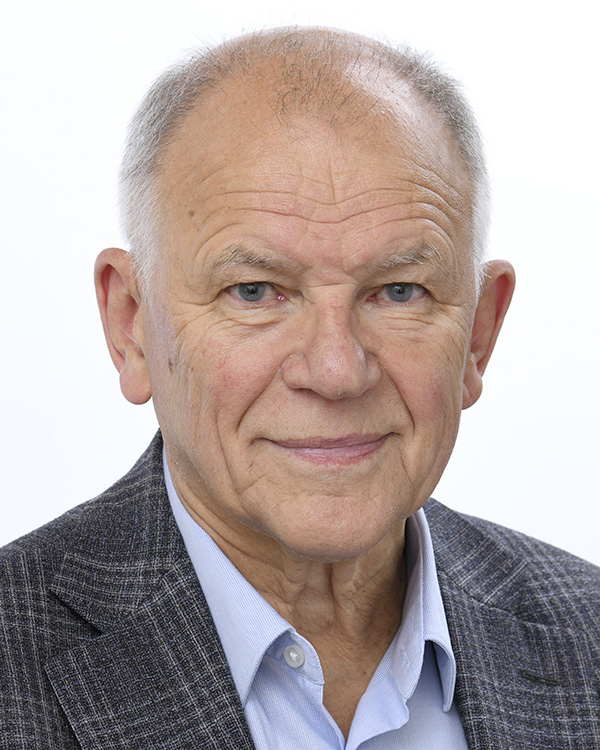
|
Vytenis Povilas ANDRIUKAITIS | Lithuania LT | Progressive Alliance of Socialists and Democrats (S&D) | 146 |
| 6 |
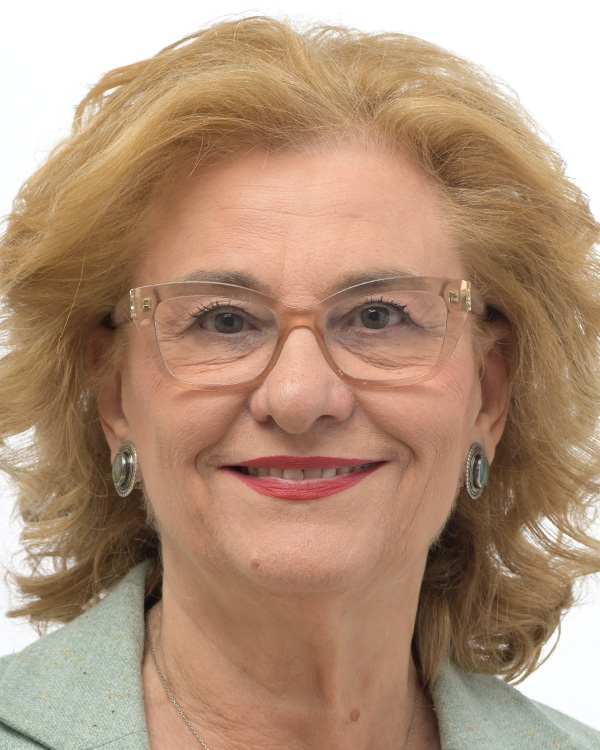
|
Maria GRAPINI | Romania RO | Progressive Alliance of Socialists and Democrats (S&D) | 121 |
| 7 |
|
Seán KELLY | Ireland IE | European People's Party (EPP) | 92 |
| 8 |
|
Evin INCIR | Sweden SE | Progressive Alliance of Socialists and Democrats (S&D) | 91 |
| 9 |
|
Ana MIRANDA PAZ | Spain ES | Greens/European Free Alliance (Greens/EFA) | 87 |
| 10 |
|
Michał SZCZERBA | Poland PL | European People's Party (EPP) | 79 |
All Contributions (40)
 The Universal Declaration of Human Rights: the need for the European Union to contribute to resolving the humanitarian crisis of persons missing in wars and conflicts (debate)
Date:
10.02.2025 19:58
| Language: EN
Mr President, 'Bring out the dead dogs'. That's how prison guards ordered inmates to carry out the bodies of those who died overnight in Sednaya Prison in Syria. What happened to those bodies? Nobody knows. For decades, the Assad regime has used forced disappearances as a tool of repression. More than 100 000 people have disappeared under his rule. Over 100 000 remain missing today. Now, for the first time in decades, there is a real chance to uncover the truth. Syrian experts are already on the ground, documenting crimes, exhuming mass graves, protecting evidence. But they need our support, financially and politically, to fund Syrian civil society working for truth, justice and reconciliation, to press Syria's new rulers to make transitional justice a priority, to strengthen the UN mechanism on missing people, to ensure independent investigations. Because this is the only way to hold perpetrators accountable, to help families find out what happened to their loved ones, and to support Syrians rebuilding a country that heals its wounds and will be a free country for everyone.
Systematic repression of human rights in Iran, notably the cases of Pakhshan Azizi and Wrisha Moradi, and the taking of EU citizens as hostages
Date:
22.01.2025 18:46
| Language: EN
Madam President, Pakhshan Azizi cared for the wounded and displaced in Rojava, helping those fleeing from the brutality of ISIS. Wrisha Moradi fought against ISIS herself on the frontlines in Kobane, defending not only lives but also human dignity. In a normal country, these two would be heroes. In Iran, they face death row. For the first time in years, the regime threatens to execute women political prisoners, and these death sentences are nothing but acts of revenge by the Islamic regime against women, against Kurds and against the ideals of women: life, freedom, self-determination and bravery. Revenge because so many still dare to speak out, and the only response this regime knows is to crush dissent by brutal force. Yes, the henchmen of this regime can imprison people, but this will only amplify the unstoppable call for freedom. Pakhshan Azizi and Wrisha Moradi embody everything this regime fears. (The speaker concluded in a non-official language)
Uniting Europe against actors hostile to the EU: time to strengthen our security and defence (topical debate)
Date:
22.01.2025 12:14
| Language: EN
Madam President, dear colleagues, a 155 mm shell of a German manufacturer can't be used in a French howitzer, making it even more difficult for Ukrainians to defend their country against Russian aggression. That is where we stand, 25 years into the Common Security and Defence Policy. For five years, I have been a Member of this House. We have written strategies, handed out subsidies, backed Member States to cooperate. And their response? Thanks for the money, but leave the rest to us. All of them putting national egoism above the security of European citizens and that of our friends in Ukraine, failing to come together to fix the problems we have. Nowhere is this failure more apparent than in cybersecurity. We are building our digital societies on technology controlled by a man in the White House threatening to annex Canada along with his Nazi‑saluting sidekick. Attribution of cyber attacks? We need to ask the Americans storing our data. Our companies do it in the US. Secure processors? We buy them from the US IT experts. We are lacking 1 million. This, my dear colleagues, is beyond naive. What use are another 4 000 battle tanks if Russians can hack our command and control structure? What use are another 4 000 battle tanks if our elections are manipulated by algorithms of TikTok and X? There is only one response to Russian aggression and to Make America Great Again – it's Europe united, including in defence. When we speak of defence, let's not forget cyber.
Presentation of the programme of activities of the Polish Presidency (debate)
Date:
22.01.2025 11:02
| Language: EN
Madam President, you put security and defence at the heart of the Polish Presidency, Prime Minister. Quite timely, I would say. I have been working on these issues for more than ten years. You even longer. And all this time, we have heard countless heads of state showing up here, speaking of European autonomy, strengthening European defence, a true European defence Union... Well, let me tell you, this House is ready. And we both know that the problem is political will in the Member States. So I'm asking you what I have been asking all these previous heads of state. What competences are you willing to transfer from the national to the European level, so that we will finally walk tangible steps towards this end? And a little spoiler: so far the answer has always been silence. So maybe today is a good moment to change that. It's cheaper and it will make us safer.
Need to detect and to counter sabotage by the Russian shadow fleet, damaging critical undersea infrastructure in the Baltic Sea (debate)
Date:
21.01.2025 15:13
| Language: EN
Mr President, dear colleagues, for too long have we treated the Baltic Sea as a tourist destination, a quiet periphery of Europe. Well, it turns out it's not. Hundreds of vessels of Russia's shadow fleet pass through the Baltic, lacking proper insurance and sailing under ever‑changing flags. These worn‑down, uninsured tankers are creating the conditions for an environmental disaster of unimaginable scale. The recent breakdown of two such ships just in front of the island of Rügen offered us a glimpse of the potential magnitude. These ships are severing energy and communication lines, deliberately attacking the very arteries that connect the European Union. Last week, Europe stepped up. NATO's Baltic Sentry initiative uses advanced drone fleets to patrol and protect critical undersea infrastructure. It is the first NATO mission led solely by European troops and capabilities and it proves that Europe can lead in securing its regions. But we must go further than monitoring: sanction shadow fleet vessels and their owners; ban tanker sales to states undermining the oil price cap; and automatically stop sanctions and uninsured ships entering EU waters. We shouldn't wait for a blackout or an oil spill before we act decisively to protect our waters and our citizens.
Toppling of the Syrian regime, its geopolitical implications and the humanitarian situation in the region (debate)
Date:
17.12.2024 08:17
| Language: EN
(The speaker starts her speech in a non-UE language) 'Get out, Bashar!' That's what Syrians shouted in 2014 and now he is a refugee in Moscow. No one knows exactly what this new time will bring for Syria, but for the first time in decades, my Syrian friends have hope – hope to rebuild their country – and I want the European Union to support them with humanitarian aid, with their fight against impunity and with crystal clear political signals that Europe will support all those committed to a Syrian aid process in the spirit of Resolution 2254. And when we talk to HTS, the message needs to be crystal clear. It's not about protecting women and minorities. It's about building a government where they sit at the table like everyone else. And to get there, dear colleagues, we also need to revisit our debates on asylum, Mr Bardella. While Syrians celebrated the end of Assad's reign, while families were searching in Syria's ruins for their loved ones, some in here had no other thought than how fast can we get rid of Syrians? But, colleagues, can we please remember that Syrians are human beings like you and me? Would you uproot your family right now to bring them to an unstable, violent country? Or would you want to go first and just assess the situation? That's exactly what Syrians want to do and it's in our interest to let them. To build a democratic Syria, we need those that fled Assad on the ground. To rebuild Syria, we need entrepreneurs to invest and travel to the countries and forced returns, dear colleagues, will not happen for another year or two at least. So why don't we let Syrians travel to Syria to sort things out and upon return, decide with their families on the best way to go ahead? Our current asylum rules prevent them to do exactly this. This is why we need temporary exceptions in our interests and in theirs. Dear colleagues, I refuse to give up the hope for a democratic Syria just because some in here fuel toxic asylum debates. Let's stand with Syrians to rebuild the country that heals its wounds and is a free country for everyone.
The increasing and systematic repression of women in Iran
Date:
27.11.2024 18:26
| Language: EN
Madam President, Ahoo Daryaei, like so many women in Iran, was harassed by agents of the regime. They tore her clothes, claiming she was dressed too loosely, and to expose the absurdity of these actions Ahoo stood her ground in public in her underwear. The regime's response? They declared her mentally ill. Now they even plan to open clinics to treat women – to 'treat' women – who refuse to comply with hijab laws. This is not care, dear colleagues, this is repression disguised as medicine. These tactics are not new. In 16th century Europe, women were called 'crazy' and burned as witches. Not because they were dangerous, but because they challenged misogynist power structures. The Inquisition was a tool of defamation and control, and so are the clinics of this regime. But the only one who is sick here is the Islamic regime. Sick with paranoia, terrified of women who dare to show their hair or sing a song. And the only thing that Iranian women are suffering from is being sick of this regime – a regime that crushes their freedom and denies their future. Ahoo Daryaei is not a patient. She is the remedy, a symbol of courage and resistance against repression, like so many others, whose names we don't even know.
Critical infrastructure vulnerabilities and hybrid threats in the Baltic Sea (debate)
Date:
27.11.2024 14:14
| Language: EN
Madam President, two critical data cables destroyed in the Baltic for the second time, with the Chinese vessel nearby navigating incognito – what we are witnessing here is a textbook example of grey‑zone tactics, attacks too small to trigger a full military response, yet too significant and frequent to ignore. And this is a tactic our friends in the South China Sea know all too well. Now, China is testing our limits, and they would advise us to send a strong and united response. Let's not forget China turned the simple transit of a German ship through the Taiwan Strait into a major diplomatic incident. Imagine the outrage if a German vessel had destroyed Chinese infrastructure in the South China Sea. So, dear colleagues, we need to better protect our critical infrastructure, energy, military internet in the Baltic. The NATO Task Force Baltic in Rostock is a first step: robust actions and clear diplomatic consequences need to follow. Far too long, certain political groups in this House have exaggerated perceived threats in the Mediterranean, downplaying the real ones in the Baltic.
Reinforcing EU’s unwavering support to Ukraine against Russia’s war of aggression and the increasing military cooperation between North Korea and Russia (debate)
Date:
26.11.2024 09:24
| Language: EN
Madam President, 12 000 North Korean soldiers are fighting for Russia, sent in exchange for advanced military technology, gaining battlefield experience they might use against South Korea. Russia is buying Shahed drones and missiles from Iran, providing Su-35 fighter jets and support to Iran's nuclear program in return, directly threatening Israel and global security. Russia is recruiting soldiers in Yemen in exchange for weapons the Houthis will use to intensify their attacks on commercial ships in the Red Sea. We have seen bombs smuggled in planes, internet cables destroyed in the Baltic, cyberattacks on government systems across Europe, and a dissident assassinated in the middle of Berlin. Putin has trampled every red line of international law, and we are witnessing a growing alliance among regimes thriving on repression, destruction and death. If we, dear colleagues, want diplomacy, demilitarisation and trust-building to prevail, we must ensure this alliance does not win: does not win this war against Ukraine, nor this war against freedom also fought on European soil. Slava Ukraini! (The speaker concluded in a non-official language.)
Enhancing Europe’s civilian and defence preparedness and readiness (debate)
Date:
14.11.2024 08:36
| Language: EN
Madam President, dear colleagues, floods, droughts, pandemics, cyberattacks, a war at our borders: crises are the new normal. And we can keep fixing problem after problem after problem – leading to collective exhaustion – or finally strengthen our preparedness and resilience. President Niinistö, you wrote an excellent report on how to get there, with 80 proposals all boiling down to: let's do it together or we will fail. And with every day we wait, it will just get more expensive. Keeping household water supplies, building central storage houses: these are the more obvious suggestions. But what has far too long been overlooked is the aspect of cyber, and I am glad that you address it. Just last year, hackers breached the community IT systems in south Westphalia in Germany. That meant no ambulances, no birth certificates, no weddings, no passports, no marriages. Some of these services were blocked for months. Supply chain attacks, ransomware attacks, disinformation: if these things were physical, battle tanks would be in our offices and our bedrooms. State-sponsored cyberattacks, dear colleagues, quadrupled in the last 10 years, and our EU response has not. We have the Cyber Solidarity Act, the Cyber Resilience Act, some directives, but the EU still lacks 1 million cyber experts. And cyber threats know no borders: if one Member State gets attacked, it affects us all. So it's good that we have this report, but the actual work is only about to start. And we need to make it happen here, dear colleagues, because Member States individually will fail.
EU-US relations in light of the outcome of the US presidential elections (debate)
Date:
13.11.2024 17:41
| Language: EN
Madam President, if I ever hear again that we have to be careful that mediocre women don't rise too high, I will only say 'Donald Trump'. This man is not merely mediocre: he is a misogynist, a racist, and a convicted criminal. His behaviour and his policies are nothing short of a declaration of war on women, and he seeks alliances with right-wing men around the world, even here in Europe, in this Parliament, even in my home country, in Germany. And what I expect from a President of the Commission in such a moment is not congratulations. We should take note and then commit to strengthening women's rights in Europe, and to standing with our sisters in the US. We might have to cooperate with Trump, yes, but it's not our job to stroke his ego. We are here to ensure that Europe becomes more independent day by day, and that, in four years, at least Europe is still the land of the free.
Iraq, notably the situation of women’s rights and the recent proposal to amend the Personal Status Law
Date:
09.10.2024 19:35
| Language: EN
Madam President, dear colleagues, forcing a girl into marriage at the age of nine. This is not tradition. This is not religion. This is a crime. Iraq has a proud history of women fighting for equal rights. The Personal Status Law of 1959 was once among the most progressive in the region. Iraq's constitution guarantees that a quarter of parliamentary seats are reserved for women, and women played, indeed, a leading role in the recent protests for social justice and against corruption. But apparently this progress has terrified some men so deeply that they are now trying to bypass those constitutional rights, dragging women back into submission. The proposed amendments to Iraq's Personal Status Law would allow religious leaders to override constitutional guarantees, imposing their own interpretation of sharia law on women, which means legalising child marriage and stripping women of their rights to divorce and inheritance. Civil society has been excluded from consultations, and behind the scenes shady deals are indeed being made along sectarian lines. So let me be very clear: this Parliament and this Union stand with those who assault women's rights in Iraq and everywhere else.
Escalation of violence in the Middle East and the situation in Lebanon (debate)
Date:
08.10.2024 09:11
| Language: EN
Madam President, dear colleagues, as we speak here, we represent nations with deep historic ties to both Israel and Palestine. I'm German. I feel a profound responsibility for the security of those whose parents and grandparents were exiled or murdered by my ancestors. And sitting beside me are colleagues who share close cultural ties to the Palestinian people, burdened by the feeling that for the past decades they have not done enough to protect them. And we all have a choice to make. Will we continue to play into the hands of terrorists and warmongers, accusing each other of antisemitism or double standards, using symbols and rhetoric to provoke, merely echoing the deep divisions and escalating violence in the Middle East? Or will we rise above it? Will we use the different perspectives we inherited and the deep ties we hold to one side or the other as a shared resource to help build the bridges so badly needed. I don't want us to remain stuck, Council after Council, unable to even agree on a statement. I want us to support those who seek an end to terror and violence – and they exist on all sides – and sanction those who fuel the dangerous violence. Because beyond the zero-sum game of brutality and retaliation, there are so many people in Israel, Palestine, Iran, Lebanon, yearning for peace – for peace for their families and for their brothers and sisters in the region. And if we, free from repression and secure, can't even bridge our divides, how can we expect them to do so?
The deteriorating situation of women in Afghanistan due to the recent adoption of the law on the “Promotion of Virtue and Prevention of Vice”
Date:
18.09.2024 15:59
| Language: EN
Mr President, imagine having just given birth to a child in Afghanistan. If this child is a boy, you will have to send him to madrasa, where he will be taught to look down on women, wage war against infidels and be moulded into yet another soldier of the Taliban. If this child is a girl, she'll be forced under a veil by the time she turns six or nine, banned from going to school, disappearing into invisibility – a ghost, an unexisting species unable to speak outside the house, unable to leave the house on her own. And if that's not enough of a prison, she'll be forced into marriage with someone she didn't choose. But if you want to give your child a chance at a different future, one that isn't bleak and brutal, well then you will have to risk everything and illegally find your way to Europe, because doors to legal escape have been slammed shut. You will have to walk across mountains hoping not to be raped. You will have to swim the Mediterranean hoping not to drown, make it through an exhausting asylum process only to face so-called 'Christian' political groups threatening to send you back to Afghanistan because, for domestic reasons, they prefer to declare the hell of Afghanistan a safe place. Dear colleagues, all those who supported the intervention in Afghanistan should feel at least a minimum amount of responsibility for the disaster Afghans are facing today. We tried, we failed. We turned our back. This is no option. I know no one has a master plan on what to do. But there are always steps we can take: strengthen mechanisms that hold perpetrators of human rights violations accountable; increase humanitarian aid and make sure it reaches men and women; work towards the qualification of gender apartheid as a crime against humanity; restart visa and resettlement programmes for those most at risk in Afghanistan and the neighbouring countries. And we should never, ever, make ourselves complicit in the Taliban strategy to silence women. Every day, we have to make an extra effort to hear the voices of Afghan women, to seek their advice, to give them a platform to ensure their meaningful participation and representation in international fora and negotiations – so that boys and girls born in Afghanistan tomorrow may have a brighter future. One word to those on my right who don't care about human rights. Let me remind you of the main lesson the Taliban have taught us in the past years: radicalisation happening in Afghanistan won't stay in Afghanistan, no matter how high you build your walls.
Continued financial and military support to Ukraine by EU Member States (debate)
Date:
17.09.2024 08:49
| Language: EN
Madam President, dear colleagues, we need to support Ukraine as long as it takes, but also as much as it takes so that this war doesn't drag on forever. I was in Kyiv last week, and it was the words of a Ukrainian woman soldier that impressed me most. 'Time is different for us,' she said. 'Every hour that you debate sending weapons more of our friends die. Every day your sanctions are not fully implemented, Russia can build more missiles to kill us.' I feel with every family losing a loved one, Ukrainian as well as Russians, yet the brutal truth is: if Putin stops fighting, this war is over. If Ukrainians stop fighting, Ukraine ends, and Putin won't stop there. And it is Putin who refuses negotiations as of now. Russia's allies, such as Iran, do not put restrictions on how to use their missiles, and the only restrictions we should put on Ukraine on using missiles are those of international law, finally allowing them to attack missiles in Russia aiming at Ukrainians. Weapons, humanitarian aid, preparation for negotiations, supporting Ukrainian refugees. All of this needs to go hand in hand. As much as it takes.