 Debate contributions by Alex AGIUS SALIBA
| Rank | Name | Country | Group | Speeches | |
|---|---|---|---|---|---|
| 1 |

|
Lukas SIEPER | Germany DE | Non-attached Members (NI) | 239 |
| 2 |
|
Sebastian TYNKKYNEN | Finland FI | European Conservatives and Reformists (ECR) | 219 |
| 3 |
|
Juan Fernando LÓPEZ AGUILAR | Spain ES | Progressive Alliance of Socialists and Democrats (S&D) | 200 |
| 4 |
|
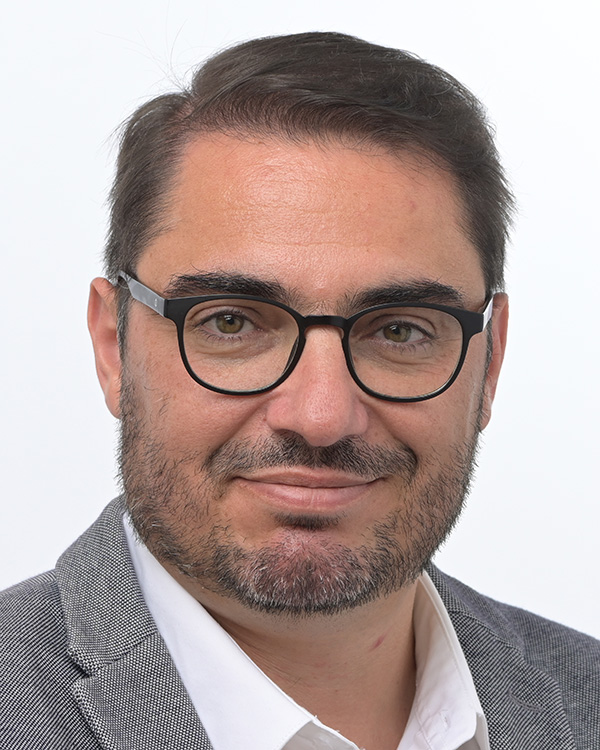
João OLIVEIRA | Portugal PT | The Left in the European Parliament (GUE/NGL) | 148 |
| 5 |
|
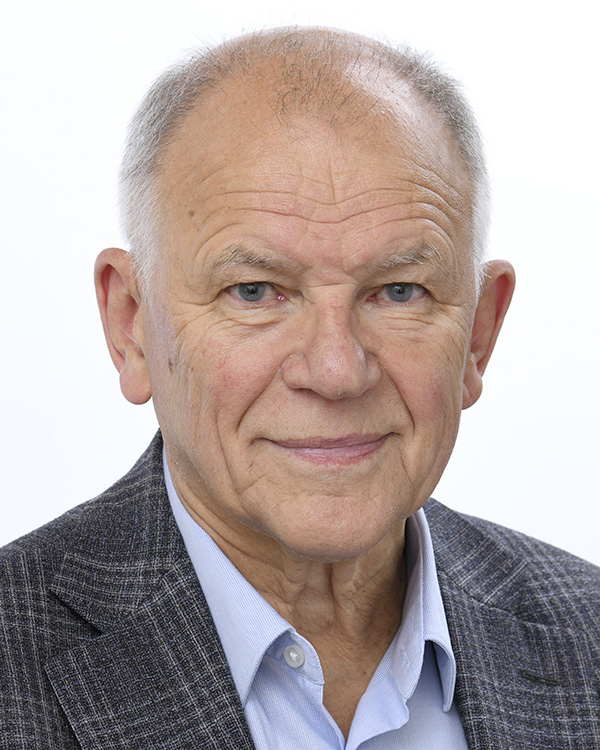
Vytenis Povilas ANDRIUKAITIS | Lithuania LT | Progressive Alliance of Socialists and Democrats (S&D) | 146 |
| 6 |
|
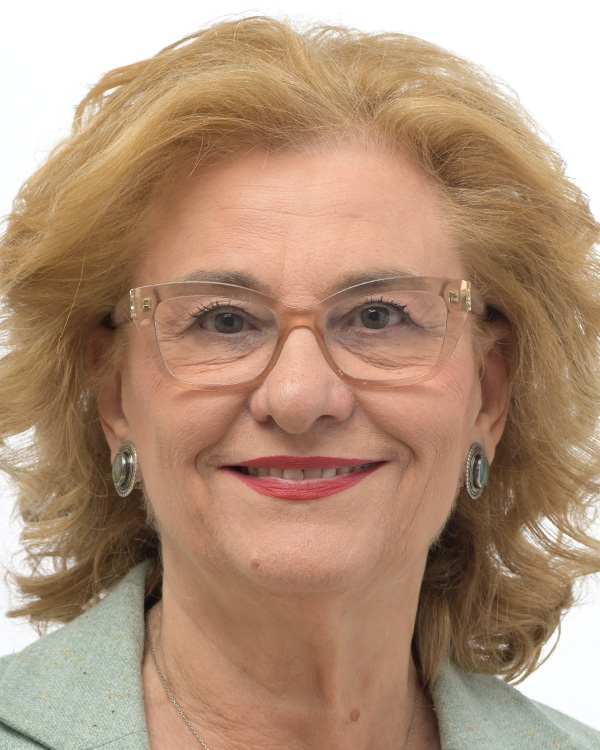
Maria GRAPINI | Romania RO | Progressive Alliance of Socialists and Democrats (S&D) | 121 |
| 7 |
|
Seán KELLY | Ireland IE | European People's Party (EPP) | 92 |
| 8 |
|
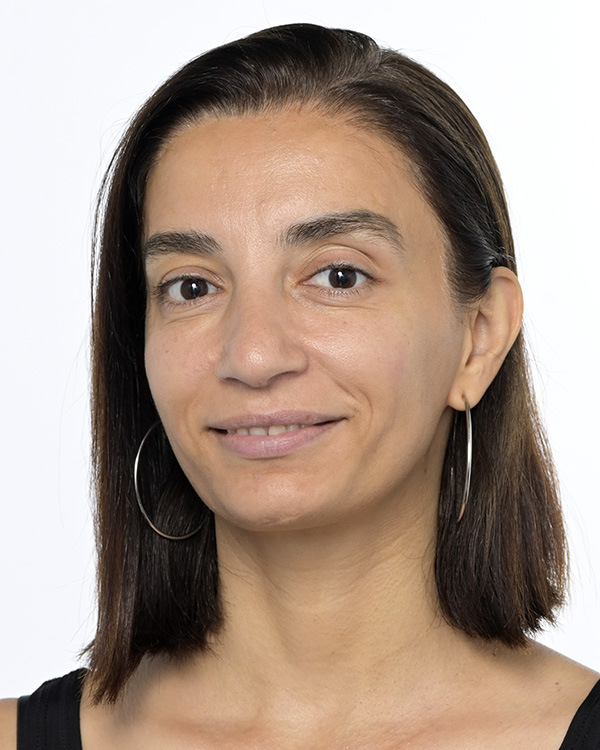
Evin INCIR | Sweden SE | Progressive Alliance of Socialists and Democrats (S&D) | 91 |
| 9 |
|
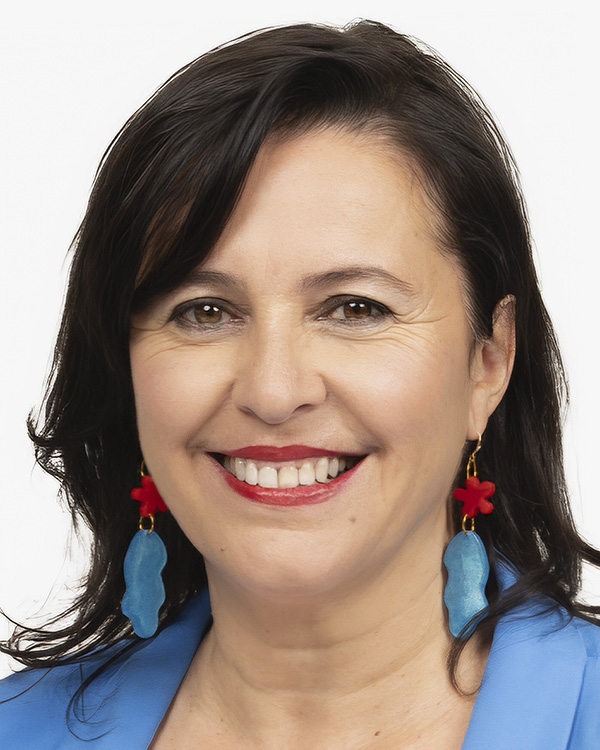
Ana MIRANDA PAZ | Spain ES | Greens/European Free Alliance (Greens/EFA) | 87 |
| 10 |
|
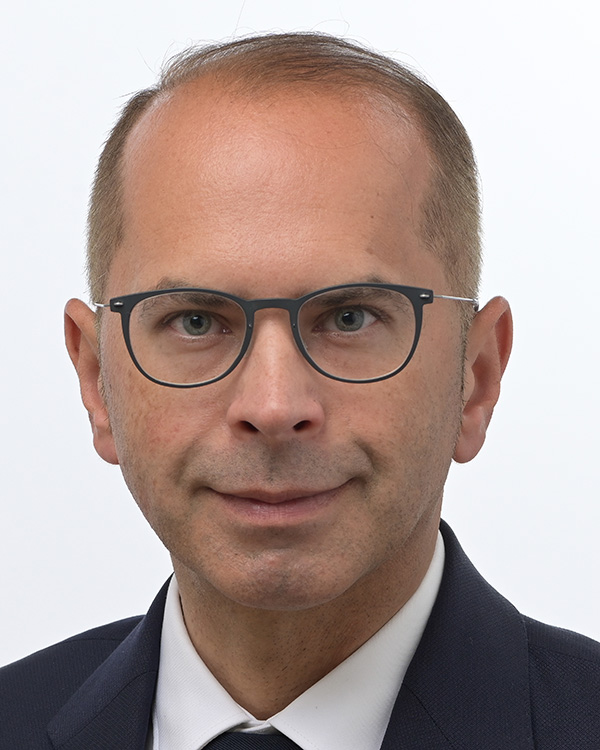
Michał SZCZERBA | Poland PL | European People's Party (EPP) | 79 |
All Contributions (61)
 Closing the EU skills gap: supporting people in the digital and green transitions to ensure inclusive growth and competitiveness in line with the Draghi report (debate)
Date:
24.10.2024 08:24
| Language: MT
Mr President, Europe is suffering from a skills gap in critical sectors. Many workers are not fostered in digital skills and are unprepared to exploit the digitalisation of our works and for the environmental transition of the economy. This failure requires our immediate attention. We have to radically change the way we view the teaching of trades. Otherwise, we risk exacerbating this problem over time. It is crucial to remember that the burden cannot be borne solely by workers. With the necessary help and fair opportunities, workers can adapt and thrive despite the challenges of digital and environmental transition. It is therefore indispensable to ensure the right to paid training and education for all workers. A European directive on workers' right to training would be a crucial step towards achieving this goal. Specific sectors and trades require targeted interventions and personalised training that meets the needs and abilities of each individual. Recruitment strategy, decent working conditions, quality work and wages. Telework, flexible working hours and access to housing, childcare and private health insurance are all incentives that must be part of the new way of looking at skills.
The important role of cities and regions in the EU – for a green, social and prosperous local development (debate)
Date:
23.10.2024 16:58
| Language: MT
Mr President, millions of euros are invested in our cities and regions through the European Social Fund. With these investments we have created thousands of jobs, trained millions of workers, invested in housing and strengthened job creation and even social inclusion. This is evidence of the positive impact and crucial role that the European Social Fund is playing in the development of our society. I am therefore concerned about the Commission's plans to combine European Social Funds with other funds, and to impose more onerous conditions for interested organisations to gain access to these funds. This is a dangerous idea. Instead of improving the current funds available, the plan proposed by the European Commission damages cities and regions, further widening the economic and social imbalance. The proposed plan would create obstacles to enabling cities and regions to obtain social funding for education, training, employment and social inclusion, as well as to fight poverty. We must ensure that the next multi-annual financial framework includes a better and more robust European Social Fund. The European Social Fund is and must remain an important means of strengthening the social dimension of the European Union. The Fund is the main tool to help overcome the consequences of climate change, digitalisation, the cost of living and wage stagnation. This Fund must continue to address the unique specific challenges of each region, be they islands, rural regions, or remote ones.
Seven years from the assassination of Daphne Caruana Galizia: lack of progress in restoring the rule of law in Malta (debate)
Date:
23.10.2024 15:19
| Language: MT
The colleague of the Popular Group has just insinuated that in Malta there is impunity because all those involved in the murder of Daphne Caruana Galizia - the principal and even those who committed the crime - are still running out with impunity and are not facing justice. I'll ask you: you used the word "impunity". Do you know that the commander and all the people who were involved in this murder have been arrested for years and the vast majority of them have already been sentenced for this brutal murder? Prepare a bit before you come here and tell the facts as they are, from twisting the facts in order to please your friends of the Popular and attack where you are not right.
Seven years from the assassination of Daphne Caruana Galizia: lack of progress in restoring the rule of law in Malta (debate)
Date:
23.10.2024 14:56
| Language: MT
Ms President, while I would like to start by greeting the memory of journalist Daphne Caruana Galizia, today I cannot help but comment on the hypocrisy and double standards of this Parliament. While today we are holding the fifteenth debate on the murder of journalist Daphne Caruana Galizia, because for the Popular Group they feel that when they are doing so, as we have seen from a Maltese like us, David Casa, who by attacking the Socialist Government is winning a few political points, this Parliament, this same Parliament is still silent, remains silent and is still deaf in the face of the massacre of one hundred and forty journalists in Gaza and Lebanon over the past year alone. We have not seen any debate. We did not see any discussion. And the message that is being sent by this Parliament is that for us there are first and second class journalists. In the case of Daphne Caruana Galizia, the mastermind and all the criminals behind her brutal murder are all under arrest, and the majority of them are already facing long prison sentences. The Government, as the Commission has also said, has already undertaken successive reforms to strengthen institutions, the rule of law. Reforms, which even the European Commission, today, praised that we are pushing forward. And so I appeal to this Parliament to focus on the real problems of journalists who are facing us around us. One hundred and forty journalists killed...
World Mental Health Day - need for a comprehensive EU strategy on mental health (debate)
Date:
10.10.2024 09:16
| Language: MT
Mr President, today we are celebrating World Mental Health Day. Awareness of mental health, especially in these times in which we live, is more important than ever. The need for prevention, the need for this European Parliament, on a European basis, to have more horizontal legislation in order to break first and foremost the taboo that still exists when it comes to mental health, but also to take action as a European Union so that we can prevent a number of problems that are ultimately predictable. And today I will be focusing, as rapporteur of the European Parliament during the past legislature on the right to disconnect, on the importance of being brave as a Parliament, the new Commission being bolder than we are, ultimately, and pushing forward this right as soon as possible. Why? Because many and many problems that are predictable that we are seeing when it comes to mental health we can solve them in our workplaces, among others. But I would also like to use this opportunity, on this day, today, to appeal to all MEPs to make an effort as all political groups to establish, for the first time officially, the European Parliament Intergroup for Mental Health, so that all together we can be one voice throughout the legislature, more coordinated to combat and prevent many mental health problems.
Preparation of the European Council of 17-18 October 2024 (debate)
Date:
08.10.2024 07:37
| Language: MT
Mr President, Over the past year we have begun an aggressive Israeli war against the Palestinian people in the Gaza Strip. Genocide condemned by the United Nations International Court of Justice. Nearly 42,000 people were killed and killed this year alone. The majority of women and children. More than 97,300 people were injured. The numbers continue to grow with each passing day. The entire population living in Gaza suffers from food shortages, acute hunger, especially among children. After a year of genocide in Gaza, Israel escalated its aggression against Lebanon. It has thus created a threat of regional conflict in the Middle Orient. The war must stop. We want to put an end to the genocide against the Palestinian people in Gaza. We must recognise the so-called Two-State Solution. We must call for an immediate, permanent ceasefire. We must urgently provide access to humanitarian aid in Gaza. Last but not least, to end genocide and aggression we must impose strong political and economic sanctions and suspend the treaty between the European Union and Israel immediately.
EU response to the Mpox outbreak and the need for continuous action (debate)
Date:
18.09.2024 15:38
| Language: MT
Mr President, the last time the world health organisation declared a health emergency was in January 2020, in response to the COVID-19 pandemic. A few months later, the whole world was in lockdown. From the experience of the pandemic we learned about the importance of having systems to detect these pandemics as soon as possible, respond immediately and about the importance of cooperation on a global scale. Thanks to these experiences today we are in a much better position to deal with health emergencies. However, I am afraid that the 77% increase in the number of confirmed Mpox cases since June indicates that we have learned nothing from past mistakes and that we are condemned to repeat them unless we take immediate steps to stop the spread of Mpox. No one is saved until everyone is saved. We are in this challenge together and if we take steps now we can cope with the situation. The European Union should immediately launch a coordinated response on an international scale. Countries need to invest extensive resources in order to contain this outbreak despite our small size. I am proud that Malta was among the first European countries to donate Mpox vaccines to African countries, contributing to global efforts to control the spread of the virus. There is no need to create an alarm. We have everything we need to control this pandemic, but we must give priority to robust systems of surveillance, contact tracing, tests, transmitters, preventions, controls and even exchange of information and research. Preventing this outbreak from escalating to another pandemic is not a task for one country or entity, but for all of us.
Organised crime, a major threat to the internal security of the European Union and European citizens (topical debate)
Date:
18.09.2024 11:19
| Language: MT
Mrs President, organised crime is a serious threat to the internal security of the European Union and to citizens, and it is therefore necessary to devise European countermeasures that are ultimately common. Organised crime, although there are some who try to give a different interpretation even in this parliament, has no borders. According to a report drawn up by Europol, national bodies have identified 821 networks of organised criminals operating within the European Union and threatening our internal security. The situation is therefore extremely alarming. Terrorism is a permanent, Union-wide threat that is directly impacting our fundamental rights. Terrorism can destabilise and destroy entire societies, defuse peace and security and threaten economic and social development. Terrorism is an attack on democracy and the sovereignty of law – a pillar on which respect for our fundamental rights is based. Moreover, the market for illegal drug sales remains the largest market for organised crime – as it easily moves from one place to another, often involving massive violence. Drug trafficking is a challenge for our safety and health, especially for the younger generation. More work is therefore needed to protect our people, especially our women and children, and to safeguard fundamental rights. We want to strengthen cooperation between Member States in the fight against crime. We must strengthen the link between Member States and Europol. Last, but not least Member States must become more effective in sharing information both between themselves and through Europol.
War in the Gaza Strip and the situation in the Middle-East (debate)
Date:
17.09.2024 17:45
| Language: MT
Ms President, this is the first opportunity in this legislature to finally have the opportunity to discuss and analyse the ongoing genocide inside the Gaza Strip. A genocide that has already caused deaths that now number more than forty thousand people killed and ninety-three thousand innocent people injured. I can't even dare or think or imagine the horror that the Palestinian people are going through in this minute. Ankles, refugee camps, people in shelters and bombings in which people are often targeted by civilians. Hospitals and schools bombed up to a few hours ago. And the lack of the most basic services such as sanitation services and even the provision of water and food. Ultimately, they are nothing more than measures that are certainly contrary to the most fundamental principles of international law. And so I ask that this parliament be more vocal in order to ultimately condemn in the strongest, most clear terms, what is going on in the Gaza Strip against an innocent people. I would like to see more discussion in this parliament and condemnation of what Palestinian journalists in the Gaza Strip, for example, are facing. More than a hundred journalists were killed and slaughtered, while in the end he was doing his job. Where's the conviction? Where is our call to protect broadcasters and journalists in war zones? And so I believe that as a European Union, as a European Parliament, we should be more vocal in condemning this genocide, calling it by name, and ultimately continue to call for an immediate ceasefire, without seeing more innocent victims losing their lives.
The future of European competitiveness (debate)
Date:
17.09.2024 13:16
| Language: MT
Competitiveness and innovation are critical elements for keeping the European Union alive and functioning. We have no time to waste. We have a hard pit ahead of us. We want to reduce the economic imbalance between the European Union and continents such as the Americas and China. It is crucial to understand that competitiveness cannot necessarily be achieved at the expense of people, workers or the environment. We can strike a balance where we ensure our livelihoods without sacrificing our values. Survival and values are not mutually exclusive, but both are necessary to achieve successful economic development over years. We have many examples on wisely written European legislation that has contributed to both environmental protection and innovation. The common charger is an example of how we can create a circular economy with more innovation and competitiveness. Deregulation is not the answer to this challenge. We must increasingly focus on sustainable competitiveness and innovation, a change that is crucial to succeed not only in having competitive prices but in securing our future.
Global measures towards social media platforms - Strengthening the role of DSA and protecting democracy and freedom in the online sphere (debate)
Date:
17.09.2024 10:07
| Language: EN
Mr President, social media is by far the most significantly and widely used form of mass media in our modern society. Undoubtedly, social media holds immense potential as a unifying force, fostering communities and bringing people together. Despite this, it is often misused to spread fake news and propaganda, and to manipulate and target people towards a particular way of thinking, which is aimed at destabilising modern democratic processes and societies. We increasingly see malicious motives and dishonest rhetoric from powerful, influential people, using social media's ability to circulate and disperse both information and also disinformation. The recent wave of violent riots in the UK after the spread of misinformation online, and Elon Musk's decision not to comply with Brazilian court orders leading to the blocking of X in the country are other examples of how tech giants are increasingly behaving with impunity before governments and before our courts. It is not the first time that lies and hate spread on digital platforms are sparking and fuelling violence, or changing the course of elections in countries around the world, even in Europe. A recent report commissioned by the S&D Group clearly shows that coordinated disinformation networks flooded X before the EU elections in France, in Germany, in Italy. The scale of disinformation networks shows they could – and did – take over an entire debate, changing its narrative completely by flooding X with posts, reposts, comments and likes. Social media companies need to be held more accountable for spreading disinformation. The Digital Services Act represents the EU's first step in protecting ourselves against the spread of misinformation and preserving our democracies from such influence. However, the effectiveness of the DSA hinges on robust enforcement and a firm commitment from the new Commission. We need assurance that the multi-million euro fines under the DSA will be used to rein in social media companies that break the law and exploit our democracies. Last but not least, it's crucial to acknowledge that we cannot combat the issue in isolation. The S&D Group strongly advocates for the EU to strengthen the global roles of the DSA and heed the UN Secretary-General's call for global measures to safeguard our democracies from the digital chaos that social media platforms have unleashed.