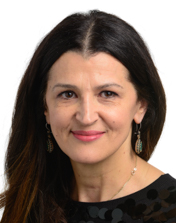
 Debate contributions by Romana JERKOVIĆ
| Rank | Name | Country | Group | Speeches | |
|---|---|---|---|---|---|
| 1 |

|
Lukas SIEPER | Germany DE | Non-attached Members (NI) | 321 |
| 2 |
|
Juan Fernando LÓPEZ AGUILAR | Spain ES | Progressive Alliance of Socialists and Democrats (S&D) | 280 |
| 3 |
|
Sebastian TYNKKYNEN | Finland FI | European Conservatives and Reformists (ECR) | 247 |
| 4 |
|
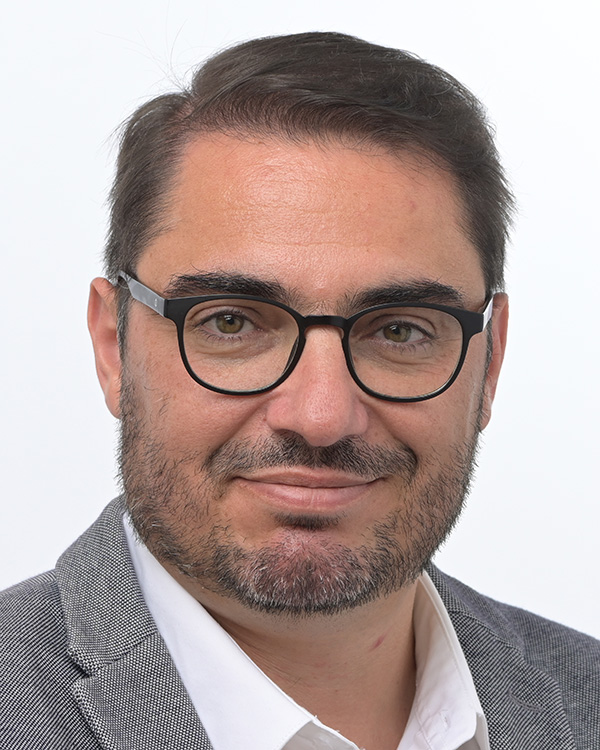
João OLIVEIRA | Portugal PT | The Left in the European Parliament (GUE/NGL) | 195 |
| 5 |
|
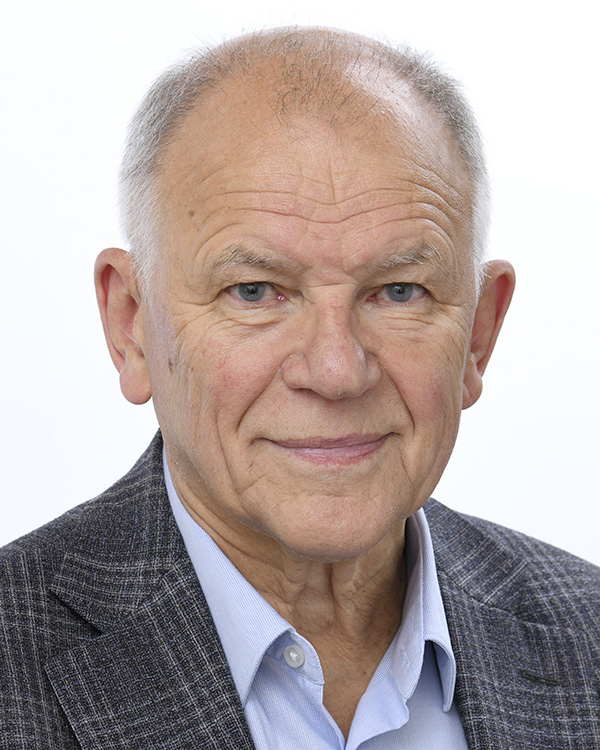
Vytenis Povilas ANDRIUKAITIS | Lithuania LT | Progressive Alliance of Socialists and Democrats (S&D) | 183 |
All Contributions (20)
 Presentation of the EU Cardiovascular Health Plan (debate)
Date:
16.12.2025 16:37
| Language: EN
Madam President, dear colleagues, Commissioner, we were waiting impatiently for this moment, because Europe needs tangible and ambitious solutions that will finally reduce deaths caused by cardiovascular diseases. All it takes is some courage and money. But are we courageous enough to finally get it right, to confront one of the most powerful drivers of poor health in our societies? For decades, powerful industries have shaped our environments, our choices, our behaviours, not in the interest of public health, but in the interest of profit – isn't it so? If we really want to save hearts, then we need to stop hiding behind fragmented legislation and half measures. As Parliament's rapporteur on the cardiovascular disease report, I will be courageous enough. I will use every tool at my disposal and do my best to make sure that our position coming early next year delivers real change, not just good intentions.
EU strategy for the rights of persons with disabilities post-2024 (debate)
Date:
26.11.2025 16:58
| Language: HR
No text available
One-minute speeches on matters of political importance
Date:
12.11.2025 21:30
| Language: HR
Dear Chairman, November 14th marks World Diabetes Day, one of the most widespread chronic diseases of our time. Diabetes affects more than 33 million Europeans and has strong, often persistent complications - from cardiovascular disease to blindness. Despite advances in science, many still do not have access to timely diagnosis, quality therapy and systematic education on prevention. For example, congenital type 1 diabetes is often detected in children only when serious complications occur, and millions of people live with elevated glucose before being diagnosed with type 2 diabetes. How long does it take for diabetes to become a common European priority? It is high time for a comprehensive European diabetes plan that brings together prevention, early diagnosis, innovative treatment and support for patients in all Member States.
Breast cancer: the importance of screening (debate)
Date:
23.10.2025 09:18
| Language: EN
Madam President, more than 90 000 European women lose their lives to breast cancer each year. But why does it have to be like this, if we know that screening save lives? We have failed to reach one of the main goals set by the beating cancer plan, ensuring that 90 % of women have access to screening by 2025. So how do we respond to this failure? By acting. We must step up. We must reach out to the communities in rural areas. We must use the power of telemedicine and guarantee equal quality standards across all Member States. Our work is far from done. This is why I call on you, dear colleagues, to join me in supporting the request to officially recognise 15 October as a Breast Health Day, a day dedicated to prevention, early detection and support for women affected by cancer. It's time to stop talking about goals and to start achieving them.
World Mental Health Day - addressing the socio-economic factors (debate)
Date:
09.10.2025 09:10
| Language: HR
On the occasion of the World Mental Health Day, we are sending an important message. Mental health is a universal human right. Unfortunately, for millions of people, this right is unattainable because they are trapped in poverty, even though they work. How to feel safe when the roof over your head becomes a luxury, not a right one? How not to be anxious when every day is a struggle for basic living conditions? Mental health care is not only a matter for the individual, it is also policies that provide well-paid work, affordable housing and social security. This is why we must acknowledge that the Commission’s 2023 strategy has failed. We need a new comprehensive plan with adequate funding that will put prevention and mental health at the heart of all public policies, from education to housing, from work to social protection, because social security must not be a privilege. This is the foundation of any healthy society.
One-minute speeches on matters of political importance
Date:
05.05.2025 20:04
| Language: HR
No text available
European Action Plan on Rare Diseases (debate)
Date:
03.04.2025 07:23
| Language: EN
Mr President, dear Commissioner, dear colleagues, for 94 % of European patients living with rare diseases, there is still no dedicated treatment available. And that's a fact. But until now, Commissioner, we've seen progress only on paper: just new recommendations, new communications, new platforms. But patients cannot be treated with PowerPoint slides. And we really hope that you can change that. On the other side, however, how can we be sure that the Commission will prioritise rare diseases, when we have seen the EU4Health programme suffer budget cuts? How can we address rare diseases effectively while reducing funding for diagnosis, research and cross-border collaboration? Dear colleagues, we do indeed need concrete and measurable action that is truly European in scale. We need binding targets for diagnosis and treatment access. We need full integration of the European Reference Networks international system, because no Member State can tackle rare diseases alone. No one! Above all, we need sustainable funding and political ambition to drive innovation in medicine. We have, Commissioner, 30 million reasons for that.
One-minute speeches on matters of political importance
Date:
31.03.2025 20:10
| Language: HR
Dear Chairman, we just don't talk enough about some topics. One of these is hyperemesis gravidarum, An extreme version of morning sickness that affects millions of women around the world. This life-threatening condition is characterized by relentless nausea, which often persist throughout pregnancy, uncontrolled vomiting and frequent serious complications. Due to the severity of the condition and lack of adequate treatment, cases of termination of pregnancy and suicide have also been reported. Due to the need for hospitalization and the inability to work, this disease represents a great financial pressure and burden, both for women themselves and for states. Nevertheless, research on this condition is still rare because, as is often the case with women's health, it is not financially profitable. I therefore urge the European Commission to recognise hyperemesis gravidarum as an unmet medical need and provide the means to accelerate the development of innovative treatments. I appeal to the Commission to prioritize women at least once and to finally give women's health the attention it deserves by setting a concrete example.
Silent crisis: the mental health of Europe’s youth (debate)
Date:
12.02.2025 20:08
| Language: HR
Dear Chairman, a silent crisis, whatever we're talking about? This is by no means a silent crisis, this is a crisis that we have ignored and ignored. Yeah, just like that. We have all long been aware of the devastating statistics that say that 14 million adolescents in Europe live with mental illnesses. We have known for a long time that suicide is the second leading cause of death among adolescents and we persistently do almost nothing. In the past mandate, we also received a strategy on mental health. Yes, but today we can say with great certainty that it is literally a dead letter on paper. We don't have money for school professionals, we don't have money for psychologists and pedagogues. In general, we lack financial resources, but you know what we lack most? Political will, both at European and Member State level. And that's why today I stand here at this lectern quite angry because we left young Europeans stranded and let the burden of what we adults served and afforded them solve themselves. Even the fact that we speak at this night watch in an empty hall says it all.
Boosting vocational education and training in times of labour market transitions (debate)
Date:
11.02.2025 13:43
| Language: HR
Dear Chair, colleagues and Commissioners, we are living in a time of great change, at a time when quality vocational education and training is crucial for the labour market and the jobs of the future. Unfortunately, many, especially the long-term unemployed, women returning to the labour market and older workers in need of retraining are excluded from the education system due to financial barriers and inadequate educational programmes that are not aligned with labour market needs. And without access to quality and free education, these groups are doomed to precarious jobs, which often lead to poverty. Today, a huge number of small and medium-sized enterprises are unable to find a workforce with the necessary skills, which is directly linked to the long-standing bad policy that has been pursued. It is time to stop ignoring real problems and start investing seriously in vocational education. A Europe that does not invest in the skills of its workers cannot be competitive and it is not a Europe of the future.
One-minute speeches on matters of political importance
Date:
10.02.2025 21:05
| Language: HR
Dear Chairman, the greatest wealth a country can have is healthy citizens. That is why the Multiannual Financial Framework is much more than just a financial plan and figures. It is an important political document that sends a clear message about our political priorities. It is important that health care issuances are sufficient. So looking back to 2028, we need to make it clear: Health must become, but also remain, a priority. The European Council's decision last year to cut public health spending by as much as 20% is unacceptable. Something like this should not happen in a new financial period. The demographic picture of Europe is changing significantly. Our citizens are getting older and the burden of chronic diseases is increasing. Cancer and cardiovascular disease are responsible for nearly two million lives and cost our economy hundreds of billions of euros a year. Only by proactively acting and investing heavily in prevention can we preserve human health and the resilience of health systems, because every euro invested in prevention returns at least fourteen euros to the health budget. Let's not forget that a healthy Europe is also a strong and resilient Europe.
One-minute speeches on matters of political importance
Date:
20.01.2025 21:09
| Language: HR
Dear Chair, we celebrate cervical cancer prevention week, which kills around 13 000 women every year in the European Union. I wonder why many countries are still unseriously dealing with this problem. Perhaps because it's about women's health, which is still, obviously, a second-rate political issue. Why do many Member States still not have organised national screening programmes? And although Europe's Beating Cancer Plan recommends HPV testing with a papa test, most countries have not implemented it. Why? When we know that the HPV vaccine prevents more than 90% of cancer cases. We also know that it is important to vaccinate boys to break the chain of transmission of the virus. Unfortunately, stigma and disinformation discourage parents from getting vaccinated. We are insufficiently working on prevention, and Member States need concrete assistance and support. I therefore call on the Commission to stop cutting funding for health.
Heat record year 2024 - the need for climate action to fight global warming (debate)
Date:
20.01.2025 19:19
| Language: HR
Dear Chair, colleagues, yes, 2024 was marked by historically high temperatures, but this trend is projected to continue in the years to come. Europe is warming faster than the global average, making it essential that all states signatory to the Paris Agreement fully comply with its provisions. It is not enough for the European Union alone to be at the forefront of introducing rigorous rules. Great powers, such as China and the United States, must also take responsibility and fulfil their obligations. The consequences of warming are also clearly visible in our daily lives. Workers in sectors such as agriculture, construction and tourism are particularly affected. High temperatures seriously threaten their health and reduce their working ability. We are seeing an increase in respiratory and cardiovascular diseases, which puts an additional burden on already overburdened healthcare systems. Our ambitious goals are set out in the European Green Deal. It's time to start implementing them consistently. We must not allow anyone to jeopardize everything we have achieved so far.
One-minute speeches on matters of political importance
Date:
25.11.2024 20:37
| Language: HR
Dear Chairman, pensions from which one can live with dignity are not a privilege, but a fundamental human right. On average, European pensioners receive a pension equal to 58% of their average salary, while in Croatia this share is significantly lower and is only 37%. With 37%, a third of pensioners in Croatia live in poverty and a third are on the verge of poverty. Those who have worked all their lives, contributed to the development of society and the state, spent all their lives for the pension system today do not have to cover the basic needs of life. That's unacceptable. This is why the European Union must help Member States reform their pension systems. We need to set minimum pensions that ensure a decent life and a dignified age, and finally, it is important to establish a monitoring mechanism for Member States in the implementation of this reform.
One-minute speeches on matters of political importance
Date:
13.11.2024 21:13
| Language: HR
Honourable President, poverty and inequality are a serious problem in the European Union. One in five people are at risk of poverty. That's an alarming piece of information. Children and young people, women, people with a low level of education, the unemployed and the elderly are a particularly vulnerable group. We're talking about millions of people struggling to survive every day. They're not just numbers. Fighting poverty means an adequate wage and pension that makes a decent living, means access to social services such as health insurance and housing, and means access to quality education and vocational training. One of the tools in this fight is the European Social Fund Plus, which provides financial support to Member States. Therefore, we should not think about abolishing it or merging it with other funds, but we should further develop and use it. It is time for concrete and coordinated action at European and national level.
World Mental Health Day - need for a comprehensive EU strategy on mental health (debate)
Date:
10.10.2024 09:45
| Language: HR
Dear President, we live in a time of great economic uncertainty, fear of wars, climate change, social isolation. Therefore, it is not surprising that mental health disorders have become a serious social problem. Depression is one of the leading causes of disability. The European Mental Health Strategy was a step forward, but could have been more ambitious. Adequate funding and binding measures were lacking. We continue to see huge disparities and inequalities between Member States. For some, it's still a taboo subject. Some are examples of good practice. We still don't have enough child psychologists in schools. I welcome the updated tools to monitor progress in the implementation of 20 key initiatives. But that alone, I'm sure, will not force states to do more about mental health. Mental health should be recognized as a basic human need, just like physical health, which we face today. What we are facing is a serious European problem and should be addressed accordingly.
Ensuring sustainable, decent and affordable housing in Europe - encouraging investment, private property and public housing programmes (debate)
Date:
09.10.2024 14:09
| Language: HR
Dear Chair, Mr Commissioner, millions of citizens across Europe are living under pressure from high house prices, high rents and utilities. Many live in debt slavery, while banks make enormous profits. This is not a challenge that our citizens should face on their own. And it is absurd that today young people have drastically fewer opportunities when it comes to housing than their grandparents, fathers and mothers had. That's not fair, is it? Housing as a fundamental human right must not depend on one's earnings, on market and speculative movements. It's not enough to just talk about it anymore. Politics must take responsibility for safe, dignified and affordable housing for all. The Charter of Social Rights states that the state has a duty to protect citizens from poverty and social exclusion. It is important that the European Union helps them in this, and it can do so with knowledge, finances and by incorporating affordable housing, as one of the fundamental human rights, into European legislation. And I wonder, what are we waiting for?